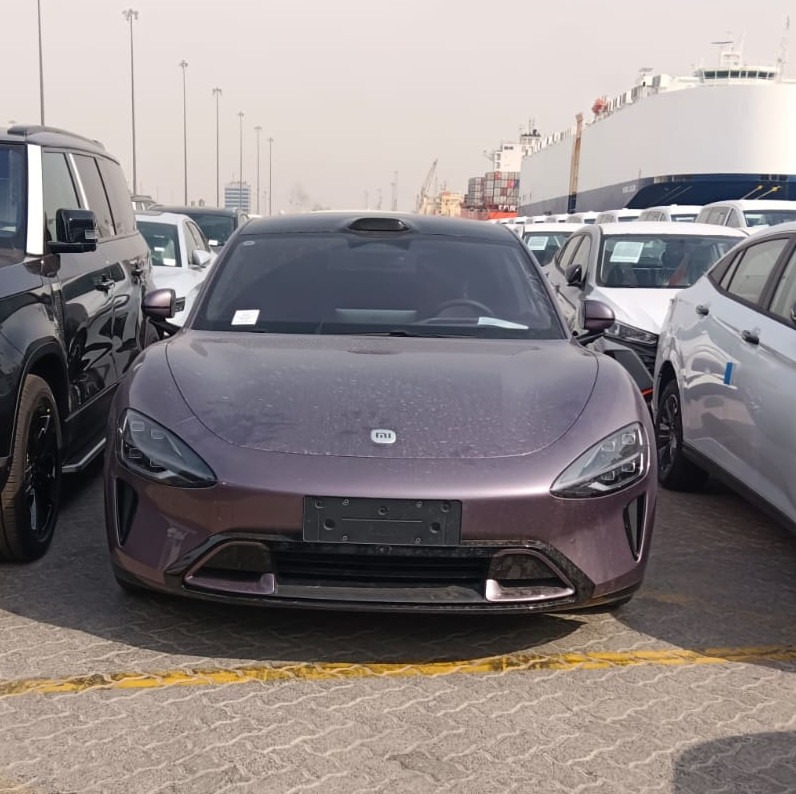
How to Get Your Car Customs Cleared from Dubai Customs
Dubai-customs-clearance-of-cars-from Jebelali
Understanding the car import process in Dubai can seem daunting, especially for expatriates or importers new to the region. From understanding regulations to ensuring all paperwork is in order, the customs clearance process is pivotal in bringing your car into Dubai legally and smoothly. This guide provides a comprehensive breakdown of how to get your car customs cleared from Dubai Customs efficiently, ensuring compliance while saving time and minimizing costs.
Understanding Dubai Customs
Dubai Customs plays a critical role in regulating the import and export of goods, including vehicles, into Dubai. Their primary responsibilities include:
Ensuring goods comply with UAE regulations.
Calculating and collecting taxes and fees.
Monitoring trade activity to support the economy and prevent illegal imports.
Adherence to Dubai Customs regulations is essential for import of cars. Non-compliance can result in penalties, delays, or even confiscation of the vehicle. It’s crucial to familiarize yourself with the process and requirements before initiating the import.
Customs Clearance Options
Dubai offers several clearance points for car imports:
Jebel Ali Port Customs Clearance: Ideal for vehicles shipped via sea routes.
Dubai Airport Customs Clearance (DXB and DWC): Suitable for cars arriving by air freight.
Preparing for Car Customs Clearance
Being prepared is critical to a hassle-free experience with customs. Here’s what you’ll need to ensure everything is in order:
Documents Required for Customs Clearance
Before starting the clearance process, gather the following documents:
Original Bill of Lading (B/L) or Airway Bill (AWB)
Purchase invoice or Auction Invoice or self declared invoice
Copy of passport and UAE visa
Emirates ID
Customs Import Code (mandatory for businesses)
Tips for a Smooth Process
Double-check all forms and documents for accuracy.
Obtain translated documents if they are not in English or Arabic.
Ensure your car's specifications meet UAE road safety and environmental standards.
Preparing everything in advance reduces delays and ensures smoother interaction with Dubai Customs officials.
The Dubai Customs Clearance Process
Once you have all your documents, follow these steps to clear your car through Dubai Customs:
Step 1: Contact a reputable customs broker in Dubai
General public and one time importers may not have full access beyond the Jebelali port gate or may not have access to the clearance related digital infrastructure. A skilled customs broker ensures smooth import processes by handling documentation, compliance with UAE customs laws, and facilitating efficient clearance of goods. With extensive knowledge of local regulations and international trade standards, they help minimize delays, reduce costs, and mitigate risks associated with customs-related issues. By choosing a trusted and experienced customs broker, businesses can focus on their core operations while leaving the intricacies of customs procedures to the experts.
Step 2: Submit Required Documentation
Provide all necessary documents to the customs broker in Dubai. Ensure the documents are clear, accurate, and meet all requirements.
The standard customs duty for vehicles in Dubai is 5% of the car's valuation as determined by Dubai Customs. Federal Tax Authority charges additional tax of 5% as VAT. Additionally, there would be shipping liner related charges, port related charges, Ministry of foreign affairs (EDAS2.0) charges, Inspections related charges, recovery transport charges and the broker fee.
The vehicle will be inspected at its point of entry (e.g., Jebel Ali Port or Dubai Airport Customs) to verify compliance with UAE standards.
Step 5: Release and Registration
Once dubai customs duties, taxes and brokers invoice's are paid, the vehicle passes inspection, the customs broker proceed with customs clearance. Obtain a vehicle clearance certificate (VCC) and register your vehicle with the Roads and Transport Authority (RTA) to legally drive it in Dubai.
Common Challenges and How to Overcome Them
Incomplete documentation: Double-check the requirements list and seek professional help if needed.
Valuation discrepancies: Ensure that all invoices and proof of ownership are accurate to avoid disputes.
Understanding Customs Fees and Taxes
The cost of clearing a vehicle through Dubai Customs depends on several factors:
Customs Duty:
5% of the car’s value as determined by customs.
VAT (Value Added Tax):
5% of the total cost, including customs duty and shipping charges.
Other Fees:
Port handling fees and inspection charges may apply.
Tips for Minimizing Costs
Choose reliable shipping companies.
Consider vehicles with specifications that already meet UAE regulations to avoid modification costs.
Understanding the breakdown of these charges can help you budget effectively.
Best Practices for a Smooth Clearance Process
Whether you’re an experienced importer or clearing your car for the first time, these tips can help streamline your customs clearance:
Working with a licensed and reputable customs clearance agent simplifies the process. They can:
Handle documentation and submissions.
Resolve any disputes or delays.
Provide insights to minimize costs and streamline logistics.
Agents specializing in Jebel Ali Port Customs Clearance or Dubai Airport Customs Clearance will have specific expertise to expedite the process.
Avoid Common Mistakes
Ensure you’ve paid any outstanding charges associated with the freight and dubai clearance.
Confirm that the vehicle is not banned or restricted in the UAE.
Clarify the rules on importing vehicles older than a specific manufacture year.
Stay Updated on Dubai Customs Regulations
Customs policies can change. Regularly check with your Dubai Customs broker for updated guidelines.
Why Proper Customs Clearance Matters
Successful car customs clearance ensures compliance, avoids delays, and protects your investment. A well-executed process allows you to focus on enjoying your car rather than navigating bureaucratic challenges.
If you’re planning on importing a vehicle through Dubai Customs and need expert assistance, share your experience or connect with a reliable agent to make the process as seamless as possible.
Interlink Freight Agency Customs Broker Dubai International Airport, Cargo Mega Terminal, Cargo Village Dubai, United Arab Emirates https://interlinkgulf.com/ Email: info@interlinkgulf.com Call: +971557910800
Top Customs Broker Dubai: Services for Your Business Needs
Key Highlights
Navigating Dubai's customs procedures is crucial for any business involved in global trade, and a customs broker simplifies this complex process.
A professional customs brokerage firm like Interlink provides a wide range of services, from handling intricate documentation to ensuring compliance with all local regulations.
Working with a dedicated team ensures efficient customs clearance, preventing costly delays and penalties that can disrupt your supply chain.
The right broker acts as a vital partner, managing interactions with customs authorities and ensuring your goods move smoothly across borders.
Key services include calculating customs duties, managing import/export paperwork, and coordinating inspections for a hassle-free experience.
Choosing an experienced broker is essential for leveraging Dubai's position as a premier trade hub and achieving your business objectives.
Introduction
Dubai has firmly established itself as a global hub for international trade, thanks to its strategic location, modern ports, and world-class infrastructure. Businesses worldwide leverage these advantages for their import and export operations. However, navigating the customs clearance process can be a significant challenge, especially for those unfamiliar with the local landscape. The procedures involve detailed documentation, adherence to strict regulations, and coordination with various customs authorities. An error or oversight can lead to frustrating delays and unexpected costs. This is where a professional customs broker like Interlink becomes an indispensable asset, ensuring your goods cross borders smoothly and efficiently, allowing you to focus on your core business activities.
Understanding the Role of a Customs Broker in Dubai
What exactly is a customs broker, and why are they so vital in the United Arab Emirates? A customs broker is a licensed professional or firm that acts on behalf of importers and exporters to facilitate the clearance of goods through customs. They are experts in the complex field of customs laws and regulations, ensuring every shipment complies with the necessary legal requirements.
By engaging in customs brokerage services, you entrust a specialist with the responsibility of managing the entire clearance procedure. These brokers serve as the critical link between your business and the customs authorities. Their primary goal is to make the process of moving goods across international borders as seamless and efficient as possible, preventing potential issues before they arise. This expertise is fundamental for any business looking to thrive in Dubai’s competitive trade environment.
Key Responsibilities and Services Provided
A top customs broker in Dubai handles a multitude of tasks essential for a smooth supply chain. Their role goes far beyond simple paperwork; they are your representative in all dealings with customs. A qualified customs clearance agent manages every step of the customs process, from initial document preparation to the final release of your shipment. Their expertise ensures that all customs duties are calculated correctly and paid on time, avoiding costly penalties.
What does a broker like Interlink in Dubai do? Their responsibilities are comprehensive and designed to streamline your logistics. They oversee the entire transaction to ensure compliance and efficiency. This includes:
Preparing and submitting all necessary documentation, such as the bill of lading and commercial invoices.
Representing the client during customs inspections and assessments.
Calculating and processing the payment of customs duties, taxes, and other fees.
Coordinating with port authorities and shipping lines to obtain delivery orders and gate passes.
Ultimately, a customs broker’s job is to ensure your goods move through customs without unnecessary friction. They troubleshoot any issues that may arise, such as documentation discrepancies or inspection requirements, allowing for a predictable and reliable customs process. This professional oversight is crucial for maintaining momentum in your business operations and getting your products to their destination on schedule.
Importance for International Trade and Logistics
In the fast-paced world of global trade, efficiency and compliance are paramount. A customs broker is essential for any business operating in the Middle East, particularly in a major hub like Dubai. They ensure that all customs procedures are followed correctly, helping you avoid the significant risks associated with non-compliance, such as fines, shipment seizures, and long delays. By keeping up-to-date with ever-changing regulations, they protect your business from potential pitfalls.
The process for importing goods through Dubai customs involves several critical steps that a broker manages on your behalf. It begins with the submission of a detailed customs declaration along with supporting documents. The goods are then subject to assessment by customs authorities to verify their value and classification. Depending on the nature of the goods, an inspection may be required. Once all duties and taxes are paid and approvals are secured, the goods are released for delivery. A broker streamlines this entire workflow, from liaising with officials to arranging final transport.
Without a knowledgeable broker, navigating these steps can be a logistical nightmare. They act as a recognized economic operator, lending credibility to your transactions and fostering a smoother relationship with customs authorities. Their expertise not only accelerates the clearance process but also optimizes your supply chain, making them an indispensable partner for anyone serious about international trade and logistics in the region.
Choosing the Right Customs Broker for Your Business
Selecting the right customs clearance broker is a critical decision that can significantly impact your business's efficiency and bottom line. The ideal partner will do more than just file paperwork; they will act as a strategic advisor, helping you navigate complex compliance requirements and optimize your logistics. A reliable broker ensures that documents like the commercial invoice are accurate and submitted correctly, preventing hold-ups at the border.
When evaluating potential brokers, it's important to look beyond just the service charges. Consider their experience, reputation, and the scope of services they offer. A mismatch can lead to delays, unexpected fees, and compliance issues that disrupt your operations. Taking the time to find a trustworthy and competent customs broker like Interlink is an investment that pays dividends through smoother transactions and peace of mind.
Qualities of a Reliable Customs Brokerage Firm
How do I choose a reliable customs broker in Dubai? The key is to look for a firm that demonstrates a combination of expertise, professionalism, and client-focused service. A dependable customs brokerage firm is built on a foundation of deep knowledge of customs laws and a commitment to keeping your shipments moving. They should be proactive in their communication and transparent in their operations.
A top-tier broker will have a dedicated team assigned to your account, ensuring you have a consistent point of contact who understands your specific business needs. This fosters a strong working relationship and allows for quick resolution of any issues. Look for a company that maintains professional relationships with customs officials, as this can often facilitate a smoother clearance process. The following qualities are indicators of a reliable provider:
A proven track record of success with businesses similar to yours.
A dedicated team that maintains regular contact and provides clear updates.
Transparency in pricing with no hidden fees.
A wide range of services covering all aspects of import and export.
Experience in handling various types of goods, including specialized or regulated items.
Ultimately, a reliable partner like Interlink Freight Agency will function as an extension of your own team. They take ownership of the customs process, allowing you to focus on growing your business with the confidence that your logistics are in expert hands.
Questions to Ask When Selecting a Provider
When you are ready to engage a customs broker, asking the right questions is crucial to finding the perfect fit for your needs. This initial discussion will help you gauge their expertise, understand their processes, and ensure they can handle the specific requirements of your shipments. A transparent and knowledgeable broker will be able to answer your questions clearly and confidently.
Be sure to inquire about their experience with your specific business type and the types of goods you handle. Different products have unique compliance requirements, and a broker who specializes in your industry can provide invaluable insights. For example, are there specific regulations I should know about customs in Dubai for electronics versus food products? A good broker can advise you on such nuances. Here are some essential questions to ask:
What is your experience with clearing our specific types of goods?
Can you provide a full breakdown of your fees and any potential additional charges?
How do you handle communication and updates during the clearance process?
What is your process for resolving issues or delays with customs?
Do you have experience with our business type and the required business code?
The answers to these questions will reveal a lot about the provider’s capabilities and customer service approach. A well-structured service centre and a clear understanding of your needs are signs of a professional organization. Taking the time for this due diligence helps ensure you partner with a broker who can truly support your business goals.
Essential Customs Clearance Services Offered in Dubai
A reputable customs clearance company like Interlink in Dubai offers a comprehensive suite of services designed to ensure the seamless movement of goods to and from worldwide destinations. These services are the backbone of efficient customs clearance, removing the burden of complex logistical and regulatory tasks from your shoulders. A professional custom clearance agent manages every detail, from initial documentation to final delivery.
Their role is to act as your single point of contact for all customs-related matters. This includes liaising with government agencies, calculating duties, and ensuring every shipment meets all legal requirements. By handling these critical functions, they help you avoid delays, reduce costs, and maintain a smooth and predictable supply chain, no matter where your goods are headed.
Import and Export Documentation Handling
One of the most critical services provided by a customs broker is the meticulous handling of import and export documentation. The accuracy and completeness of this paperwork are non-negotiable for successful customs clearance. Any error on a commercial invoice or bill of lading can lead to significant delays, inspections, and even fines. A professional broker ensures that every document is prepared and submitted according to the strict standards of Dubai Customs.
What documents are needed for customs clearance in Dubai? While requirements can vary based on the goods and country of origin, a standard shipment typically requires a core set of papers. Your customs broker will help assemble and verify these documents to ensure they are in perfect order before the shipment arrives. This proactive approach is key to a smooth clearance process.
The essential documents generally include:
Commercial Invoice: Details the transaction between the seller and buyer, including the value of the goods.
Packing List: Provides an itemized list of the shipment's contents, including weights and dimensions.
Certificate of Origin: Certifies the country where the goods were manufactured.
Bill of Lading (for sea freight) or Air Waybill (for air freight): The contract between the cargo owner and the carrier.
Your broker will also manage other necessary paperwork, such as obtaining the correct haulier code for transportation and securing any special permits or certificates required for regulated products.
Duty Payments, Tariffs, and Regulatory Compliance
Managing duty payments and ensuring regulatory compliance are core functions of a customs brokerage service. Correctly calculating customs duties and tariffs is essential to avoid overpayment or underpayment, both of which can cause financial and logistical problems. A broker's expertise ensures that your goods are classified under the correct tariff codes, applying the appropriate duty rates and identifying any potential exemptions. This helps in managing costs effectively.
The cost of customs brokerage services in Dubai can vary based on the complexity and volume of shipments, but the investment prevents much larger costs associated with non-compliance. In the UAE, customs duties are generally based on the CIF (Cost, Insurance, and Freight) value of the goods. While most items fall under a standard rate, certain products are subject to higher tariffs.
Here is a general overview of customs duty rates in the UAE:
Product Category
Customs Duty Rate
Most Goods
5%
Alcohol
50%
Carbonated & Sweetened Drinks
50%
E-smoking Devices & Liquids
100%
Tobacco Products
100%
A skilled brokerage team navigates these tariffs for you, manages all duty payments, and ensures complete regulatory compliance. They can also assist with arrangements like a bank guarantee if required for certain types of import activities, ensuring every financial and legal aspect of the clearance process is handled professionally.
Frequently Asked Questions (FAQ)
Navigating customs can be complex, leading to numerous inquiries regarding processes and services. A customs broker typically assists businesses in understanding customs duties, compliance requirements, and the necessary documentation such as a commercial invoice or certificate of origin. Engaging a customs clearance agent can significantly enhance your efficiency in handling customs procedures, particularly in high-traffic areas like Jebel Ali Port. For specific concerns about service charges or types of goods you plan to import or export, consider reaching out to a dedicated team for tailored guidance.
What documents are required for customs clearance in Dubai?
To complete the customs clearance process in Dubai, you will typically need a set of original documents. These include the commercial invoice, which details the value of your goods, and a comprehensive packing list. A certificate of origin is also required to verify the manufacturing country. For transportation, you will need the bill of lading for sea shipments or an air waybill for air freight. Your customs broker will ensure all these documents are correctly prepared and submitted to the authorities for a smooth clearance.
How long does customs clearance take in Dubai?
The time for customs clearance in Dubai is generally efficient, provided all documentation is in order. For air freight, clearance can often be completed within 1-2 business days. Sea freight may take slightly longer, typically 2-3 business days. However, the exact duration can be influenced by factors such as the type of goods, the need for inspection by customs officials, and the responsiveness of all parties. Hiring an experienced customs clearance agent helps expedite these customs procedures and minimize potential delays.
Can customs brokers in Dubai assist with both imports and exports?
Yes, absolutely. Professional customs brokers in Dubai are equipped to handle both import and export shipments. They have a thorough understanding of the distinct customs process for each. For imports, they manage all incoming documentation and clearance procedures. For exports, they prepare the necessary paperwork and ensure compliance with the destination country's regulations. Their expertise in customs laws covers the full spectrum of trade, making them a valuable partner for managing both import documentation and export processes seamlessly.
Conclusion
In conclusion, enlisting the services of a top customs broker in Dubai can significantly streamline your business operations. By understanding the complexities of customs regulations and logistics, these professionals ensure that your imports and exports are handled efficiently, minimizing delays and compliance issues. With their expertise, you can navigate the intricate landscape of international trade with confidence. Whether you are a small business or a large corporation, having a reliable broker on your side can lead to enhanced operational efficiency and cost savings. If you're ready to elevate your business with expert customs brokerage services, don't hesitate to reach out for personalized assistance.
Benefits of Hiring a Customs Broker in Dubai
Hiring a professional customs broker in Dubai offers numerous benefits that directly impact your supply chain and bottom line. One of the primary advantages is risk mitigation. Common challenges during custom clearance include incorrect documentation, improper goods classification, and unexpected inspections, all of which can lead to costly delays and penalties. A customs broker's expertise ensures that these pitfalls are avoided, as they meticulously manage all paperwork and ensure full compliance with regulations governing Jebel Ali port, free zone areas, and airports. This saves you valuable time and money.
Furthermore, a broker enhances the overall efficiency of your operations in global trade. They streamline the entire clearance process, from handling paperwork to coordinating with freight forwarders and authorities. This allows for faster transit times, whether your goods arrive via air freight or sea. By optimizing your customs procedures, a broker helps you maintain a lean and agile supply chain. This professional support provides peace of mind, allowing you to focus on your core business activities while your customs broker ensures your goods move seamlessly across borders.
Frequently Asked Questions
What services do top customs brokers in Dubai typically offer to businesses?
Top customs brokers in Dubai provide a comprehensive range of services to ensure efficient customs clearance. This customs brokerage support includes preparing and submitting all required import/export documentation, calculating and paying duties, and liaising directly with customs authorities. They also offer expert advice on compliance, tariff classification, and regulations specific to your facility type. Ultimately, their goal is to manage the entire clearance process on your behalf, preventing delays and ensuring your goods move smoothly across borders.
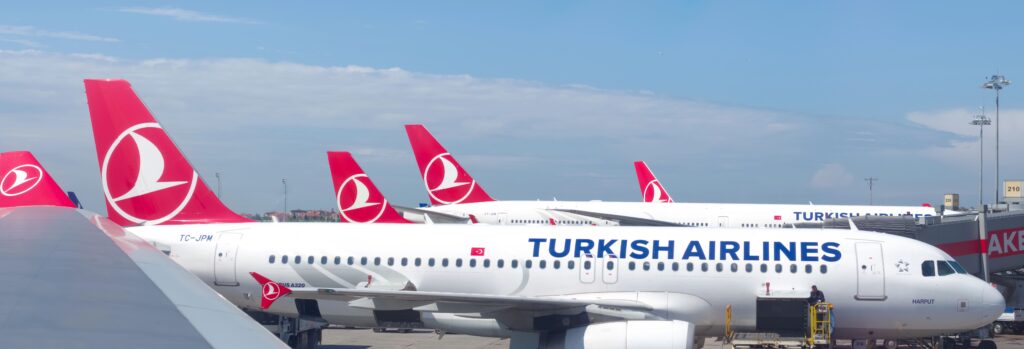
Importing from Turkey to Dubai: Customs Clearance Made Easy
Key Highlights
Customs clearance is a crucial procedure to facilitate the legal import of goods through Dubai Customs.
Essential documentation, including commercial invoices and certificates of origin, ensures compliance with UAE customs regulations.
Importers benefit from Dubai's strategic position as a global hub with advanced systems like the Dubai Trade Portal.
Proper handling of the supply chain and accurate submission of customs documents are vital to avoid delays and penalties.
Working with a trusted partner, such as a seasoned freight forwarder or customs broker, can streamline the entire process.
Introduction
Moving goods between Turkey and Dubai in international trade can be simple if you know about the customs clearance process. It is important for importers to learn about all the legal requirements. This helps them to handle things well and keeps their work in line with the law. The customs clearance process is a big part of the supply chain, as it can affect ways of shipping and the whole of logistics.
For the process to work well, you must have all your documentation right. This usually means having things like commercial invoices and certificates of origin. Doing this helps make sure your goods move without trouble.
This guide is made to help you with customs clearance. It covers what you need for a good clearance process. If you want the customs process to be easy when shipping to Dubai, using the tips here can help. With the right information on customs clearance, documentation, and supply chain, your shipping and logistics from Turkey to Dubai can go smoother. Interlink Freight can manage your imports with maximum efficiency.
Overview of Importing from Turkey to Dubai
Dubai is a global hub for trade, bringing in many importers who want to reach the markets of the United Arab Emirates and GCC countries. It is a top spot for Turkish goods, like machinery, pharmaceuticals, and beverages. These products come in through shipping methods such as air freight and sea freight. To make importation smooth, you need accurate documentation, solid logistics, and a trusted partner who knows the customs regulations well. When you understand these things, your shipping and trade operations in Dubai and the Emirates can be much more efficient.
Key Trade Relations Between Turkey and Dubai
There are important ties between Turkey and Dubai. This has made a strong trade environment, brought on by shared economic interests and how close the two are. Many Turkish goods, like machinery and pharmaceuticals, are sold in Dubai’s busy economy. Dubai is known as a global hub, and this helps Turkey send more exports. This setup encourages both sides to work together more.
There are also bilateral agreements. Plus, more Turkish businesses can now be found in the UAE. These things help goods move smoothly between Turkey and the UAE. They show why it is good to keep a strong trade relationship in the region.
Popular Goods Imported from Turkey to Dubai
A wide range of Turkish goods boosts the market in Dubai. This makes Dubai a busy place for international trade. Many popular items brought in are textiles, machinery, and electronics. These match up well with the needs of the local economy. The UAE also wants food products, like beverages and processed foods. This shows the strong cultural connections in the open market.
Importers often count on reliable shipping services. This helps them get Turkish goods delivered on time and without problems. The customs clearance process is important. Importers use smooth clearance so these high-quality products reach Dubai with ease. This keeps the flow of Turkish goods and machinery steady in the UAE.
Understanding Dubai’s Customs Clearance Process
Getting customs clearance in Dubai can be simple if you know the local regulations and customs rules. Dubai customs is very important in international trade. They make sure that every shipment follows UAE customs regulations, which helps goods move safely into the country. To smooth out the clearance process, many people use customs brokers or freight forwarders. They help you with all the documentation you need, such as the commercial invoice and packing list.
Having accurate documentation is key for clearing your shipment. When your paperwork, like the invoice and packing list, is correct, you avoid problems or discrepancies that can cause delays. Following customs regulations is not just about rules—it also helps the entire process be faster and smoother. Doing this will make sure your imports get to their final destination in Dubai or the UAE on time and without trouble.
Efficient customs operations are key to success when it comes to international trade in Dubai. The customs authorities in Dubai help goods move easily across borders. They make sure that all goods follow local regulations while encouraging trade between many countries, including Turkey. Dubai customs handle important clearance steps that help the supply chain work better. This helps Dubai become a real global hub for business.
The teamwork between customs brokers and shipping services helps in handling all the needed documentation. This support cuts down on wait times and helps Turkish goods reach their final destination fast. You can trust Dubai customs and shipping to get Turkish goods where they need to be, on time and without trouble.
Step-by-Step Guide to Clearing Customs in Dubai
Getting through the customs clearance process in Dubai means following each step carefully. First, you need to get the main customs documents ready. These include the commercial invoice, packing list, and bill of lading. Give these and any needed certificates of origin to Dubai customs. Check that all your information is correct, so you do not have problems with discrepancies.
When the customs declaration is finished, get ready in case customs authorities want to look at your goods. Before your goods go to their final destination, make sure you pay any duties and taxes that apply. Taking this organized path makes the customs clearance process easier and helps your importation go well.
Required Documents for Importing Goods
Essential documentation is needed to keep the customs clearance process in Dubai moving without any problems. The main documents are the commercial invoice and the packing list. These papers show detailed information, like what is in the shipment, how much it is worth, and its weight. The bill of lading gives proof of shipment. Also, certificates of origin prove where the goods come from. Having accurate documentation helps you follow Dubai customs regulations. It can stop delays and fix any problems or discrepancies that might come up during clearance for Turkish goods or other shipments. In Dubai, clear and correct paperwork is important for an easy clearance process.
Commercial Invoice, Packing List, and Bill of Lading
The customs clearance process needs some key papers for everything to go well. The commercial invoice, packing list, and bill of lading each have a different job, but all work together. The commercial invoice lists the details about the deal and the shipment value. The packing list gives an inventory of the goods, showing the number of things and how they are packed. The bill of lading is like a contract between the shipper and the carrier. It shows that the goods have been given to the carrier for shipment. If the documentation is not right, or if there are any discrepancies, it can cause customs clearance delays or even penalties. This can hurt the supply chain and make the clearance slow. So, all paperwork must be done right and checked well before you send out any shipment.
Certificates of Origin and Import Permits
Certificates of origin are important for customs clearance. They show that the goods are made in Turkey. Import permits come from Dubai’s customs authorities. These are needed to follow the UAE’s rules. It is good to have all of this documentation ready. This way, the importation process is easier. You also get faster approvals.
Making sure every detail is right on your documents cuts down problems and delays. It makes the entire process go better. If you use a customs broker, they can help you with the legal requirements. A broker also improves the efficiency of your shipping and clearance. This support helps you avoid discrepancies during the customs clearance process in Dubai and the UAE.
Duties, Taxes, and Fees for Imports
To manage your supply chain well when importing goods from Turkey to Dubai, you need to understand duties, taxes, and fees. Dubai customs checks the shipment value and the type of goods you bring in. They figure this out by using HS codes. You also need to pay VAT on imported items, but some needed goods may not have this tax. Be sure to follow UAE customs regulations and use accurate documentation. This will help you with the clearance process by making shipment clearance faster and keeping extra costs down.
How Import Duties Are Calculated in Dubai
Import duties in Dubai are mostly worked out by looking at the shipment value. This value is made up of the cost of the goods, the insurance, and any freight charges. The customs authorities use special numbers called Harmonized System (HS) codes. These codes help them decide which goods get which duty rates. Most of the time, the duty rates are from 0% to 5% for many types of items. But, some luxury goods can have much higher tariffs.
It is very important to have accurate documentation ready, such as the commercial invoice and the bill of lading, for the clearance process. These papers help customs look at your shipment and smoothly work out the duties you need to pay.
VAT on Imported Goods and Exemptions
Value Added Tax (VAT) is added to most goods that come into Dubai. This shows the emirate wants to bring its economy up to date. The VAT rate is usually five percent. However, the rate can change depending on the type of goods and how they will be used. Some things, like pharmaceuticals or medical supplies, do not have this tax. This is to help public health in the UAE and Dubai.
If you want to get these tax exemptions, you need to have accurate documentation with every shipment. This must include a commercial invoice and a certificate of origin. These papers help you follow uae customs regulations and make sure you meet all customs regulations. You should always check what documentation and invoice is needed based on the type of goods you want to bring in.
Common Challenges and Solutions in Customs Clearance
Documentation mistakes often slow down the customs clearance process. It is important to have the right paperwork for this, like a commercial invoice and packing list, to make the entire process easier. When you work with a trusted partner such as a customs broker or a freight forwarder, you get help to deal with local regulations. If you also know about the usual restrictions and what goods are not allowed, you can stop extra checks and save time. By paying attention to clear paperwork and following the rules, people importing Turkish goods can cut down on problems and help get clearance for turkish freight into Dubai quickly.
Avoiding Delays Due to Documentation Errors
Making sure that you have accurate documentation is important if you want to avoid delays during the customs clearance process. Many times, small errors in customs documents, like in the commercial invoice or packing list, can cause the whole clearance to stop. It's a good idea for importers to work closely with the customs authorities or a skilled customs broker. This helps make sure that all paperwork matches the UAE customs regulations. When businesses keep their customs documents correct and fix any possible problems right away, they make the importation process easier. This also means there is less chance of issues in their supply chain.
Dealing with Inspections, Restrictions, and Prohibited Goods
Getting through inspections, restrictions, and shipments with banned items is often not easy when you handle the customs clearance process. Dubai customs is strict about rules and has detailed checks to make sure shipments follow the law. If you want a smooth clearance process in Dubai, you need to know about what goods are not allowed and make sure you follow the customs regulations at every step. If you do not, you can face delays or fines. Using a skilled customs broker can help here. A customs broker makes sure your paperwork fits the legal requirements, so you avoid mistakes or issues with your documentation during inspections. This can lead to an easier customs clearance process with fewer discrepancies.
Conclusion
Navigating the customs clearance process for bringing goods from Turkey to Dubai can be easy if you have the right knowledge and are well prepared. It is important to know what documents you need, understand duties, and follow the important regulations for customs clearance. Keeping your documentation accurate is key in this process. Working with customs brokers or freight forwarders can also help a lot, as they know how to handle every step of clearance and logistics. When you get these parts right, you make the most out of the trade connections between Turkey and Dubai. This way, you benefit from what this global hub can offer for your business.
Frequently Asked Questions
What is the typical timeline for customs clearance in Dubai?
The usual time for customs clearance in Dubai is one to three days. The time it takes can be shorter or longer. The accuracy of your documentation, the type of goods you have, and inspections all play a big role in this. If there are any mistakes or issues with these, it can delay the clearance process. So, it is good to make sure all your paperwork is correct to help things go smoothly in Dubai.
Are there any goods from Turkey that are restricted or prohibited in Dubai?
Some goods that come from Turkey to Dubai have rules or may not be allowed. These include things like items made from protected animals, drugs, and fake products. Also, some types of electronics may need to meet local regulations in Dubai. It is important to check the latest customs guidelines before you import anything, so you can be sure you follow the rules.
Can I benefit from duty exemptions when importing to Dubai?
Yes, you may get duty exemptions when you import certain goods to Dubai. This is true for some products or when there are special trade agreements. It is important to check if you meet the rules and follow all local regulations. Doing this can help you save money on import duties in Dubai.
What are the penalties for incorrect customs declarations?
Incorrect customs declarations can bring big problems. You may face large fines, shipment delays, and even legal trouble. If these mistakes happen more than once, officials may start to watch your future shipments more closely. They may even take away your import license. This can hurt your trade with others in the long run.
Is it necessary to hire a customs broker for importing into Dubai?
Hiring a customs broker for importing goods into Dubai is not something you must do, but it can make things much easier. A customs broker knows all about the local regulations and the way things work at the port. They take care of the paperwork and talk to customs for you. This can help save time and lower the chance of mistakes during clearance. Using a customs broker in Dubai can help your goods get in without trouble.
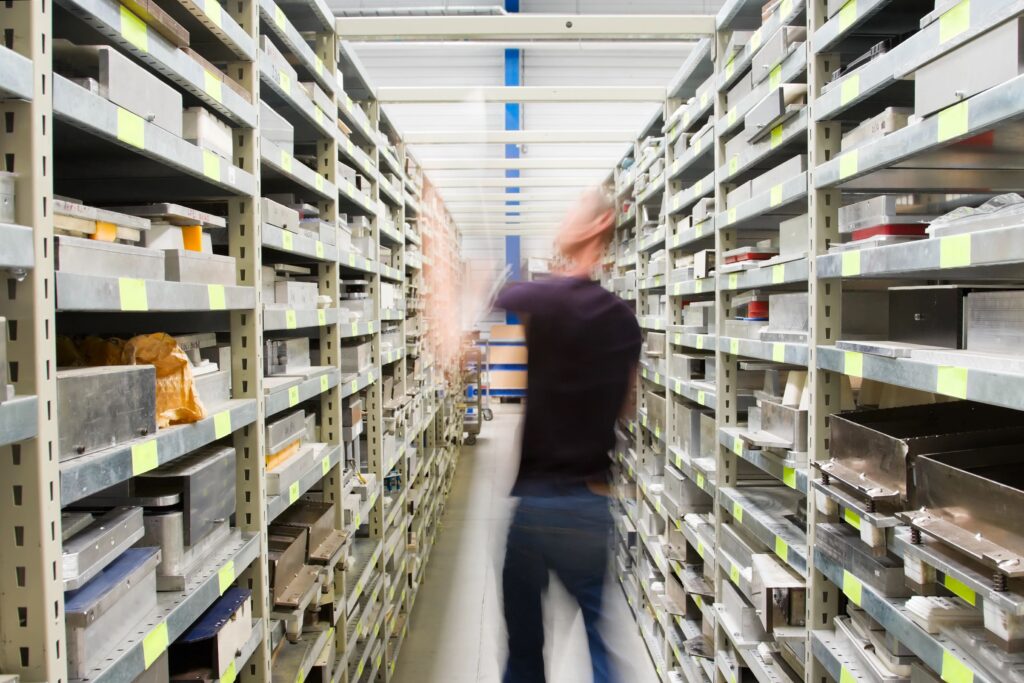
Guide to Customs Clearance of Industrial Spare Parts in Dubai
Key Highlights
Dubai Customs plays an essential role in facilitating international trade while ensuring compliance with regulatory requirements for importing industrial spare parts.
Comprehensive documentation, including certificates of origin, bills of lading, and packing lists, is crucial for a seamless customs clearance process.
Machinery and auto spare parts require proper classification under HS codes alongside accurate valuation methods, like the transaction value method.
Additional payment of customs duties, VAT, and adherence to trade agreements impact the total import cost.
Expert guidance from freight forwarders and customs brokers can reduce delays, ensuring peace of mind during the import process.
Introduction
Dubai stands out as a key place for international trade. This is because of its good location and its strong and advanced infrastructure. If you want things to go well when you import machinery and spare parts, you need to handle dubai customs and customs clearance the right way. It is important for anyone bringing in spare parts through dubai, especially using jebel ali port, to understand how the clearance process works.
This guide will walk you through the main steps you need for customs clearance. It will explain the rules, what documents you must have, and what to do to follow the right steps. By learning about the rules for bringing spare parts into the uae, you can make your business run better, follow all uw trade laws, and stop any hold-ups before they start.
Jebel Ali Port, built in Dubai, is a key spot for global logistics. The port is known for handling a big amount of spare parts for different industries. Its infrastructure helps businesses bring in these goods in an easy and fast way.
When it comes to customs clearance in Dubai, there are steps you must follow for the legal entry of spare parts. You need to declare your shipments with Dubai Customs, pay any needed duties and VAT, go through inspections, and meet regulatory requirements. If you follow the customs clearance process in the right way, your business can make things work smoother. This saves time and helps you stay in line with UAE rules.
The Role of Customs in International Trade
Customs authorities are at the heart of global trade. They help make sure goods move across borders the right way. In Dubai, customs officials work hard to follow all UAE and international rules. They help importers and exporters get their goods through borders more smoothly.
Customs officials in Dubai have two main jobs. They make sure everyone follows trade rules, and they work to keep the country safe. This includes checking shipments closely. They also manage tariffs and see to it that trade agreements are followed. They check each shipment to make sure goods meet UAE safety and quality rules.
Dubai, in the Emirates, depends on its customs authorities to keep trade clear and fair. They help the area’s economy grow. When traders work with customs, they better understand what to do, even when rules are not simple. This helps Dubai grow into a leading logistics hub in the Emirates.
Why Industrial Spare Parts Require Special Clearance
Industrial spare parts are not the same as general goods because they need to meet specific regulatory requirements. The rules over them are strict, and this makes the process more complex. Items like auto parts or parts for machinery must go through close inspection. Their documentation has to match up with the standards of Dubai Customs.
Some spare parts need technical certifications or special approvals, based on the kind and use of the part. For instance, if the part is for business activities that are important, such as certain machinery spare parts, it will be checked very closely. Safety checks might be required before these items get clearance. These extra steps are there so that all rules are followed.
Also, bringing spare parts into the country has a big impact on how a business runs. If there are delays or the parts get marked wrong, it can stop the whole supply chain. This is why importers need to know about the different customs requirements in dubai. Knowing these rules makes it much easier and faster to bring spare parts into the uae.
Key Regulations and Authorities Governing Customs Clearance
Customs clearance in Dubai is led by Dubai Customs. This group checks every import and export to make sure rules are met and that all work is done right. Importers in Dubai must follow the UAE Customs Law. They need to pay attention to tariff classification, how things are valued, and the paperwork that comes with it.
The Chamber of Commerce helps by checking key documentation. This includes certificates of origin and permissions to trade. When importers use Dubai Trade, they can make operations smoother. It helps them meet customs authorities' rules and finish customs clearance the right way. This keeps importers in line with regulatory requirements and improves accuracy with paperwork and certificates in the UAE.
Dubai Customs is the main body handling shipments that come in or go out of the UAE. They watch over the clearance process, check that all rules are followed, and collect any duties or VAT on imported spare parts.
The team at Dubai Customs checks customs papers, looks over goods closely, and gives the okay for items to enter or leave Dubai. Customs officials and importers work together to register shipments the right way. This helps them meet UAE trade rules.
Dubai Customs also works to keep the borders of Dubai safe and make trade easier for people. They want the process to be open and clear. If businesses listen to the rules that Dubai Customs sets, it can help them bring in machinery and spare parts in a smooth way.
Essential Laws and Compliance Requirements
To bring goods into Dubai through Dubai Customs, you must follow specific regulations like the UAE Customs Law and other trade agreements. Importers need to get the necessary approvals, send certificates of origin, and pay attention to tariff codes.
There are technical standards in place to make sure machinery is safe. The law also needs the right documentation for smooth customs clearance. Importers have to make sure invoices are correct, give the proper details about their goods, and keep up with changing rules.
If you do not follow these customs clearance rules and Dubai Customs guidelines, you may face fines or have your goods taken away. Knowing what steps to take for compliance helps make your business run well and makes customs clearance easier.
Classification and Valuation of Industrial Spare Parts
Proper classification of spare parts under HS codes is very important when you want to find out the customs duty rates. Each spare part must have the right description. This helps you match what is needed for dubai customs clearance.
The value of goods is set using methods that dubai customs accepts, like the transaction value method. This often looks at invoices and shipping details. Importers should get all their paperwork ready. The paperwork must show the country of origin and have clear details. Good communication with customs officials is important too. When you get the classification and valuation right, you can get faster https://clutch.co/profile/interlink-freight-agency-customs-broker. This way, you also save money and avoid extra costs.
How Spare Parts Are Classified Under HS Codes
HS codes, known as Harmonized System codes, are numbers used by customs authorities all over the world. They help classify goods for things like customs clearance. Spare parts, like auto parts or machinery, get their own HS codes based on what they are and which country they come from.
In Dubai, Dubai customs want you to list things in detail. If you bring in auto parts or any machinery, you must clearly say what they are. This helps find out the right duty rates. If you pick the wrong code, it could cause delays, extra costs, or fines.
When you use the right HS codes, importers follow the needed trade agreements and customs clearance rules. Working with customs brokers can help you avoid mistakes in the Dubai customs clearance procedure. This lowers the chances of mix-ups during Dubai customs clearance for spare parts, machinery, or auto parts coming from another country of origin.
Methods for Determining Value for Customs Purposes
Value determination in customs clearance is essential for calculating duties and VAT. Dubai Customs uses structured methods, including the transaction value method, deductive value method, and computed value method.
Method
Description
Example
Transaction Value Method
Based on the price paid or payable for spare parts. Includes adjustments for freight and insurance.
Total invoice cost + freight.
Deductive Value Method
Applies deductions from subsequent sale prices in the UAE market.
Sale price minus trade costs.
Computed Value Method
Computation using production costs, overheads, and profit margins.
Manufacturing cost + packaging.
Dubai Customs officials validate these calculations using invoices, shipment details, and supporting paperwork. Accuracy in valuation methods secures smooth customs clearance processes.
Step-by-Step Process of Customs Clearance
The customs clearance process is made up of a few clear steps in Dubai. First, importers need to get important papers ready. These include the certificate of origin, packing list, and bill of lading.
Then, it is important to work with freight forwarders. This helps to make sure the shipment declaration gets sent to Dubai Trade the right way. After that, customs officials will check everything and carry out inspections. They also calculate duties and VAT before they decide if you get clearance approval.
Every step needs careful planning and you must follow the Dubai customs clearance procedure. This will help importers to avoid delays or penalties during the Dubai customs clearance process.
Documentation Requirements and Preparation
Accurate documentation is important for customs compliance in Dubai. Importers have to show these main papers:
Certificate of Origin: Proves which country makes the goods.
Packing List: Shows the weight, size, and what is in the package.
Bill of Lading: Proves the shipment went out.
Invoices: Gives details about the items and their total cost.
All these documents must be signed and stamped. They need to match the shipping details without errors. If there are differences, it can bring penalties or hold up clearance. Many businesses work with freight forwarders or customs brokers to help them with paperwork and keep things correct with UAE rules. This makes sure their shipment moves smoothly and meets all the documentation needs in Dubai.
Submission and Verification Procedures
When you send your documents to Dubai Customs, you need to use online platforms like Dubai Trade. This helps make the process simple and quick. Customs officials go through every document to check if it is correct before your goods can move forward.
They look at invoices closely. They also check cargo lists and make sure that all rules have been followed. If there are mistakes when you send in your documents, you could face delays or get more questions about your shipment.
Importers can get peace of mind and a faster check from Dubai Customs when they use expert guidance. Customs brokers are people who know how the system works. They make sure everything to do with your documents meets Dubai Customs clearance rules. This means your shipment can get approved faster and you will not have to worry as much.
Duties, Taxes, and Fees for Spare Parts Importation
Importing spare parts into Dubai means you have to pay customs duties. These are worked out using the CIF value, which is the cost, insurance, and freight added together. You also pay VAT on the full landed cost.
Tariffs are usually 5% of what the item is worth. VAT in Dubai adds another 5%, unless you have exemptions. There can be extra charges like handling fees too. To make sure you do not pay extra money, it is good for importers to know how customs duties and trade agreements work. This helps people bring in spare parts in a more cost-effective way.
Calculation of Customs Duties and VAT
Customs duties are calculated as 5% of the total CIF (Cost, Insurance, and Freight) value. VAT is then applied at 5% on the landed cost, including duties and extra charges.
For spare parts, this calculation ensures accurate financial planning during import:
Category
Calculation Components
Total Cost Example
CIF Cost
Freight + Insurance + Item Value
AED 100,000
Duty
CIF Cost × 5%
AED 5,000
VAT
(CIF + Duty) × 5%
AED 5,250
Total Cost
CIF + Duty + VAT
AED 110,250
Importers must provide accurate invoices and insurance documentation to validate their CIF costs with customs officials.
Payment Methods and Exemptions
Dubai Customs lets you pay duty using different ways. You can use online transfers or bank methods. Importers must keep clear records of every AED payment they make.
Some exemptions are possible. These may depend on trade agreements or the type of items. For example, spare parts for public transit vehicles in Dubai can have lower rates.
If you talk to customs brokers, your business can find out about exemptions for your goods. This can help you while you pay and make sure you follow all the Dubai customs rules.
Inspection and Compliance Checks
Compliance checks help make sure that goods brought into the UAE follow the country’s safety rules. Customs inspection procedures in Dubai check the quantity, condition, and quality of machinery and spare parts.
Certain spare parts go through extra steps like technical testing, physical handling checks, and documentation reviews. When you work with customs officials and keep things clear, this speeds up the process. It also helps you avoid any risks of not meeting the rules.
Physical Inspection Procedures
Machinery and spare parts checks involve a hands-on process. Here, customs authorities take time to look over each shipment. They count all the items, check given serial numbers, and make sure that the machinery meets all regulatory requirements.
At times, customs officials can ask for technical tools to do more tests on some spare parts. Problems can happen if people do not pack shipments the right way, and this can cause delays. It is key for every business to pack all components so they are safe, and to label them in a clear way.
Being honest with customs officials and getting ready for checks in advance help with smooth spare parts clearance. This makes it easier when getting machinery parts into a country.
Dealing with Non-Compliance or Discrepancies
Non-compliance is often because of mistakes in documentation or calling items the wrong thing. This can lead to penalties or Dubai Customs rejecting the shipment.
To fix these issues, you have to explain things clearly. You need to give the right paperwork and work with customs brokers to sort out any problems. If you can show proof that you follow the rules quickly, you can cut down on bad results.
Importers in Dubai should keep good records and get expert guidance. This helps them get through tough situations with Dubai Customs in a clear and fast way.
Common Challenges and Solutions in Clearing Industrial Spare Parts
Getting customs clearance for industrial spare parts is often tough. You might face delays or run into problems with paperwork. Items can even be put in the wrong category. All this can slow down logistics and may lead to arguments.
To move past these problems, you need good planning. Make sure your documentation is right and complete. It's also smart to work with customs brokers who know their job well. Taking steps early on can help avoid fines. This gives you peace of mind while handling every step of the clearance process.
Handling Delays and Disputes
Delays in customs clearance often happen when the right paperwork is not there. Sometimes, incorrect declarations can also cause problems. If there are differences in HS codes or the value of the shipment, this can bring up disputes with Dubai Customs.
Careful planning and working with customs brokers can help businesses fix these issues early. When you correct problems at once and use Dubai Trade platforms, you make it faster and easier to solve the issue. This also helps you meet the rules for customs clearance in Dubai.
Talking openly with customs authorities is important. It makes it easier to handle disputes and stops more delays from happening with your shipment or paperwork.
Tips for Smooth and Efficient Customs Clearance
Boost efficiency during customs clearance with good preparation and planning:
Work with skilled freight forwarders and customs brokers. This way, you get to know Dubai Customs clearance steps in a simple way.
Make sure all your documentation is correct and complete. You need packing lists, certificates of origin, bills of lading, and invoices for smooth clearance.
Use Dubai Trade’s online systems to help speed up the process.
Keep clear and open talks with customs officials. Be sure you give all details about the goods.
Stay updated on rules so you do not face delays or penalties during import.
By doing these things, you can make the Dubai customs clearance process smooth. Your business will have fewer problems and get goods into Dubai with less trouble.
Conclusion
Understanding the customs clearance process for industrial spare parts in Dubai can be hard. But if you know the main things, it can get much easier. You need to focus on the right documentation. It is also important to know about duties and taxes. If you want the customs clearance to go well, you have to be informed.
You should learn about how Dubai Customs works. It helps to know about compliance and what is required. This way, you can avoid many issues. Using the strategies talked about here will help. Always remember, being prepared and knowing the customs clearance process will make things smoother.
If you want help made just for you, feel free to ask for expert guidance. This can make the process in Dubai better for you and your spare parts.
Frequently Asked Questions
What documents are needed for customs clearance of spare parts in Dubai?
Importers have to give the certificate of origin, packing list, bill of lading, and invoices to Dubai Customs for clearance. These papers must be signed and stamped. You need to make sure all the details in these documents are right. This helps avoid any problems when there is an inspection and also makes sure you meet the rules set by Dubai Customs.
How long does the customs clearance process usually take?
Most of the time, customs clearance in Dubai is quick. If you follow every step and have all needed documents, you can finish the process in just a few hours or by the end of the day. This includes inspections, letting in the items, and getting every paper approved. But, if even one piece of paperwork is missing or the shipment has a problem, there can be delays in the clearance.
Are there any items that require special permits or approvals?
Some items, such as spare parts for machines that can affect safety, need special approval or certificates. Dubai Customs and the Chamber of Commerce may ask for these permits. It depends on what type of spare parts you are bringing into Dubai and how they will be used.
What are the penalties for incorrect documentation or misdeclaration?
Not following the rules of Dubai Customs can lead to big problems. There can be fines on you. Your shipment may be delayed or even taken away. If the value or type of an item is not right, you might have to pay a fine. When you get expert help, it is easier to have your documentation done right. This makes sure everything for your Dubai shipment goes well.
Can a customs broker assist with the clearance process in Dubai?
Yes, customs brokers give expert guidance and peace of mind. They take care of all the documentation. They also work with customs officials to help you get through the Dubai Customs clearance process. If there are any checks or problems with verification, they handle those, too. This makes the customs clearance process in Dubai much smoother for importers.
Customs Broker in Dubai Several companies commence their business domestically, but once you witness a tremendous trade flow, you might think of extending to global trade. With the rise in e-commerce stores and huge retail platforms, it has become convenient to spread products beyond the nation. Here is when a Customs Broker in Dubai comes into the picture. In this blog, we’ll get a comprehensive overview of what is a customer broker, why we need custom broker for our business in Dubai, and more.
Who is a Custom Broker?
A customs broker in Dubai is a professional who delivers proficient assistance in organizing the customs clearance procedure for your global trades. The primary domain of a customs clearance broker is submitting all the paperwork and guaranteeing that the business obeys all of the laws and compliances of cross-border commerce. A custom agent can be a private individual, corporation, or entity.
Why Every Business Needs a Reliable Customs Broker
There is no need to hire Customs Broker in Dubai , but if you choose to manage all the paperwork yourself, you need to be well-informed about the rules and regulations. You’ll also be responsible for making sure all the details you present are valid.
Hiring a customs clearance broker has many advantages, including:
Knowledge of customs processes
Ensuring smooth clearance of cargo
Providing accurate shipping estimates
Offering effective freight solutions
Saving time by managing complicated customs tasks
Key Responsibilities of a Customs Broker
The best custom broker in Dubai is responsible for carrying out all the legal requirements that a business complies with while exporting or importing goods.
Goods Classification: Customs brokers play a key role in classifying goods. This classification is important because it decides the customs duties, taxes, and regulations that apply to each item. Brokers have a thorough understanding of these codes and keep up with any updates to ensure accurate classification.
Compliance Support: Customs brokers guide clients on the legal requirements for their goods and help them avoid compliance issues.
Valuation Help: Customs brokers assist clients in determining the correct customs value of their goods, considering aspects like packaging costs and royalties.
How to Select the Best Customs Broker for Your Needs?
Here are some of the considerations that need to be made while choosing a custom broker Dubai:
Regulatory Knowledge: Your broker needs to know about import laws, trade agreements, and tariffs. They should be familiar with fees, duty rates, and quarantine rules that apply to your products.
Shipping Methods Knowledge: Different shipping options, like air freight, ocean cargo, rail, and trucking, have their own rules. A good Customs broker in Dubai understands these methods and can suggest the best one for your needs.
Experience with Specialized Products: If you’re dealing with unique products or operate in a heavily regulated field, it’s best to choose a broker who has experience with similar shipments.
Cost Awareness: A reliable Customs Broker in Dubai will inform you about potential risks and any extra fees that might come up, such as those from customs inspections.
Customer Support: Your broker should be easy to reach for questions and keep you updated on your shipment’s status. Good communication can ease your concerns and ensure everything is on track.
Interlink: Your Trusted Customs Broker in Dubai
Selecting the most appropriate custom broker in Dubai is a vital step towards successful global trade. Interlink, being the best customs broker in Dubai helps to simplify the overall process, minimize costs, and guarantee that your trade complies with all the necessary regulations and laws. Interlink offers exceptional help to businesses to dodge all the complications of global trade.