Future Outlook on Customs Clearance of AI Robots and Machinery

Key Highlights


Introduction

Artificial intelligence is changing the way people work in many industries. This includes the area of international trade and customs clearance. The use of artificial intelligence is making work faster and helping people avoid human error. Because of this, jobs are getting done better and on time. Many governments and businesses now see how artificial intelligence can help change customs clearance. They use these systems to solve problems with rules and speed. By using artificial intelligence tools, predictive analytics, and things like the Internet of Things (IoT), customs clearance is now better. These changes help meet the new needs of international trade and make sure everyone follows the rules.

Overview of AI Robots and Machinery in International Trade

The rise of artificial intelligence brings a new time in international trade. Now, we see robots and advanced machines in, ready to fix slowdowns in the supply chain and help with things that block the way. AI-driven machinery speeds up the work. It does smart sorting and helps with planning the best routes. This way, it cuts down on shipment delays and problems at work.

AI solutions help people make better choices within the supply chain. These tools let logistics companies guess how much demand there will be, and help them keep the right amount of stock. They bring changes to warehouse work, help customs clearance happen faster, and also take care of work before something goes wrong with machines by using predictive maintenance. Because of all this, global trade facilitation gets a strong help.

Defining AI Robots and Advanced Machinery

AI robots and advanced machinery are systems that use artificial intelligence and machine learning to do work people used to do by hand. You can see these systems in things like drones that move goods and robots that use machine vision to scan containers. These machines help with many tasks, such as demand forecasting and looking at the supply chain.

The real power of these machines comes from their AI models. These models help the machines use and understand big sets of data to find things people can act on. For example, neural networks help look at detailed pictures for customs operations. They scan cargo fast and spot anything that is unusual.

Machine learning helps these AI systems get better over time. The more historical data they learn from, the more they can adjust and work better with new changes. Whether it is goods classification or stopping illegal actions, AI robots and advanced machinery make it easier to get things done when moving lots of goods. Using these machines helps people save time and makes sure they follow all rules as goods cross borders around the world.

Growth of AI-Driven Imports and Exports

The integration of AI into imports and exports is changing international trade. It helps logistics companies be more agile in the way they work. With predictive analytics, businesses can better forecast demand. This lets them handle changes and meet supply chain needs across the world.

AI-driven imports and exports give supply chain visibility that is hard to get any other way. Machine learning looks at real-time tracking data. This makes sure logistics companies get one clear picture of all their operations. Being this open about the process helps people spot risks, manage inventory better, and improve delivery routes at every step.

New features, like generative AI, help organizations know what demand will look like in the future. This cuts down on mistakes in supply chain planning. When you reach this kind of accuracy, you lower the chance of being understocked, and you make better use of your resources. In the end, the integration of AI creates significant benefits for import and export jobs.

Current Customs Clearance Procedures in Dubai, UAE

Dubai is leading the way when it comes to changing how customs clearance works. The city puts focus on regulatory compliance and the use of advanced technology. At the heart of these changes is AI, which helps make the whole process work better and faster for everyone. Because of this, customs in Dubai take less time and run more smoothly.

These new customs operations now use AI-powered systems for checking documents and machine vision to look at shipments. There are also tools in place to support trade facilitation. This means Dubai Customs can run compliance checks and see real-time analysis. With these changes, the city sets the bar high for others. In fact, its customs clearance work stands out next to places like the United States and the United States Customs system.

Standard Documentation and Regulatory Requirements

Documentation is at the heart of customs clearance. It includes things like import declarations and certificates of origin. All of these papers need to meet the high standards set by regulatory compliance bodies. AI systems now make these customs clearance processes easier by pulling out data automatically.

Trade facilitation rules in many places now focus on smooth digital workflows. Tools that use NLP help businesses cut down on human error when reviewing documents. AI-powered tools also make it quicker to put documents in the right category and check if they follow the rules. They help lower risks that come from bad information or mistakes with entries.

Some important new technologies are filling the gap between trade facilitation and better operational efficiency. Different platforms are getting better by adding automated audits and web-based tools for regulatory compliance. This reduces paperwork slowdowns. It also helps keep every transaction more accurate.

Key Authorities and Their Roles in Customs Clearance

Many groups work together to help with customs clearance around the world. Agencies like Dubai Customs and United States Customs use AI to spot risks and make the customs clearance process faster and easier. These authorities join hands to blend trade facilitation with border protection. When they do this together, they help to bring new ideas and ways of working.

The World Customs Organization sets the rules for using customs AI. These rules help customs in different countries be more accurate and fair. By using these guidelines, countries can work in a way that fits well with each other when using new capabilities across borders.

Authority Function
Dubai Customs Works on customs automation, machine learning, and predictive analytics to boost local compliance.
United States Customs Uses AI-based cargo risk assessment and natural language processing tools to make trade go smoothly.
World Customs Organization Builds frameworks like SMART border plans to bring customs systems up to date.

Challenges in Importing and Exporting AI Robots

The use of AI robots in international trade comes with many challenges. Governments have a hard time putting AI robots into the right technical group. They do not know what HS code to use for them. This makes it slow when it is time to import or export.

There are also growing worries about data privacy. AI systems often have important details about how things work. This can make it easier for hackers to cause security threats.

It is important to have new ways to help with risk management. We need these ideas to follow the rules and protect us as new AI technologies keep getting better in international trade.

Technical Complexity and Classification Issues

It can be tough to sort out where AI robots fit in, especially since they have many features. People who work in international trade often find it hard to put this AI-driven equipment in the right HS code group. This can cause problems with trade compliance.

Machine vision is a new technology that is used in AI robots, and it makes classifying robots even harder. This tool helps robots process images and make choices on their own. There needs to be new systems for this, both to deal with possible security threats and to keep things running smooth when shipping things.

Making sure there is an international standard for HS code classification helps keep things the same everywhere. If trade authorities look at what AI can do, they can speed up how they move goods between countries and avoid any human error when putting things in the right group during the process. This can help make international trade run well for everyone.

Concerns Around Data Security and Privacy

AI systems that handle sensitive data are now under more watch. This is because of worries around data privacy and cyber threats. Tools like autonomous vehicles or cargo screening robots deal with lots of different kinds of data. This kind of data can be open to cyber-attacks if the right protection is not in place.

Risk assessment is key for these systems. Using strong AI security rules helps keep out threats and protect the data in the system. Governments check these systems often to find any problems as soon as possible. These audits help stop data breaks and keep companies in line with the rules. They also urge companies to use AI that can handle tough times and bounce back from problems.

To stay safe, companies turn to custom algorithms and safe ways to scramble their data. These steps help lower the risks and give more safety from hackers. This helps make AI better in places like customs clearance, letting people use smarter tools and keeping safe at the same time.

Role of Artificial Intelligence in Modernizing Customs Clearance

Using artificial intelligence in customs clearance, like machine learning, changes the way things work. These tools help customs teams do their jobs faster and make document checks smoother. Artificial intelligence means there are real-time risk checks on cargo. This helps lower the risk of human error and makes it easy to give the right job to the right place at the right time through better resource allocation.

Also, with computer vision, customs operations can scan and check goods better. This makes sure everything follows the rules and helps with regulatory compliance. AI applications like these improve trade facilitation. They also boost how well supply chain management works. All of this helps make supply chain processes easier and more effective around the world.

Automated Document Processing and Verification

Efficient customs operations depend on using smart tools for handling and checking documents. With artificial intelligence and machine learning, these tools can quickly look at and check many papers, such as trade declarations and invoices. This helps speed up the customs clearance process and makes it more correct, which means there is less human error. Machine vision lets logistics companies catch mistakes as they happen in real time, so they can stay in line with rules. Because of this, the work gets done faster and trade facilitation becomes smoother, which is very important in the world we live in now.

Smart Risk Assessment and Cargo Screening

Risk assessment and cargo screening have changed a lot with the help of artificial intelligence. By using machine learning, customs operations can look at historical data and find patterns. This makes risk management much better. It also helps customs find possible security threats easily and helps trade move faster.

AI-powered computer vision lets people inspect cargo in real time. This makes sure everything follows the rules and helps with good resource allocation. As more customs authorities start to use these new ways, their logistics operations become more accurate and efficient. The use of artificial intelligence, machine learning, and computer vision is making a big difference in how they handle regulatory compliance and keep trade safe.

Regulatory Adaptations for AI Robots and Machinery

Adapting how rules work is important as more AI robots and machinery are brought in from other places. The laws need to match with new technology, like when we use machine learning and computer vision. These tools help us face new things these products can do. Customs tariffs and how we classify products also must be updated to cover new capabilities and features that come with AI-related items. These changes help with trade compliance and make customs operations work better. This can lead to smoother and safer international trade. Taking care of these needs lets the logistics industry keep up with business requirements in a good way.

Evolving Legal Frameworks for AI Imports

Legislation about how we bring in AI technology is changing fast to keep up with new tech. These new rules help make trade compliance better and also make customs operations easier to work with. They focus on handling risk management and stopping security threats, too. Policymakers use historical data to learn more about the area, so regulations are always up to date with what AI applications can do.

The changes help make import processes smoother in the logistics industry. They also support national security by setting up clear rules for using AI in this field. This helps drive innovation and makes sure every company follows regulatory compliance.

Customs Tariffs and HS Code Classification Updates

Significant updates to customs tariffs and HS code classifications are important for international trade that keeps changing. As artificial intelligence gets better, there be a need for new rules to fit new types of AI robots and machines. Using historical data and predictive analytics can help in making these updates. This way, the tariffs can better match the real value and details of imports. When these things match up, trade compliance be easier, and supply chain management is smoother. Logistics companies can do their work better and control risk well in this changing market. This helps boost operational efficiency for everyone who is part of the supply chain and international trade.

Impact of AI on Customs Efficiency and Accuracy

The use of artificial intelligence in customs operations can help make things much faster and more correct. When customs teams use machine learning, they look at historical data. This helps them know about demand patterns and when and where to use their resources. With good resource allocation, the work gets done more quickly. At the same time, risk management improves because these new systems check everything well and help meet all regulatory compliance rules.

With computer vision and automated systems, there is also less human error. This lets customs workers spend time on the most important decision-making jobs instead. With these tools, you get better operational efficiency. Customs clearance becomes easier and quicker, which helps with trade facilitation as logistics gets more complex every year.

Reduced Processing Times Through Automation

The use of automation in customs clearance makes processing much faster. It makes use of natural language and machine learning tools to help improve the way things work. With document retrieval and checking done by computers, customs operations can make decisions more quickly, which leads to better operational efficiency. Machine vision can also speed up how cargo is inspected. This means things get checked faster to see if they follow trade rules.

When everything works quickly and smoothly, it helps stop delays and gives logistics companies better supply chain visibility. It helps goods move across borders more quickly. At the same time, it still checks that everything follows customs clearance and customs operations requirements. This way, the supply chain keeps moving, and companies get the good results they want.

Minimizing Human Error in Compliance Checks

Using advanced artificial intelligence can cut down on human error in customs compliance checks. When customs officials use machine learning and predictive analytics, they look at historical data in a better way. This helps them spot any problems more correctly. It helps to improve operational efficiency across the process. The work moves faster and risk management is stronger.

Also, systems with natural language processing can check documents quickly. This makes resource allocation better because people are able to use their time on other important jobs. In the end, trade compliance gets stronger. This helps to stop delays and increases supply chain visibility. It also helps the business to follow all rules and laws through the supply chain.

Case Studies: AI Robots and Machinery Clearance in Dubai

In Dubai, the use of AI technologies for customs clearance has given good results. Big tech importers use machine learning and look at real-time data to make things work better in their businesses. This move has made the time for customs processing go down a lot and it has made companies follow rules more. These real examples show why it is important to put AI capabilities into customs operations. This step helps trade facilitation and also makes everything run smoother. The challenges found in these projects show there is a real need for human oversight and ongoing training. This way, people can get the most out of AI applications in customs clearance and keep things working the right way.

Success Stories from Major Tech Importers

Significant benefits have come from the integration of AI in customs clearance by big tech importers. Companies that use machine learning and intelligent automation have seen much faster processing times. This has made their operational efficiency much better. For example, one top electronics maker used automated document processing. This made their compliance workflow simple and smooth. It cut down on human error and helped with better resource allocation.

Also, predictive analytics has been important for supply chain visibility. With this, these companies can see demand patterns and know about changes. It helps them adapt quickly to external factors that can affect trade compliance.

Lessons Learned from Customs Challenges

Dealing with customs challenges shows how important it is to be flexible in the logistics industry. Using machine learning in customs operations helps spot where old systems are not working well. This makes it possible to boost operational efficiency and improve risk management. Also, working with historical data lets customs teams see where problems might come up before they happen. This shows just how many significant benefits come from using predictive analytics. By using these ideas in their processes, customs operations make trade facilitation better. This helps AI robots and other machinery move through checks more easily and helps handle new rules and cybersecurity problems as they happen.

Forecasting the Future of AI-Powered Customs Operations

As technology keeps changing logistics operations, the future of AI-powered customs operations looks good. When blockchain and IoT are used with AI, there is better supply chain visibility, and now customs teams can do real-time risk assessment and improve border protection. Predictive analytics will help customs workers understand demand patterns. This will help them make customs clearance faster and better. If customs systems use historical data, they can also see external factors that shape trade compliance, which leads to better operational efficiency. All these new capabilities will help customs clearance work better and give international trade stakeholders more benefits.

Integration of Blockchain and IoT with AI at Borders

A mix of blockchain, IoT, and artificial intelligence is changing how customs operations work at borders. This new way helps boost supply chain visibility by giving real-time access to important data. It also makes trade compliance smoother. With machine learning, the system can look at historical data from IoT devices to use predictive analytics. This helps with better resource allocation and makes logistics operations run more smoothly. Automated tracking and keeping an eye on things help stop security threats. This also makes border management faster and more effective. Because of this, customs clearance processes now take less time.

Predictive Analytics for Import/Export Trends

Using predictive analytics helps people make better choices in import and export. It looks at historical data and finds new demand patterns. Machine learning lets logistics companies and others predict what might happen next. This helps with inventory management and better resource allocation.

With this kind of data, logistics companies can make smarter choices for route optimization. It also helps them follow international trade rules. When businesses use relevant information and watch the changes in the market, they can be ready for anything. This leads to better operational efficiency and gives a stronger competitive edge in global commerce, which is always changing.

Opportunities for Businesses and Investors

Unlocking the power of artificial intelligence in customs clearance brings new chances for businesses and investors. When logistics companies use AI-enabled customs solutions, they can help make their supply chains work better. This leads to more operational efficiency and faster processing times. Also, putting machine learning into trade facilitation makes risk management better. It gives logistics companies predictive analytics which helps them understand demand patterns. For people who want to invest, backing new AI applications in the logistics industry can be a good path. This is true because there is now more attention on regulatory compliance and safety in international trade.

Streamlining Supply Chains with AI-Enabled Customs

AI-enabled customs make supply chains work better and faster. They help logistics companies improve speed and accuracy. By using machine learning, these companies look at historical data and demand patterns. This lets them make real-time changes to resource allocation and inventory management.

When you add ai applications to logistics operations, companies can make customs clearance smoother. This cuts down on delays that come from human error or old legacy systems. This kind of technological innovation is good for border protection and trade facilitation. It also helps people at these companies make better decisions. With this, they follow the rules and manage risk in a better way.

Incentives for Adopting AI in Logistics and Clearance

Logistics companies can gain a lot by using artificial intelligence in their work. machine learning and predictive analytics can help boost operational efficiency. They let people make better choices about resource allocation, and they cut down on how long things take. By using automation in customs clearance, companies can lower the risk of human error. This also makes sure there is trade compliance, and it helps to plan better delivery routes.

Using artificial intelligence and other smart tools can also do a lot for supply chain visibility. These tools give real-time details about inventory levels and show demand patterns as they change. When businesses put money into these new solutions and use them, they become more strong in a changing international trade world. It also helps the trade to move more smoothly over borders.

Mitigating Risks and Ensuring Compliance

Using artificial intelligence helps with risk management and makes compliance stronger in customs operations. AI systems help look at historical data quickly. This lets logistics companies find compliance trends, so they can handle security threats early. When customs professionals learn more about AI applications, they improve human oversight and this cuts down on human error during checks. Automation in customs means better use of resources. This way, companies can keep up with trade compliance while managing risks well. As businesses use new technologies and the integration of AI, they see better operational efficiency. This also makes their compliance systems stronger.

Addressing Cybersecurity Threats in Customs Systems

Digital changes in customs systems have brought new risks, especially around cybersecurity. To keep important data safe, it is important to use strong security steps like machine learning. These algorithms watch for threats in real time. Using natural language processing can help manage user access, making sure only the right people see key information. Also, with predictive analytics, customs agencies can find out about possible security problems before they happen. This helps with better risk management. If customs operations put cybersecurity first, they can keep their work smooth and protect both national and international trade. This keeps everyone safe and keeps business moving.

Training and Up-skilling Customs Professionals

Investing in the training and up-skilling of customs professionals is important to make the best use of AI applications. When you add things like machine learning and natural language processing to learning programs, it helps these professionals understand how AI works in customs operations. Using advanced training methods, including simulations that come from predictive analytics and machine vision, helps them make better decisions. This can cut down on human error, making sure trade compliance and rules are followed without trouble. Giving customs staff the right tools and knowledge raises operational efficiency. It also helps them deal with the tough problems in modern logistics and international trade.

Conclusion

As the world of international trade changes, using artificial intelligence in customs clearance has a lot of potential to make things better. By using machine learning and looking at data in real time, customs operations can get better at risk management and make trade facilitation more secure. Moving to automated ways of working makes supply chain management smoother and helps cut down on human error. This also makes sure that rules are followed. Bringing in these new technologies meets today's business requirements and also gets everyone in the logistics industry ready for future challenges.

Frequently Asked Questions

What documentation is needed for importing AI robots into Dubai?

To bring AI robots into Dubai, you will need the right papers. These include a commercial invoice, a packing list, an import license, and product safety certificates. It is important to follow local rules. Make sure you get all the needed permits and approvals from the right authorities before you ship your goods.

How does AI help speed up customs clearance for advanced machinery?

AI helps make customs clearance for advanced machines much faster. It does this by handling documents, checking data, and finding risks on its own. This means people do not need to do as much work. There are fewer mistakes, and things move much quicker. All of this makes crossing borders easier and better for everyone.

Are there special tariffs applied to AI-driven equipment?

Yes, some countries have special tariffs on AI-driven equipment to help their own businesses. The amount of these tariffs may change a lot depending on what kind of technology it is and how companies plan to use it. This can affect how much it costs to bring in these products. Businesses need to keep up with the rules that are about their work, so they do not get hit with costs they did not expect.

What security measures are in place for data-sensitive AI imports?

Strong security steps for handling data-sensitive AI imports have to include encryption, access controls, and ongoing checks. The customs authorities work with tech providers to set up safe channels to send data. This helps them follow privacy rules and keeps all important information safe during the import process.

How can businesses prepare for future changes in customs regulations?

Businesses can get ready for future changes in customs rules by keeping up with new trends. They should invest in AI tools that help with following the rules. It is also good to work closely with people who set these rules. Being open to change in how you work can help a lot. Keep training your team all the time so that they know what to do. This will make sure your work stays smooth and you can get things done well.
Importing from Turkey to Dubai: Customs Clearance Made Easy 

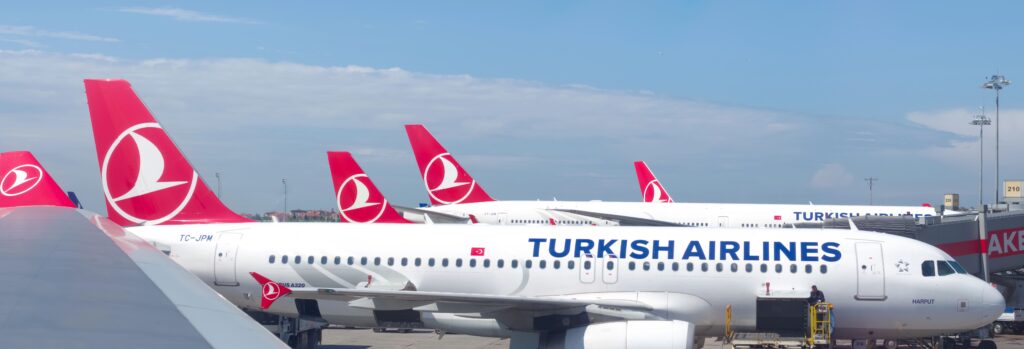
turkish airlines  customs clearance in dubai cargo from Turkey Istanbul

Key Highlights

Introduction

Moving goods between Turkey and Dubai in international trade can be simple if you know about the customs clearance process. It is important for importers to learn about all the legal requirements. This helps them to handle things well and keeps their work in line with the law. The customs clearance process is a big part of the supply chain, as it can affect ways of shipping and the whole of logistics.

For the process to work well, you must have all your documentation right. This usually means having things like commercial invoices and certificates of origin. Doing this helps make sure your goods move without trouble.

This guide is made to help you with customs clearance. It covers what you need for a good clearance process. If you want the customs process to be easy when shipping to Dubai, using the tips here can help. With the right information on customs clearance, documentation, and supply chain, your shipping and logistics from Turkey to Dubai can go smoother. Interlink Freight can manage your imports with maximum efficiency.

Overview of Importing from Turkey to Dubai

Dubai is a global hub for trade, bringing in many importers who want to reach the markets of the United Arab Emirates and GCC countries. It is a top spot for Turkish goods, like machinery, pharmaceuticals, and beverages. These products come in through shipping methods such as air freight and sea freight. To make importation smooth, you need accurate documentation, solid logistics, and a trusted partner who knows the customs regulations well. When you understand these things, your shipping and trade operations in Dubai and the Emirates can be much more efficient.

Key Trade Relations Between Turkey and Dubai

There are important ties between Turkey and Dubai. This has made a strong trade environment, brought on by shared economic interests and how close the two are. Many Turkish goods, like machinery and pharmaceuticals, are sold in Dubai’s busy economy. Dubai is known as a global hub, and this helps Turkey send more exports. This setup encourages both sides to work together more.

There are also bilateral agreements. Plus, more Turkish businesses can now be found in the UAE. These things help goods move smoothly between Turkey and the UAE. They show why it is good to keep a strong trade relationship in the region.

Popular Goods Imported from Turkey to Dubai

A wide range of Turkish goods boosts the market in Dubai. This makes Dubai a busy place for international trade. Many popular items brought in are textiles, machinery, and electronics. These match up well with the needs of the local economy. The UAE also wants food products, like beverages and processed foods. This shows the strong cultural connections in the open market.

Importers often count on reliable shipping services. This helps them get Turkish goods delivered on time and without problems. The customs clearance process is important. Importers use smooth clearance so these high-quality products reach Dubai with ease. This keeps the flow of Turkish goods and machinery steady in the UAE.

Understanding Dubai’s Customs Clearance Process

Getting customs clearance in Dubai can be simple if you know the local regulations and customs rules. Dubai customs is very important in international trade. They make sure that every shipment follows UAE customs regulations, which helps goods move safely into the country. To smooth out the clearance process, many people use customs brokers or freight forwarders. They help you with all the documentation you need, such as the commercial invoice and packing list.

Having accurate documentation is key for clearing your shipment. When your paperwork, like the invoice and packing list, is correct, you avoid problems or discrepancies that can cause delays. Following customs regulations is not just about rules—it also helps the entire process be faster and smoother. Doing this will make sure your imports get to their final destination in Dubai or the UAE on time and without trouble.

The Role of Dubai Customs in International Trade

Efficient customs operations are key to success when it comes to international trade in Dubai. The customs authorities in Dubai help goods move easily across borders. They make sure that all goods follow local regulations while encouraging trade between many countries, including Turkey. Dubai customs handle important clearance steps that help the supply chain work better. This helps Dubai become a real global hub for business.

The teamwork between customs brokers and shipping services helps in handling all the needed documentation. This support cuts down on wait times and helps Turkish goods reach their final destination fast. You can trust Dubai customs and shipping to get Turkish goods where they need to be, on time and without trouble.

Step-by-Step Guide to Clearing Customs in Dubai

Getting through the customs clearance process in Dubai means following each step carefully. First, you need to get the main customs documents ready. These include the commercial invoice, packing list, and bill of lading. Give these and any needed certificates of origin to Dubai customs. Check that all your information is correct, so you do not have problems with discrepancies.

When the customs declaration is finished, get ready in case customs authorities want to look at your goods. Before your goods go to their final destination, make sure you pay any duties and taxes that apply. Taking this organized path makes the customs clearance process easier and helps your importation go well.

Required Documents for Importing Goods

Essential documentation is needed to keep the customs clearance process in Dubai moving without any problems. The main documents are the commercial invoice and the packing list. These papers show detailed information, like what is in the shipment, how much it is worth, and its weight. The bill of lading gives proof of shipment. Also, certificates of origin prove where the goods come from. Having accurate documentation helps you follow Dubai customs regulations. It can stop delays and fix any problems or discrepancies that might come up during clearance for Turkish goods or other shipments. In Dubai, clear and correct paperwork is important for an easy clearance process.

Commercial Invoice, Packing List, and Bill of Lading

The customs clearance process needs some key papers for everything to go well. The commercial invoice, packing list, and bill of lading each have a different job, but all work together. The commercial invoice lists the details about the deal and the shipment value. The packing list gives an inventory of the goods, showing the number of things and how they are packed. The bill of lading is like a contract between the shipper and the carrier. It shows that the goods have been given to the carrier for shipment. If the documentation is not right, or if there are any discrepancies, it can cause customs clearance delays or even penalties. This can hurt the supply chain and make the clearance slow. So, all paperwork must be done right and checked well before you send out any shipment.

Certificates of Origin and Import Permits

Certificates of origin are important for customs clearance. They show that the goods are made in Turkey. Import permits come from Dubai’s customs authorities. These are needed to follow the UAE’s rules. It is good to have all of this documentation ready. This way, the importation process is easier. You also get faster approvals.

Making sure every detail is right on your documents cuts down problems and delays. It makes the entire process go better. If you use a customs broker, they can help you with the legal requirements. A broker also improves the efficiency of your shipping and clearance. This support helps you avoid discrepancies during the customs clearance process in Dubai and the UAE.

Duties, Taxes, and Fees for Imports

To manage your supply chain well when importing goods from Turkey to Dubai, you need to understand duties, taxes, and fees. Dubai customs checks the shipment value and the type of goods you bring in. They figure this out by using HS codes. You also need to pay VAT on imported items, but some needed goods may not have this tax. Be sure to follow UAE customs regulations and use accurate documentation. This will help you with the clearance process by making shipment clearance faster and keeping extra costs down.

How Import Duties Are Calculated in Dubai

Import duties in Dubai are mostly worked out by looking at the shipment value. This value is made up of the cost of the goods, the insurance, and any freight charges. The customs authorities use special numbers called Harmonized System (HS) codes. These codes help them decide which goods get which duty rates. Most of the time, the duty rates are from 0% to 5% for many types of items. But, some luxury goods can have much higher tariffs.

It is very important to have accurate documentation ready, such as the commercial invoice and the bill of lading, for the clearance process. These papers help customs look at your shipment and smoothly work out the duties you need to pay.

VAT on Imported Goods and Exemptions

Value Added Tax (VAT) is added to most goods that come into Dubai. This shows the emirate wants to bring its economy up to date. The VAT rate is usually five percent. However, the rate can change depending on the type of goods and how they will be used. Some things, like pharmaceuticals or medical supplies, do not have this tax. This is to help public health in the UAE and Dubai.

If you want to get these tax exemptions, you need to have accurate documentation with every shipment. This must include a commercial invoice and a certificate of origin. These papers help you follow uae customs regulations and make sure you meet all customs regulations. You should always check what documentation and invoice is needed based on the type of goods you want to bring in.

Common Challenges and Solutions in Customs Clearance

Documentation mistakes often slow down the customs clearance process. It is important to have the right paperwork for this, like a commercial invoice and packing list, to make the entire process easier. When you work with a trusted partner such as a customs broker or a freight forwarder, you get help to deal with local regulations. If you also know about the usual restrictions and what goods are not allowed, you can stop extra checks and save time. By paying attention to clear paperwork and following the rules, people importing Turkish goods can cut down on problems and help get clearance for turkish freight into Dubai quickly.

Avoiding Delays Due to Documentation Errors

Making sure that you have accurate documentation is important if you want to avoid delays during the customs clearance process. Many times, small errors in customs documents, like in the commercial invoice or packing list, can cause the whole clearance to stop. It's a good idea for importers to work closely with the customs authorities or a skilled customs broker. This helps make sure that all paperwork matches the UAE customs regulations. When businesses keep their customs documents correct and fix any possible problems right away, they make the importation process easier. This also means there is less chance of issues in their supply chain.

Dealing with Inspections, Restrictions, and Prohibited Goods

Getting through inspections, restrictions, and shipments with banned items is often not easy when you handle the customs clearance process. Dubai customs is strict about rules and has detailed checks to make sure shipments follow the law. If you want a smooth clearance process in Dubai, you need to know about what goods are not allowed and make sure you follow the customs regulations at every step. If you do not, you can face delays or fines. Using a skilled customs broker can help here. A customs broker makes sure your paperwork fits the legal requirements, so you avoid mistakes or issues with your documentation during inspections. This can lead to an easier customs clearance process with fewer discrepancies.

Conclusion

Navigating the customs clearance process for bringing goods from Turkey to Dubai can be easy if you have the right knowledge and are well prepared. It is important to know what documents you need, understand duties, and follow the important regulations for customs clearance. Keeping your documentation accurate is key in this process. Working with customs brokers or freight forwarders can also help a lot, as they know how to handle every step of clearance and logistics. When you get these parts right, you make the most out of the trade connections between Turkey and Dubai. This way, you benefit from what this global hub can offer for your business.

Frequently Asked Questions

What is the typical timeline for customs clearance in Dubai?

The usual time for customs clearance in Dubai is one to three days. The time it takes can be shorter or longer. The accuracy of your documentation, the type of goods you have, and inspections all play a big role in this. If there are any mistakes or issues with these, it can delay the clearance process. So, it is good to make sure all your paperwork is correct to help things go smoothly in Dubai.

Are there any goods from Turkey that are restricted or prohibited in Dubai?

Some goods that come from Turkey to Dubai have rules or may not be allowed. These include things like items made from protected animals, drugs, and fake products. Also, some types of electronics may need to meet local regulations in Dubai. It is important to check the latest customs guidelines before you import anything, so you can be sure you follow the rules.

Can I benefit from duty exemptions when importing to Dubai?

Yes, you may get duty exemptions when you import certain goods to Dubai. This is true for some products or when there are special trade agreements. It is important to check if you meet the rules and follow all local regulations. Doing this can help you save money on import duties in Dubai.

What are the penalties for incorrect customs declarations?

Incorrect customs declarations can bring big problems. You may face large fines, shipment delays, and even legal trouble. If these mistakes happen more than once, officials may start to watch your future shipments more closely. They may even take away your import license. This can hurt your trade with others in the long run.

Is it necessary to hire a customs broker for importing into Dubai?

Hiring a customs broker for importing goods into Dubai is not something you must do, but it can make things much easier. A customs broker knows all about the local regulations and the way things work at the port. They take care of the paperwork and talk to customs for you. This can help save time and lower the chance of mistakes during clearance. Using a customs broker in Dubai can help your goods get in without trouble.

https://interlinkgulf.com/importing-from-turkey-to-dubai-customs-clearance-simplified/ #CustomsBrokerinDubai #CustomsClearance #customsclearancefromturkeytouae #DubaicustomsClearance #DubaisAirFreightIndustry #foodimportstoUAE #LogisticsTransportation #smallcargoworldwide #BestCustomsbrokerinDubai #customclearanceagentsindubai #Customsbrokerdubai #CustomsBrokerinDubai #CustomsClearance #DubaiCustomsclearance #Dubaicustomsprocedures #importfromturkeytouae #UAEfoodimportclearance https://interlinkgulf.com

Guide to Customs Clearance of Industrial Spare Parts in Dubai 

Industrial Spare Parts customs clearance dubai and jebelali

Key Highlights


Introduction

Dubai stands out as a key place for international trade. This is because of its good location and its strong and advanced infrastructure. If you want things to go well when you import machinery and spare parts, you need to handle dubai customs and customs clearance the right way. It is important for anyone bringing in spare parts through dubai, especially using jebel ali port, to understand how the clearance process works.

This guide will walk you through the main steps you need for customs clearance. It will explain the rules, what documents you must have, and what to do to follow the right steps. By learning about the rules for bringing spare parts into the uae, you can make your business run better, follow all uw trade laws, and stop any hold-ups before they start.

Overview of Customs Clearance for Industrial Spare Parts in Dubai

Jebel Ali Port, built in Dubai, is a key spot for global logistics. The port is known for handling a big amount of spare parts for different industries. Its infrastructure helps businesses bring in these goods in an easy and fast way.

When it comes to customs clearance in Dubai, there are steps you must follow for the legal entry of spare parts. You need to declare your shipments with Dubai Customs, pay any needed duties and VAT, go through inspections, and meet regulatory requirements. If you follow the customs clearance process in the right way, your business can make things work smoother. This saves time and helps you stay in line with UAE rules.

The Role of Customs in International Trade

Customs authorities are at the heart of global trade. They help make sure goods move across borders the right way. In Dubai, customs officials work hard to follow all UAE and international rules. They help importers and exporters get their goods through borders more smoothly.

Customs officials in Dubai have two main jobs. They make sure everyone follows trade rules, and they work to keep the country safe. This includes checking shipments closely. They also manage tariffs and see to it that trade agreements are followed. They check each shipment to make sure goods meet UAE safety and quality rules.

Dubai, in the Emirates, depends on its customs authorities to keep trade clear and fair. They help the area’s economy grow. When traders work with customs, they better understand what to do, even when rules are not simple. This helps Dubai grow into a leading logistics hub in the Emirates.

Why Industrial Spare Parts Require Special Clearance

Industrial spare parts are not the same as general goods because they need to meet specific regulatory requirements. The rules over them are strict, and this makes the process more complex. Items like auto parts or parts for machinery must go through close inspection. Their documentation has to match up with the standards of Dubai Customs.

Some spare parts need technical certifications or special approvals, based on the kind and use of the part. For instance, if the part is for business activities that are important, such as certain machinery spare parts, it will be checked very closely. Safety checks might be required before these items get clearance. These extra steps are there so that all rules are followed.

Also, bringing spare parts into the country has a big impact on how a business runs. If there are delays or the parts get marked wrong, it can stop the whole supply chain. This is why importers need to know about the different customs requirements in dubai. Knowing these rules makes it much easier and faster to bring spare parts into the uae.

Key Regulations and Authorities Governing Customs Clearance

Customs clearance in Dubai is led by Dubai Customs. This group checks every import and export to make sure rules are met and that all work is done right. Importers in Dubai must follow the UAE Customs Law. They need to pay attention to tariff classification, how things are valued, and the paperwork that comes with it.

The Chamber of Commerce helps by checking key documentation. This includes certificates of origin and permissions to trade. When importers use Dubai Trade, they can make operations smoother. It helps them meet customs authorities' rules and finish customs clearance the right way. This keeps importers in line with regulatory requirements and improves accuracy with paperwork and certificates in the UAE.

Dubai Customs and Their Responsibilities

Dubai Customs is the main body handling shipments that come in or go out of the UAE. They watch over the clearance process, check that all rules are followed, and collect any duties or VAT on imported spare parts.

The team at Dubai Customs checks customs papers, looks over goods closely, and gives the okay for items to enter or leave Dubai. Customs officials and importers work together to register shipments the right way. This helps them meet UAE trade rules.

Dubai Customs also works to keep the borders of Dubai safe and make trade easier for people. They want the process to be open and clear. If businesses listen to the rules that Dubai Customs sets, it can help them bring in machinery and spare parts in a smooth way.

Essential Laws and Compliance Requirements

To bring goods into Dubai through Dubai Customs, you must follow specific regulations like the UAE Customs Law and other trade agreements. Importers need to get the necessary approvals, send certificates of origin, and pay attention to tariff codes.

There are technical standards in place to make sure machinery is safe. The law also needs the right documentation for smooth customs clearance. Importers have to make sure invoices are correct, give the proper details about their goods, and keep up with changing rules.

If you do not follow these customs clearance rules and Dubai Customs guidelines, you may face fines or have your goods taken away. Knowing what steps to take for compliance helps make your business run well and makes customs clearance easier.

Classification and Valuation of Industrial Spare Parts

Proper classification of spare parts under HS codes is very important when you want to find out the customs duty rates. Each spare part must have the right description. This helps you match what is needed for dubai customs clearance.

The value of goods is set using methods that dubai customs accepts, like the transaction value method. This often looks at invoices and shipping details. Importers should get all their paperwork ready. The paperwork must show the country of origin and have clear details. Good communication with customs officials is important too. When you get the classification and valuation right, you can get faster https://clutch.co/profile/interlink-freight-agency-customs-broker. This way, you also save money and avoid extra costs.

How Spare Parts Are Classified Under HS Codes

HS codes, known as Harmonized System codes, are numbers used by customs authorities all over the world. They help classify goods for things like customs clearance. Spare parts, like auto parts or machinery, get their own HS codes based on what they are and which country they come from.

In Dubai, Dubai customs want you to list things in detail. If you bring in auto parts or any machinery, you must clearly say what they are. This helps find out the right duty rates. If you pick the wrong code, it could cause delays, extra costs, or fines.

When you use the right HS codes, importers follow the needed trade agreements and customs clearance rules. Working with customs brokers can help you avoid mistakes in the Dubai customs clearance procedure. This lowers the chances of mix-ups during Dubai customs clearance for spare parts, machinery, or auto parts coming from another country of origin.

Methods for Determining Value for Customs Purposes

Value determination in customs clearance is essential for calculating duties and VAT. Dubai Customs uses structured methods, including the transaction value method, deductive value method, and computed value method.

Method Description Example
Transaction Value Method Based on the price paid or payable for spare parts. Includes adjustments for freight and insurance. Total invoice cost + freight.
Deductive Value Method Applies deductions from subsequent sale prices in the UAE market. Sale price minus trade costs.
Computed Value Method Computation using production costs, overheads, and profit margins. Manufacturing cost + packaging.

Dubai Customs officials validate these calculations using invoices, shipment details, and supporting paperwork. Accuracy in valuation methods secures smooth customs clearance processes.


Step-by-Step Process of Customs Clearance

The customs clearance process is made up of a few clear steps in Dubai. First, importers need to get important papers ready. These include the certificate of origin, packing list, and bill of lading.

Then, it is important to work with freight forwarders. This helps to make sure the shipment declaration gets sent to Dubai Trade the right way. After that, customs officials will check everything and carry out inspections. They also calculate duties and VAT before they decide if you get clearance approval.

Every step needs careful planning and you must follow the Dubai customs clearance procedure. This will help importers to avoid delays or penalties during the Dubai customs clearance process.

Documentation Requirements and Preparation

Accurate documentation is important for customs compliance in Dubai. Importers have to show these main papers:

All these documents must be signed and stamped. They need to match the shipping details without errors. If there are differences, it can bring penalties or hold up clearance. Many businesses work with freight forwarders or customs brokers to help them with paperwork and keep things correct with UAE rules. This makes sure their shipment moves smoothly and meets all the documentation needs in Dubai.

Submission and Verification Procedures

When you send your documents to Dubai Customs, you need to use online platforms like Dubai Trade. This helps make the process simple and quick. Customs officials go through every document to check if it is correct before your goods can move forward.

They look at invoices closely. They also check cargo lists and make sure that all rules have been followed. If there are mistakes when you send in your documents, you could face delays or get more questions about your shipment.

Importers can get peace of mind and a faster check from Dubai Customs when they use expert guidance. Customs brokers are people who know how the system works. They make sure everything to do with your documents meets Dubai Customs clearance rules. This means your shipment can get approved faster and you will not have to worry as much.

Duties, Taxes, and Fees for Spare Parts Importation

Importing spare parts into Dubai means you have to pay customs duties. These are worked out using the CIF value, which is the cost, insurance, and freight added together. You also pay VAT on the full landed cost.

Tariffs are usually 5% of what the item is worth. VAT in Dubai adds another 5%, unless you have exemptions. There can be extra charges like handling fees too. To make sure you do not pay extra money, it is good for importers to know how customs duties and trade agreements work. This helps people bring in spare parts in a more cost-effective way.

Calculation of Customs Duties and VAT

Customs duties are calculated as 5% of the total CIF (Cost, Insurance, and Freight) value. VAT is then applied at 5% on the landed cost, including duties and extra charges.

For spare parts, this calculation ensures accurate financial planning during import:

Category Calculation Components Total Cost Example
CIF Cost Freight + Insurance + Item Value AED 100,000
Duty CIF Cost × 5% AED 5,000
VAT (CIF + Duty) × 5% AED 5,250
Total Cost CIF + Duty + VAT AED 110,250

Importers must provide accurate invoices and insurance documentation to validate their CIF costs with customs officials.


Payment Methods and Exemptions

Dubai Customs lets you pay duty using different ways. You can use online transfers or bank methods. Importers must keep clear records of every AED payment they make.

Some exemptions are possible. These may depend on trade agreements or the type of items. For example, spare parts for public transit vehicles in Dubai can have lower rates.

If you talk to customs brokers, your business can find out about exemptions for your goods. This can help you while you pay and make sure you follow all the Dubai customs rules.

Inspection and Compliance Checks

Compliance checks help make sure that goods brought into the UAE follow the country’s safety rules. Customs inspection procedures in Dubai check the quantity, condition, and quality of machinery and spare parts.

Certain spare parts go through extra steps like technical testing, physical handling checks, and documentation reviews. When you work with customs officials and keep things clear, this speeds up the process. It also helps you avoid any risks of not meeting the rules.

Physical Inspection Procedures

Machinery and spare parts checks involve a hands-on process. Here, customs authorities take time to look over each shipment. They count all the items, check given serial numbers, and make sure that the machinery meets all regulatory requirements.

At times, customs officials can ask for technical tools to do more tests on some spare parts. Problems can happen if people do not pack shipments the right way, and this can cause delays. It is key for every business to pack all components so they are safe, and to label them in a clear way.

Being honest with customs officials and getting ready for checks in advance help with smooth spare parts clearance. This makes it easier when getting machinery parts into a country.

Dealing with Non-Compliance or Discrepancies

Non-compliance is often because of mistakes in documentation or calling items the wrong thing. This can lead to penalties or Dubai Customs rejecting the shipment.

To fix these issues, you have to explain things clearly. You need to give the right paperwork and work with customs brokers to sort out any problems. If you can show proof that you follow the rules quickly, you can cut down on bad results.

Importers in Dubai should keep good records and get expert guidance. This helps them get through tough situations with Dubai Customs in a clear and fast way.

Common Challenges and Solutions in Clearing Industrial Spare Parts

Getting customs clearance for industrial spare parts is often tough. You might face delays or run into problems with paperwork. Items can even be put in the wrong category. All this can slow down logistics and may lead to arguments.

To move past these problems, you need good planning. Make sure your documentation is right and complete. It's also smart to work with customs brokers who know their job well. Taking steps early on can help avoid fines. This gives you peace of mind while handling every step of the clearance process.

Handling Delays and Disputes

Delays in customs clearance often happen when the right paperwork is not there. Sometimes, incorrect declarations can also cause problems. If there are differences in HS codes or the value of the shipment, this can bring up disputes with Dubai Customs.

Careful planning and working with customs brokers can help businesses fix these issues early. When you correct problems at once and use Dubai Trade platforms, you make it faster and easier to solve the issue. This also helps you meet the rules for customs clearance in Dubai.

Talking openly with customs authorities is important. It makes it easier to handle disputes and stops more delays from happening with your shipment or paperwork.

Tips for Smooth and Efficient Customs Clearance

Boost efficiency during customs clearance with good preparation and planning:

By doing these things, you can make the Dubai customs clearance process smooth. Your business will have fewer problems and get goods into Dubai with less trouble.

Conclusion

Understanding the customs clearance process for industrial spare parts in Dubai can be hard. But if you know the main things, it can get much easier. You need to focus on the right documentation. It is also important to know about duties and taxes. If you want the customs clearance to go well, you have to be informed.

You should learn about how Dubai Customs works. It helps to know about compliance and what is required. This way, you can avoid many issues. Using the strategies talked about here will help. Always remember, being prepared and knowing the customs clearance process will make things smoother.

If you want help made just for you, feel free to ask for expert guidance. This can make the process in Dubai better for you and your spare parts.

Frequently Asked Questions

What documents are needed for customs clearance of spare parts in Dubai?

Importers have to give the certificate of origin, packing list, bill of lading, and invoices to Dubai Customs for clearance. These papers must be signed and stamped. You need to make sure all the details in these documents are right. This helps avoid any problems when there is an inspection and also makes sure you meet the rules set by Dubai Customs.

How long does the customs clearance process usually take?

Most of the time, customs clearance in Dubai is quick. If you follow every step and have all needed documents, you can finish the process in just a few hours or by the end of the day. This includes inspections, letting in the items, and getting every paper approved. But, if even one piece of paperwork is missing or the shipment has a problem, there can be delays in the clearance.

Are there any items that require special permits or approvals?

Some items, such as spare parts for machines that can affect safety, need special approval or certificates. Dubai Customs and the Chamber of Commerce may ask for these permits. It depends on what type of spare parts you are bringing into Dubai and how they will be used.

What are the penalties for incorrect documentation or misdeclaration?

Not following the rules of Dubai Customs can lead to big problems. There can be fines on you. Your shipment may be delayed or even taken away. If the value or type of an item is not right, you might have to pay a fine. When you get expert help, it is easier to have your documentation done right. This makes sure everything for your Dubai shipment goes well.

Can a customs broker assist with the clearance process in Dubai?

Yes, customs brokers give expert guidance and peace of mind. They take care of all the documentation. They also work with customs officials to help you get through the Dubai Customs clearance process. If there are any checks or problems with verification, they handle those, too. This makes the customs clearance process in Dubai much smoother for importers.

Call: +971557910800

info@interlinkgulf.com

https://interlinkgulf.com/customs-clearance-of-industrial-spare-parts-in-dubai-guide/ #airfreight #CustomsBrokerinDubai #CustomsClearance #Customsclearanceinuae #customsregulations #DubaicustomsClearance #INDUATRIALSPAREPARTSCLEARANCE #LogisticsTransportation #SPAREPARTCLEARANCEINUAE #customclearanceagentsindubai #Customsbrokerdubai #CustomsBrokerinDubai #CustomsClearance #DubaiCustomsclearance #Dubaicustomsprocedures #IndustrialSparePartscustomsclearancedubai https://interlinkgulf.com

Importing into the UAE from Europe: Customs Clearance Tips from a customs broker

Customs Clearance in the UAE from Europe

Key Highlights


Introduction

Importing goods from Europe to the United Arab Emirates means you have to follow a clear customs clearance process. To bring products to Dubai, companies must obey UAE laws. This includes strict checks from customs authorities, paying duties, and giving all needed paperwork. You need to have a detailed packing list, a commercial invoice, and a certificate of origin ready. These steps are very important to the clearance process.

This guide gives businesses useful advice to help get their goods through customs. It shows you how to deal with common problems and make your import operations better. When you follow every rule and work closely with customs authorities, your goods can enter the United Arab Emirates easily. Interlink Freight supports importers at every stage of the UAE customs clearance process.

Overview of Importing into the UAE from Europe

The UAE is a key place for global imports. There is a lot of trade, especially from Europe. The country's strategic location and good trade agreements make this possible. When you do importation of goods into Dubai, you need to follow all customs regulations. You must give Dubai Customs some essential documents. These include an airway bill, import declaration forms, and packing lists.

For any business in Europe, it is important to know all the rules about UAE import. There are many steps and layers to this. Dubai Customs, along with other local offices, want to see that people follow the rules. This helps make sure goods can move in and out easily. To make things simpler, start by getting your paperwork right and know the customs regulations. This is how you can follow the rules for importation of goods with less trouble.

Key Benefits and Opportunities for European Exporters

Dubai’s strategic location connects Europe, Asia, and Africa. This makes it a great place for European exporters. This location helps with faster delivery times and lower shipping costs for international trade.

The UAE has strong trade agreements. These agreements help European companies get more chances in the market. For example, the GCC trade agreements usually mean lower customs duties. This helps cut costs for exporters who deal with both raw materials and finished products. These rules make it easier to bring goods into the area.

Also, there are free trade zones in Dubai that give big benefits to exporters. In these free zones, there are no import duties and customs procedures are easier. Businesses that use Dubai's free zones get smooth operations. This gives them a better chance in the UAE market and helps them work well with international trade and the importation of goods.

Common Challenges Faced by European Importers

European importers often have challenges in the customs clearance process in Dubai, especially when the paperwork is not correct. If needed documents, like packing lists or airway bills, are missing or not filled out right, this can lead to fines or slow things down. This is why people need to pay close attention to details.

Another common issue is with customs duty. The customs duty calculation has to use the right numbers from CIF (Cost, Insurance, Freight). If there are mistakes, there might be new checks, more time in storage, or extra inspections.

Some products, such as electronics or meat, must meet import regulations and need special paperwork like Halal slaughter certificates. Getting help from a reliable customs broker can make the customs clearance go much more smoothly. These brokers help people deal with the customs clearance process while lowering the risks from Dubai's import rules.

Understanding UAE Customs Authorities and Their Role

The UAE government has customs authorities that watch over international trade. The Federal Customs Authority makes policies for the whole country. Local customs departments, like the ones in Abu Dhabi and Dubai, handle their own rules for their areas.

These customs departments work in airports, seaports, and at land borders. They check goods, work out customs duty, and make sure all trade policies are followed. Importers have to follow the rules given by these customs departments. This helps goods move into the UAE with no problems and keeps everything in line with the law.

Federal Customs Authority vs. Local Customs Departments

The Federal Customs Authority is in charge of rules for all imports and exports in the UAE. It sets the trade rules for the whole country, decides on customs duty rates, and lists items that cannot come in.

Local customs departments, such as Dubai Customs and the customs department in Abu Dhabi, take care of goods at each port in their emirate. These customs departments make sure that federal laws are followed. They can also have extra steps to fit what local markets need.

These groups must work together so businesses can bring goods into the country without trouble. Importers should know about the rules and needs of local customs departments at important places, like Abu Dhabi International Airport. This way, they can avoid delays when goods are checked or cleared.

How UAE Customs Regulations Affect European Imports

Dubai Customs enforces strict customs regulations to control the importation of goods. These rules make sure that everything meets trade policies, safety rules, and correct value reports. You must have full paperwork for imported goods. This includes detailed packing lists and the bill of entry.

Some key rules are standard duty rates on goods, special benefits for things sent to free trade zones, and using HS Codes to group items the right way. If you do not follow these steps, there may be more checks or you could face extra costs.

European businesses sending electronics, medical supplies, or personal effects to Dubai have to follow Dubai customs guidelines very carefully. Using trusted tools or working with a customs broker helps people and companies meet these rules the right way.

Essential Documentation for European Imports to Dubai

Having the right paperwork is very important when you bring goods into Dubai. The essential documents you need include a commercial invoice, packing list, and certificate of origin. These help the customs departments check that you follow the UAE import rules.

Some types of imports, like food items or things that can be dangerous, need extra permits or licenses. It is a good idea to work with Dubai Customs or with one of their approved clearing agents such as Interlink Freight. This helps you stay in line with every rule. It also helps you avoid problems or delays when your goods are being cleared.

Commercial Invoice, Packing List, and Certificate of Origin

Getting all the essential documents in order helps make customs clearance smooth when you bring in European imports to Dubai.

These essential documents are needed in the customs clearance process. They help customs departments give the right duty and make sure your goods move fast and without any problems.

Permits, Licenses, and Special Certificates

Some goods need special certifications for Dubai customs clearance.

If you follow all the rules and get the right licenses, your high-value cargo can get through Dubai customs faster. This is true whether you are bringing in goods from Europe or anywhere else.

Customs Clearance Process for Goods Arriving from Europe

Dubai’s customs clearance process starts with getting ready before your goods arrive. You must submit the right documents, like the bill of lading and packing lists. Then, you pay all needed duties. Air Freight is good for fast clearance, while sea freight works for bigger loads that take more time.

The Dubai Trade Portal is an important place to submit your papers. This helps you follow all rules in the clearance process. If you use the Dubai Trade Portal, you get an easy way in for your imported goods and you avoid problems from doing paperwork by hand. Switching to doing these pre-arrival steps may save you time and help you clear customs faster. Interlink Freight can handle portal submissions and document reviews for you.

Pre-Arrival Procedures and Submission Channels

Effective pre-arrival steps make customs clearance in Dubai easier:

This way of doing things helps people shipping with air freight or sea freight. It’s good for importers, as it makes the process more reliable and keeps things on track with set timelines.

Steps of Cargo Inspection and Duty Assessment

Cargo inspection and duty assessment is an important part of the customs clearance process in the UAE. When goods arrive, the customs authorities look at the necessary documents like the bill of lading, packing list, and commercial invoice. This check helps make sure you follow all customs regulations. After the inspection, customs duty is set using the CIF value of the imported goods, and any tariffs or fees are added as well. If you use a reliable customs broker, you can make the clearance process for your goods much smoother.

Duties, Taxes, and Fees on European Imports

Several fees, taxes, and duties are charged on goods from Europe that enter the United Arab Emirates. The customs duty rates depend on the HS code of the goods and where they come from, but these rates are usually between 0% and 5%. The United Arab Emirates also charges a value-added tax (VAT) of 5% on the last retail price of most imports. You may also have to pay extra customs fees, like charges for inspection and clearance.

To have a smooth customs clearance process in the United Arab Emirates, you need to get your paperwork right. This means having a detailed packing list, a commercial invoice, and a certificate of origin. With these documents, you make the customs clearance process easier and help your goods get through on time. The right documents and an accurate packing list play a key part in avoiding problems at the border.

Calculating Customs Duties and VAT in Dubai

Figuring out customs duty and VAT in Dubai means you need to know the CIF value, which is the cost, insurance, and freight of the imported goods. Customs authorities use the HS Code for each item to set duty rates, and these can be very different for each product. Along with customs duty, a standard VAT of 5% is usually added. You need to give accurate documents, like the commercial invoice and a detailed packing list, for a smooth customs clearance process. This helps you follow UAE import regulations and lets local customs departments finish the clearance process quickly for your goods.

Exemptions and Reductions for Specific Goods

Exemptions and lower duty rates for some goods can help lower costs during the customs clearance process. In the UAE, there are things like medical supplies and educational items that may get a break and not have to pay the full duty rates, or sometimes none at all. To get these savings, you have to give the needed essential documents, like a certificate of origin and a commercial invoice. These papers must show what the goods are. If you get help from a reliable customs broker, they can guide you through the customs clearance process and help you follow the rules. This can make the whole clearance process much easier.

Prohibited and Restricted Items When Importing from Europe

Importing goods from Europe into the UAE means you have to follow all customs regulations. There are strict rules on what can and cannot come into the country. Some things, like live animals, controlled substances, and fake products, are not allowed at all. Other items, such as medical equipment, will need you to get approval first from the Ministry of Health.

It is very important to know and follow the rules set by UAE customs authorities. This helps you stay out of trouble and makes the process easier. Working with a reliable customs broker can help make the customs clearance process much smoother. A good broker will guide you and help clear your goods with the UAE customs, so the clearance process is simple and worry-free. This way, you can be sure you are doing everything right and get your items through customs without any issues.

Categories of Prohibited Goods

Bringing goods into the UAE needs you to follow some strict rules. There are some items that you cannot bring in at all. These include narcotics, some weapons, and items that may hurt national security. Also, if you want to bring in live animals or certain food products, you must get approval first.

It is very important to follow the customs regulations set by the UAE customs. If you do not obey these rules, there can be tough penalties. To have a smooth customs clearance process, you should always check the latest rules and guidelines from the UAE customs authorities. This helps you make sure your goods get through the customs clearance without any trouble.

Special Requirements for Restricted Items

There are some special rules that you have to follow when you bring restricted items into the UAE. You need to have the right permits to make sure you follow customs regulations. In many cases, you need to get approval from the relevant authorities. For example, if you bring in medical supplies, you must get permission from the Ministry of Health. For some goods, you need to get approval from the Ministry of Defense.

You also have to include a detailed packing list and all original standard trade documentation with the items. It is a good idea to hire a reliable customs broker for the customs clearance process. A good customs broker knows what to do and helps you deal with any problems. This will help you have a smooth customs clearance process, even if the rules seem hard to follow.

Conclusion

A successful import to the UAE from Europe depends on knowing customs regulations and making sure that all documents are ready. Working with dependable customs brokers helps with the customs clearance process. This can cut down on extra costs and stop delays. If you keep up with the duty rates, taxes, and possible exemptions, you make your clearance process better. Doing all these things with care and the right skills lets you be part of the UAE’s busy market without trouble.

Frequently Asked Questions

What documents are required to clear customs when importing from Europe to Dubai?

To clear customs when you import goods from Europe to Dubai, you need to have a few important papers. You must have a commercial invoice, a packing list, a bill of lading, and an import permit. You might also need some other papers, like a certificate of origin or a health certificate. Make sure all the papers you give are right, so you do not have any problems or delays.

Are there any special rules for importing food or electronics from Europe?

Yes, if you want to bring food items or electronics from Europe to the UAE, there the some rules you need to follow. Food items must meet the right health standards. You also have to make sure they have all the certifications needed. For electronics, there are safety rules you must stick to. Be ready for checks at customs, and you might have to pay some fees. This will help everything go well during customs clearance.

How long does customs clearance take for shipments from Europe?

Customs clearance for shipments from Europe usually takes between 1 and 5 business days. The time it takes can depend on the type of goods, how correct the paperwork is, and if there are any checks needed. Sometimes, delays happen if customs have questions or if the paperwork is not complete.

What are the most common reasons for customs delays in Dubai?

Some common reasons for customs delays in Dubai are missing paperwork, wrong details about what is being shipped, not following import regulations, and unpaid fees or taxes. There can also be delays if your goods are chosen for random checks or if people at customs find something suspicious in the shipment. All these issues may hold up the process and make your imported things reach you later than planned.

Can I import goods to Dubai without a local business partner?

Yes, you can bring goods into Dubai without a local business partner if you are a foreign company. But it is important to follow UAE rules and get the needed trade license. Always check which rules apply to your goods before you make plans.