Customs Clearance and Transit of Goods: Dubai-Russia Insights

Key Highlights

Introduction

The customs clearance and transit of goods between Dubai and Russia can be tricky. At the same time, the process offers many good chances for people who do international shipping. Trade between the two places is going up. So, it is important to understand customs regulations well. This helps you stay in line with the rules and keeps everything running smoothly. Things like packing lists and the right paperwork matter a lot. You must also think about risk, so having cargo insurance is smart. Simple and clear steps can make global trade smoother for us all. Use these tips to make the most of Dubai’s strategic location and strong setup. This way, your company can meet its shipping goals in less time and with less trouble.

Overview of Dubai-Russia Trade Relations

Dubai and Russia have a busy trading bond that shows how connected their economic interests are. The UAE uses its good strategic location and strong infrastructure to help Russian importers get many global goods. At the same time, Russia helps Dubai send more types of goods out to the world. This helps both sides in the global trade market.

Goods traded between them include electronics and heavy equipment. This shows the range and size of what they trade. To move these goods, they need easy customs regulations and simple ways to make these rules work.

Growth Trends in Bilateral Trade

The trade between Dubai and Russia has changed a lot over the years. This shows just how important they are in global trade. In the past few years, the trade between the two countries has kept growing. Dubai is known for being a transit hub, and Russia’s need for many kinds of goods helps drive this growth.

Dubai sends out many high-value products to Russia. These include electronics, textiles, and cars. Russia buys these to sell in their markets. At the same time, Russia sends raw materials, like metals, to Dubai. Dubai uses these metals for local businesses or sends them to other places.

One of the main reasons this trade is going up is Dubai’s strategic location. Places like Jebel Ali Port and their strong logistics solutions help keep things moving smoothly. Good trade laws and easy customs clearance also make it better for both sides. This teamwork opens up more and more chances for people using cargo services to do business between Dubai and Russia.

Key Commodities Exchanged Between Dubai and Russia

The trade corridor between Dubai and Russia covers some main types of goods. This helps to make international shipping easy. These goods show the strong business link the two countries have:

All these goods show how Dubai is able to meet Russian needs. Dubai also makes sure all customs clearance rules are followed. This lets goods move fast and smooth through international shipping.

Understanding Customs Regulations in Dubai and Russia

Understanding customs regulations is very important when you need to move shipments from Dubai to Russia. Dubai has a strong customs system. This system helps trade go smoothly and makes sure everything follows the law. It asks for things like packing lists and certificates of origin, so you need to have all your documents ready.

Russian customs also has its own rules. There are legal requirements, like import limits and certain product certificate standards to follow. You have to know about these so you don’t get held up or cause trouble with your supply chain. If you learn about both Dubai and Russian customs, you will help cargo reach its place on time. In the end, knowing all the rules can make shipments quicker and keep everything working well.

Regulatory Authorities and Their Roles

Customs authorities in Dubai and Russia are both very important. They help make sure that international shipping is safe and follows the rules of each country.

Dubai Customs works to make trade easier for everyone. They do this by using organized paperwork and smooth processes. This helps speedy transit and clearance of goods, whether it is sea freight or air cargo. Their modern systems help things move quickly while staying within the law.

Russian Customs follows very strict rules. These include things like quotas and safety checks that every shipment must meet. They look at all goods coming into the country to make sure they pass important legal requirements. If something does not follow the rules, there will be penalties. They use entry forms and online submissions to help move cargo out of customs more simply and quickly.

When both Dubai and Russian customs authorities work together, things are easier for businesses. Freight services and customs brokers can help manage the rules and paperwork needed for safe international shipping. This not only lessens risk but also helps people and companies follow the legal requirements for sea freight and air cargo.

Recent Updates to Import-Export Laws

It is important to keep up with the new import-export laws when you ship goods between Dubai and Russia. Dubai has improved the way it handles shipments by putting more focus on e-clearance methods. This change helps make things move faster. It also means there is less paperwork for businesses, but they must still make sure everything is correct.

In Russia, there have also been changes to the rules. Now, there are stronger rules for getting certificates and new limits on some items. Safety and quality rules are also stricter now, so companies in Dubai who send things to Russia must be able to meet them.

These changes match what is happening in other parts of the world. Countries want more open and safe trading. If businesses keep up with the new rules, they can set up their shipping plans in the right way. This helps make it easy for their goods to move from one country to the other.

Preparing Goods for Export from Dubai

Getting ready the right way is the key if you want to export goods from Dubai to Russia. You need to make sure your packing lists and labels are right and go with Russian packing rules. You should also choose the best way to ship, like sea freight or air cargo, to help your goods get there on time.

To meet Dubai’s customs clearance process, you need to follow simple steps and have your papers in order. If you do what Russia’s legal requirements ask for, your goods can enter the market smoothly. This will give you peace of mind during the whole trip.

Document Checklist for Dubai Exporters

A simple and complete checklist of necessary documents helps your export go smoothly. Dubai exporters should remember these important papers:

It is very important to check that each document is correct and matches all the customs regulations of Dubai and Russian customs. If the information is not exact, your shipment can be delayed at customs clearance. To avoid problems, be sure every document, including the packing list and commercial invoice, is clear and complete before sending anything out.

Packaging and Labeling Standards for Russian Markets

Packaging and labeling are very important when you send goods to Russian markets. Exporters have to pick strong packaging materials, like pallets, to keep things safe and stop damage. For fragile items, it is good to use packaging that keeps out moisture.

Labels need to be clear and detailed. They must show the shipping address, package weight, and how to handle the goods. This helps with sea or air transport, and makes customs checks faster and easier.

Russian rules say you have to follow clear instructions to meet safety and regulatory needs. If you comply, your goods get cleared quickly and get delivered on time.

Restricted and Prohibited Goods

Understanding the rules for sending restricted and prohibited goods can be hard, especially with international shipping. Safety issues, political reasons, and money rules all play a part in what can and cannot be sent. There are some things that almost always need special permits if you want to ship them. These include hazardous materials, some personal belongings, and many perishable goods. Each country has its own customs regulations for what is allowed to come in. Russia is no different. You should follow these customs clearance rules closely during the international shipping process. This is the best way to make sure your shipment gets through quickly and easily. Doing this keeps you in line with the law, helps with the customs clearance process, and gives peace of mind to everyone involved.

Categories of Banned Items

There are many types of things that you cannot send when shipping to Russia from Dubai. This is because of rules for customs clearance. Hazardous materials like explosives and items that can catch fire are not allowed. These are banned to keep everyone safe. Counterfeit products and things that break intellectual property rules are also blocked. You cannot send personal belongings that could cause trouble in customs clearance, like weapons or illegal drugs. You need to know about these rules for customs regulations, so you do not get any penalties or potential delays during the customs clearance process. Shippers should always check for updates on banned items to make sure the logistics go well.

Special Permits and Licenses Required

Some shipments need special permits and licenses to follow customs regulations. This makes sure all types of goods also meet legal requirements. For example, hazardous materials often need special permits to keep people safe. Goods like pharmaceuticals and electronics may need extra import licenses. If you do not get these documents, your shipping process can face big delays. Working with a freight forwarder may make it quicker and easier to get these special permits. This helps avoid problems and lets the shipping process from Dubai to Russia go more smoothly. Always check what documents you need early to make sure there are no issues.

Choosing the Right Freight Forwarder

Choosing the right freight forwarder like Interlink Freight helps make international shipping go smoothly and helps with customs clearance. Look for someone who has a strong history with moving goods between Dubai and Russia. This means they will know the customs regulations and the right paperwork to use. Local skills can really improve your logistics solutions, so you follow the specific requirements in both places. Check the freight forwarder’s credentials, like how many years of experience they have and how well they treat customers. That way, you know your shipping needs will be managed with the utmost care. A good partner can help avoid potential delays and make sure your goods get there on time.

Evaluating Freight Forwarder Credentials

Checking the background of a freight forwarder is important in international shipping. First, look at their years of experience and see how much they know about customs clearance. This is very key when you ship between Dubai and Russia. Make sure they have the needed permits and the right license. Check if they are on good terms with customs authorities.

Find out how they handle different shipping requirements. See if they can ship hazardous materials or perishable goods if those are your specific needs. This shows if they are reliable. Next, look at what their customers say. Read reviews and testimonials. This helps you know if they offer comprehensive logistics solutions that fit your shipping needs and make people happy.

Benefits of Local Expertise in Dubai

Getting through customs clearance in Dubai can be tricky, but having local experts really helps. Good freight forwarders know the customs regulations well, so they can cut down on the chance of delays. They understand how things work at Jebel Ali port and know other big shipping routes too. This helps for the different types of goods that people want to ship. They also handle all the needed paperwork, such as bills of lading and commercial invoices, to make sure everything meets legal requirements. Using their local knowledge makes the shipping process smoother, improves customer satisfaction, and gives peace of mind when dealing with international trade.

Shipping Routes and Modes of Transport

A wide variety of shipping routes and ways to move goods help get products from Dubai to Russia. The strategic location of Jebel Ali Port makes sea freight a good choice, as it gives easy and fast access for international shipping. When businesses need to move goods quickly, air freight and air cargo from top airlines can be an ideal option. Knowing about the different logistics solutions is important to lower costs and meet shipping requirements in the best way. Choosing the right method helps businesses handle customs regulations and make their whole supply chain and freight services work better.

Major Sea Freight Corridors

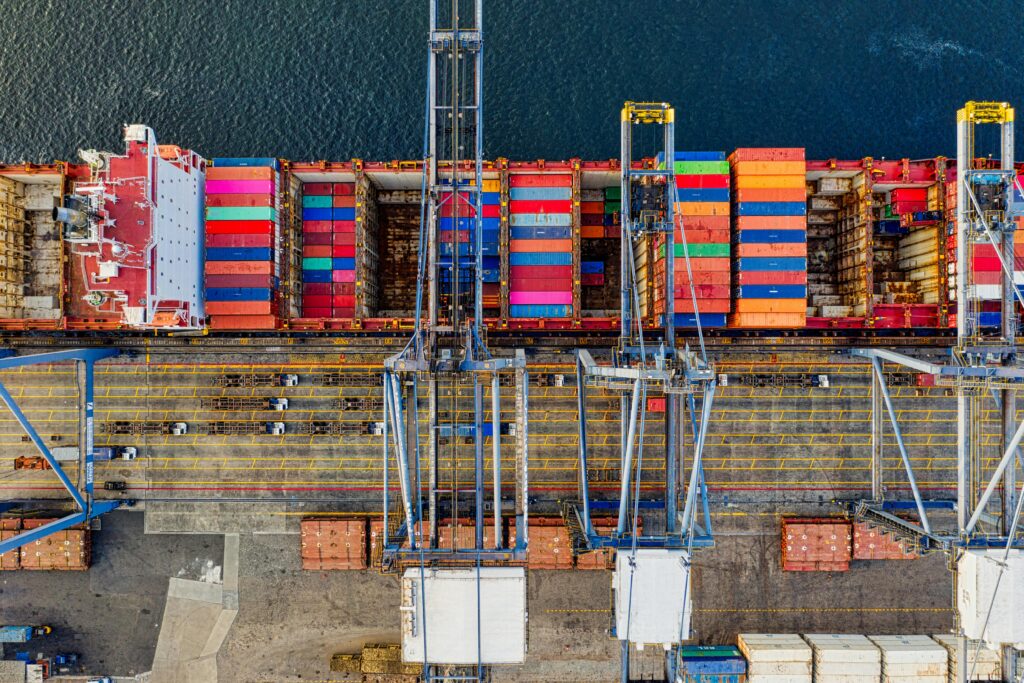
Several big sea freight routes connect Dubai to different Russian ports. These routes help move cargo fast. One main route goes through the Arabian Gulf and uses Jebel Ali Port. This way, businesses can send things to main places like Saint Petersburg and Novorossiysk. There is also the Caspian Sea route. This path makes it easy to send many types of goods, like heavy equipment and food that can spoil.

These important sea freight corridors have strong freight services. They help make shipping faster and cheaper. Shipping service companies trust these routes. They can move cargo while following customs regulations, so their clients get good service.

Air Freight Options and Leading Airlines

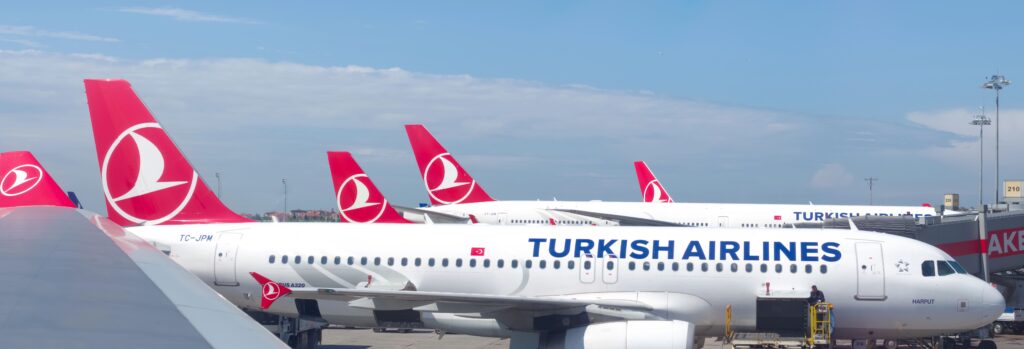
There are many air freight choices to move goods quickly from Dubai to Russia. Major airlines like Emirates SkyCargo and Qatar Airways offer air cargo services that work well for urgent shipments and larger loads. Using these major airlines can help make the customs clearance process faster and easier. This helps your goods follow the rules and makes customer satisfaction higher.

These cargo services often give you special options, like temperature-controlled plans for things that can spoil and help with hazardous materials. When you pick the right air cargo company, you know your shipping needs will be handled with utmost care. The whole process becomes smoother, and your items move across borders without problems.

Documentation for Customs Clearance

It is important to know about the main export and import documents for easy customs clearance. Some of the key papers are the commercial invoice, packing list, and bill of lading. These show what is in your shipment. Each document is there to prove you follow customs regulations.

Choosing between digital or old-style papers can change how well you handle the shipping process. Digital systems make it quicker to find and share documents. They also help the work go faster and smoother. Traditional papers, however, give you something to hold and store. If you use both, you get the best of both worlds. This way, you can be flexible and improve the shipping process.

Essential Export and Import Documents

A range of important documents is needed to make customs clearance easier during international shipping. The commercial invoice has the details of the deal, and the packing list tells the contents of each package. There is also a bill of lading, which shows proof of shipment and ownership. For some types of goods, a certificate of origin might be needed to show where the goods come from. You may also need special permits or licenses for certain goods so you follow all customs regulations. It is good to check all documents for errors. This can help the goods pass smoothly and lower potential delays with customs authorities.

Digital vs. Paperwork: Pros and Cons

New technology has changed how we handle customs clearance. There are some good points and some not-so-good points about the paperwork because of this change. Now, digital options help make things faster the way they give us easier access to the necessary paperwork, like commercial invoices and packing lists. But, there can be potential delays if there are problems with the online systems, and that can slow everything down. On the other hand, if we use traditional paperwork, it is there as a real back-up for us, but it usually takes more time in processing and submitting those papers.

Being able to pick between these two ways means that businesses can choose what fits their shipping needs the best. By doing this, they can keep up with customs regulations and also improve their work when it comes to international shipping.

Step-by-Step Customs Clearance Process in Dubai

Navigating the customs clearance process in Dubai takes a few key steps. At first, you need to get ready by putting together all the necessary paperwork. This means you should have the bill of lading, the commercial invoice, and the packing list with you. After you do this, you will need to turn in the entry declaration to the customs authorities. They need this so they can check if your shipment is following the local rules or not.

Once you hand it in, a physical check of your cargo is likely. The customs authorities want to see if everything you said you are shipping matches what is listed on your forms. After they approve, the goods get released and you can move them forward. When you follow this step-by-step customs clearance method, you lower the risk of potential delays. It helps you move your stuff with less worry and keeps your shipping on the right track.

Pre-Clearance Preparation

Careful planning before customs clearance can help make the shipping process to Russia much easier. Start by putting together all the needed documents, such as the commercial invoice and the packing list. Be sure these show the real contents of each package. Knowing the customs regulations for both the UAE and Russia is important. This helps you avoid potential delays and keeps everything in line with the rules. Bring a good freight forwarder into the process. Their know-how can help you handle specific requirements and get any special permits you may need. With the right plan and clear information, the shipment will move more smoothly. This keeps your cargo safe and helps boost customer satisfaction.

Physical Inspection and Release Procedures

When you get to Russian customs, physical inspections are a key part of the customs clearance process. The customs authorities check the cargo closely. They want to be sure everything follows the rules. They also look at the bill of lading and the packing list. If there is a difference between the paperwork and what they find, or if they see goods that are not allowed in, there can be potential delays. When customs officials agree that everything is right, they give a release order. This means your goods can go on to the next step. Being careful to complete the necessary paperwork and making sure all items meet legal requirements can help make the customs clearance process faster. Following these steps can help make international shipping go well.

Navigating Russian Customs Clearance

Getting through Russian customs clearance can be hard. You need to know how to fill out and give in the right documents. You will have to send an entry declaration that lists all the details about your shipment. Make sure you fill it out right and send it to the customs authorities. If you do not do this, there could be potential delays. You should also learn about the rules for your types of goods, since that can help make the customs clearance process go better.

When you start, try to handle the usual problems as soon as you can. For example, learn about customs duties and make sure your shipment meets all legal requirements. If you get ready ahead of time, you can go through Russian customs more easily. This will help make your international shipping experience smoother, and give you peace of mind.

Entry Declaration and Submission

The entry declaration is an important paper in the customs clearance process. It tells the customs authorities about the goods that are coming in. In this declaration, you have to list every item, say how many there are, what they are worth, and follow all shipping rules. When you fill out and send this paperwork to Russian customs in the right way, you follow the local laws and help avoid any costly holdups while the goods are moving. Paperwork like the commercial invoice and packing list need to be done right, too. If all these documents are clear and correct, it helps customs checks go quicker. This will speed up the customs clearance and help goods get into Russia faster.

Addressing Common Delays and Challenges

Dealing with customs clearance can slow down the shipping process and create problems. Many times, there is not enough paperwork. This could mean you are missing a commercial invoice or a packing list. If these papers are left out, it takes more time for the approval to go through. Also, if there are mistakes or differences in the entry declaration, customs authorities may look at your shipment more closely. This makes the transit time even longer.

It is important to talk clearly with freight forwarders and to know customs regulations well. These steps help lower the risks in the shipping process. You must have all necessary documents ready before you send anything. Being proactive in this way improves how things run and cuts down the chance that international shipping to Russia will have expensive delays.

Customs Duties, Taxes, and Fees

Knowing about the money you need to pay for international shipping helps make customs clearance easier. It is important to see the difference between customs duties, taxes, and fees, as these can change your total shipping costs. The types of goods, their value, and their origin all matter, and customs authorities check these when the goods arrive.

To find out the right tariff, you must know the current customs regulations. You also need the necessary paperwork, like a commercial invoice and bill of lading. If you plan ahead for any customs duties or other costs, the shipping process will go more smoothly. That way, you can get better logistics solutions with less trouble.

Calculating Applicable Tariffs

Figuring out the right tariffs means looking at a few things. This can be the type of goods and the HS codes they have. Every kind of cargo has to follow its own customs regulations. These rules decide how much duty you will have to pay. You also need to know if the items are personal belongings or if they are for business. This can change how the tariff gets worked out. The commercial invoice and the certificate of origin are key documents. If these are right, there is less chance of any potential delays, and it helps you follow all the rules. Getting help from freight forwarders with experience can also make things go smoother. They can help you understand shipping costs better.

Payment Methods and Deadlines

Paying for customs duties and fees is important for staying on track with deadlines in the shipping process. If you miss these payments, you may have slowdowns that are not needed. Most people use bank transfers, letters of credit, or online payment platforms. Each one offers different levels of security and can be more or less easy to use. Paying on time helps customs clearance go smoothly. It also helps build good connections with customs authorities. You need to know the payment deadlines set by customs regulations in Russia. This matters a lot if you ship perishable goods or have urgent shipments. It helps you stay on the right side of the rules and avoid extra penalties.

Risk Management and Insurance for Transit

Good risk management is very important for anyone who works in international shipping. Using strong cargo insurance options can help reduce the chance of losing money if something happens to goods during the shipping process. It is important to know the types of cargo, like perishable goods or heavy equipment, so you can pick the right cargo insurance. Looking closely at the risks for each shipment, like possible damage or theft, helps you cover every shipping need.

When you follow customs regulations carefully, your business can keep the shipping process running smoothly. This helps keep customers happy and makes your supply chain work better overall.

Types of Cargo Insurance Available

There are different cargo insurance options to fit different needs for people who ship things. All-risk insurance covers a wide range of things that might happen to the cargo. Named perils insurance covers only the risks that are listed in the policy. Total loss insurance is not used as much but covers only when the whole cargo is lost.

Because the world of global trade is so unpredictable, it is important to choose the right insurance option. This choice helps give peace of mind and protects you from losing money. Knowing about these insurance options can help you deal with the challenges that come with international shipping. If you strike the right balance, you can make sure your cargo insurance gives good protection for your shipping requirements.

Mitigating Risks During International Transit

Taking steps to handle risks during international transit means you must cover all angles to protect your valuable cargo. Using good insurance options can help keep you safe from losing money if there are any damages. Doing risk checks helps you find weak spots in the shipping routes you use.

Working with freight forwarders who know customs regulations and are good at finding new logistics solutions makes your shipment safer. It is also very important to keep talking clearly with your shipping partners and the customs authorities. This lets you deal with potential delays before they turn into bigger problems.

You and your team need to stay active in the shipping process. Make sure all needed paperwork, such as the bill of lading and commercial invoice, is right. This will help everything move well through strict customs clearance steps.

Leveraging Technology in Customs Clearance

Innovative technology has a significant role in making the customs clearance process faster and smoother. These tools help to make the shipping process clear, easy, and open for everyone. Electronic clearance systems are great at helping people follow customs regulations. They cut down on paperwork and help to keep delays to a minimum. Businesses now use online portals to send in the necessary documents, like commercial invoices and packing lists, more quickly.

Real-time shipment tracking gives people helpful updates about where their cargo is at all times. This information is very useful when trying to manage logistics solutions. When you can see updates on your shipping process, you are able to notice potential delays early. That way, companies can act quickly, and this helps everyone have peace of mind during the whole customs clearance process.

Using the latest technology is also important if you want to compete in global trade. It helps businesses to get ahead and to work with fewer problems and worries every day.

E-Clearance Systems and Online Portals

Digital platforms are changing the way customs clearance works. They make it faster to handle paperwork. E-clearance systems let people send all the necessary paperwork, like commercial invoices and packing lists, right to customs authorities in real-time. This helps to speed up the customs clearance process. It also cuts down on mistakes and helps you follow local rules.

Online portals give tracking tools that let people see where their shipment is at any time. By using these tools, businesses can have a better time with international shipping. They can make their work better and get through the customs clearance process with less trouble. This way, your logistics can become smoother and more efficient.

Real-Time Shipment Tracking Tools

Using real-time shipment tracking tools helps make the shipping process more open. These tools let businesses see where their cargo is while it moves using air freight or sea freight. They help companies get instant updates on both the location and status of shipments. This way, businesses can deal with any potential delays faster and be sure they follow customs regulations.

Real-time tracking also lets businesses talk better with everyone involved and helps improve customer service. When these tools are part of your work, they make things run more smoothly and keep the supply chain working well. In the end, businesses get peace of mind as they handle international shipping.

Building Successful Partnerships with Russian Importers

Building good partnerships with Russian importers depends on good communication and understanding what both sides need. To grow the relationship, you must share clear information about shipping requirements. This could mean talking about important papers like the commercial invoice and the certificate of origin. It is helpful to have regular talks to clear up customs regulations and to make sure everyone follows legal requirements. Doing this can also lower the risk of potential delays. If you show you are dedicated to customer satisfaction by giving reliable service, you help build trust. This trust can lead to working together for a long time. If you focus on being open and quick to respond, it will strengthen the partnership. This makes dealing with international shipping easier for everyone involved.

Communication Best Practices

Clear and simple communication is key when it comes to smooth customs clearance. Having one main person to speak to can help information move better between everyone, so there is less chance for mistakes. Giving regular updates about transit status and what documents are needed can stop potential delays during the shipping process.

Using digital tools like email tracking and project management software can help people talk to each other in real-time. Also, making sure all people involved know the right customs regulations and shipping requirements can lead to better teamwork and help us work well together. Putting good communication first leads to better operations and more customer satisfaction.

Ensuring Compliance on Both Ends

Making sure you follow the rules is very important for a smooth shipping process between Dubai and Russia. You need to listen to the customs authorities in both Russia and the United Arab Emirates. This can help you avoid delays that cost both time and money. It is important to know the specific requirements for documents, like a bill of lading and a commercial invoice. Each type of goods might need something different.

Hazardous materials and other special goods need extra care so there are no problems. If you work with a skilled freight forwarder, they can help you handle these legal requirements the right way. This will keep the shipping process easy, help keep your supply chain running well, and also help keep customer satisfaction high.

Conclusion

Using strong customs clearance strategies is key for good international shipping. This is very true when sending goods between Dubai and Russia. You need to know the rules about restricted and banned items. It’s also important to get all the papers ready with care. This can help you cut down on potential delays.

Picking the right freight forwarder can help make the shipping process better. The right freight forwarder has local know-how. This helps things move along faster and smoother.

To get peace of mind with global trade, it's smart to focus on every part of the shipping process. This means looking at customs duties, following every rule, and getting good cargo insurance. If you have a clear plan with all these steps, your goods will move with less trouble even when trade rules keep changing.

Frequently Asked Questions

What are the main documents required for customs clearance between Dubai and Russia?

The main documents you need for customs clearance between Dubai and Russia are a commercial invoice, a packing list, a bill of lading, a certificate of origin, and import or export permits. You should make sure every document is correct. This helps make the process go well and follow all customs regulations in both countries.

How long does customs clearance typically take for shipments to Russia?

Customs clearance for shipments to Russia can take different amounts of time. Sometimes it may be done in just a few days, but other times it can take several weeks. The timeline depends on things like if your documents are filled out the right way, what kind of goods you are shipping, and if customs authorities want to check them. It is important to get ready and make sure everything is correct to speed up the process.

Which goods commonly require special permits for export from Dubai to Russia?

Goods that need special permits for export from Dubai to Russia often include things like pharmaceuticals, hazardous materials, firearms, and cultural artifacts. Some items that are under intellectual property rights may also need their own permits. You should always look at the most current rules to make sure you are following them.

Can I track my shipment in real-time during transit?

Yes, you can keep track of your shipment in real-time as it moves. Freight forwarders and shipping companies give you advanced tracking tools for this. These tools let you see your shipment's location, the estimated delivery time, and possible delays. This way, you get updates at each step of the shipping process and know what is going on at all times.

What are the consequences of non-compliance with customs regulations?

Not following customs regulations can bring you big problems. You may get hit with large fines. There can also be long delays while your shipments wait to clear. Your goods might even get taken away. This can hurt your business’s good name. It could mean you miss out on deals in the future, too. There may also be legal trouble. This could end up having a big effect on the way you work.

Import of Food Items from Europe: Customs Clearance in Dubai 

Importing food items from Italy to Dubai requires compliance with Dubai Customs and Dubai Municipality regulations, including legalized health and halal certificates. Engaging a licensed **customs broker in Dubai** streamlines documentation, inspections, and clearance, reducing delays. Precise labeling, product registration, and adherence to UAE safety standards are critical for successful customs clearance.
Importing food items from Italy to Dubai requires compliance with Dubai Customs and Dubai Municipality regulations, including legalized health and halal certificates. Engaging a licensed customs broker in Dubai like Interlink freight Agency Customs Broker streamlines documentation, inspections, and clearance, reducing delays. Precise labeling, product registration, and adherence to UAE safety standards are critical for successful customs clearance.

Key Highlights

Let’s explore how to navigate these processes, starting with an introduction to food import in Dubai.

Introduction

Navigating international trade can be tricky. It’s important to understand different rules and protocols, especially when it comes to importing food items. If you want to bring food products from Europe into Dubai, knowing the customs clearance procedures is key. This process helps you meet food safety laws set by local authorities like the Dubai Municipality. It also helps make sure your goods move smoothly through customs. As the UAE is tightening its food import regulations, understanding these rules is necessary for a successful food import business in this lively market.

Overview of Food Import Regulations in Dubai

Understanding the food import regulations in Dubai is very important for businesses that want to do well in the food trade. The main authorities involved are the Dubai Municipality and the Emirates Authority. They make sure businesses follow food safety laws. Recently, changes in policies have made rules stricter. There is now more attention on imported food items. Businesses must follow health certificates, packing lists, and certificates of origin more closely. It is important for them to keep up with these changes to manage customs clearance smoothly and effectively.

Key Authorities and Regulatory Bodies

In Dubai, the system for food import regulations is complex. There are several important authorities that ensure food items are safe and comply with the rules. The Dubai Municipality is key to this process. They check that all food items meet strict safety standards. The Ministry of Health is also important as it checks health certificates and the quality of imported food products. The Department of Economic Development looks after business activities. The Emirates Authority for Standardization and Metrology sets quality standards. Working with these relevant authorities is essential for a smooth customs clearance process when trading food.

Recent Changes in Food Import Policies

Significant changes are happening in Dubai's food import policies. The aim is to improve food safety and make trade easier. The Dubai Municipality has updated its rules. They focus on making sure that imported food products meet international safety standards. There are now stricter rules for health certificates and quality checks. This helps reduce risks from perishable goods. A new central digital platform has also been introduced. This will make the customs clearance process simpler. It will help food import businesses and improve the overall efficiency of the supply chain.

Required Documentation for Importing Food Products

Essential documentation is very important for bringing food products into Dubai. You need a commercial invoice, bill of lading, and a trade license. A packing list is also necessary. This packing list should show what is inside each shipment. If you are importing European food items, you must get a certificate of origin and health certificates that follow Dubai's food safety rules. Other important documents may include a delivery order and an airway bill. These help make sure that all relevant authorities are happy during the customs clearance process. Following these steps will help you avoid delays and extra costs.

List of Essential Documents Needed

A complete set of documents is very important for successfully importing food into Dubai. This includes the commercial invoice, which shows the transaction details. You also need a packing list that describes the contents of the shipment. A bill of lading is important too, as it confirms the transport logistics.

A certificate of origin is needed to show the country of origin for the food items. Health certificates are required to guarantee quality standards. Don't forget to submit a customs declaration to follow Dubai customs rules. This is necessary for smooth customs clearance of imported food products.

Special Documentation for European Food Items

Importing food items from Europe needs certain documents to follow customs rules. A health certificate from the right authorities in the country of origin is very important. This paper proves that the food products are safe and meet quality standards. You might also need a certificate of origin to show where the product was made. Other important documents include a commercial invoice, packing list, and a bill of lading. These documents give details about the food consignments being shipped. Making sure all the paperwork is correct and complete helps with customs clearance.

Understanding Customs Clearance Procedures in Dubai

Navigating customs clearance in Dubai can be challenging. You need to know the customs rules and procedures. An organized way will help make importing smoother. It is important to follow safety standards and meet the rules set by the Dubai Municipality and the Ministry of Health. You should understand the customs declaration needs like the commercial invoice and bill of lading. This knowledge is key to speeding up the release of imported food items. Hiring a good customs broker can make things easier. They can help avoid common mistakes and the extra costs that come with them.

Step-by-Step Customs Clearance Process

Navigating the customs clearance process in Dubai has some important steps. First, you need to submit a customs declaration. This should include details about the value and type of the imported food items. You will also need to provide a commercial invoice, a bill of lading, and a packing list. After this, Dubai Customs will review your documents to check for food safety regulations and other standards.

Once the inspection is done, customs duties and fees are calculated using the transaction value method. The last step is to get a release order. This order lets the imported goods be delivered to the right location.

Role of Dubai Customs in Food Safety

Dubai customs is very important for keeping food safe and following health rules for imported food items. They work hard to apply food safety laws and carry out careful inspections. This helps protect public health. Every food shipment is closely checked to ensure it meets quality standards and expiration dates. Dubai customs also works with other relevant authorities, like the Dubai Municipality and the Ministry of Health, to make sure rules are followed properly. This teamwork helps keep the food trade accountable, reduces risks in the import process, and ensures that only safe food products reach consumers.

Specifics About Importing Dairy and Meat Products from Europe

Strict rules control the import of dairy and meat products from Europe. They require health certificates and quality checks. Each shipment must have a packing list and a certificate of origin. This shows that they follow the food safety rules set by Dubai customs. The Ministry of Health and other relevant authorities enforce these standards to make sure products meet safety benchmarks. Knowing these requirements is key for any food import business. It helps them have a smooth customs clearance process and deal with the challenges of the food industry in the UAE.

Health Certificates and Quality Checks

Food items brought in from Europe must meet strict health and quality checks. This is important to ensure they follow safety standards. The Ministry of Health requires a health certificate. This certificate proves that the product has been checked and is safe to eat. It usually goes along with the customs declaration when the goods arrive at Jebel Ali Port or Dubai International Airport. Meeting these quality standards helps prevent foodborne illnesses. It builds trust in imported food products and protects public health in the UAE. Following these rules is necessary for customs clearance to go smoothly.

Packaging and Labeling Requirements

It is important to follow the packaging and labeling rules for food items imported from Europe to Dubai. This helps with food safety and keeping products authentic. Labels must show important details like the product name, country of origin, expiry dates, and required certifications. Having clear and easy-to-read labels helps make customs clearance smoother and builds consumer trust. Packaging must also meet safety standards to keep perishable goods safe during transport. Importers should pay attention to the rules set by Dubai Municipality and the Ministry of Health to avoid extra customs fees or delays in clearance.

Importing Plant-Based Products and Produce

The rules for importing plant-based products to Dubai are strict. You need to follow phytosanitary regulations. This means you must have a health certificate and other specific papers that show the safety and quality of the goods. These documents make sure that imported goods meet local safety standards. Also, it is important to follow handling and storage rules to keep perishable goods fresh during transport. Having a detailed packing list is crucial. It can help businesses lower the risks linked to customs clearance.

Phytosanitary Regulations and Certifications

Phytosanitary regulations are very important for keeping agriculture safe in the UAE. When plant-based products are imported, they must meet certain certifications. These certifications show that the products are free from pests and diseases. The relevant authorities, like the Ministry of Climate Change and Environment, need a Phytosanitary Certificate from the exporting country. This certificate proves that the products follow safety standards. It is essential for customs clearance at places such as Jebel Ali Port. By following these rules closely, importers can avoid delays and make sure their food consignments follow the UAE's strict food safety laws.

Handling and Storage Compliance

Complying with the rules for handling and storing food is very important when importing food items from Europe. Imported food products need to be kept in clean conditions that ensure food safety and follow quality standards. It is key to control the temperature, especially for perishable goods, to avoid spoilage and meet health certificate needs. Proper labeling is also important. The product name and expiry dates should be clearly shown to help trace the products. By knowing the local rules from Dubai Municipality and the Ministry of Climate Change, food traders can follow compliance rules. This will protect public health and improve their business's reputation.

Duties, Taxes, and Tariffs on European Food Items

Navigating the rules for duties, taxes, and tariffs on European food items is not easy. It requires a good understanding of the details involved. Customs duties can change based on the country of origin and the type of product. They also consider costs like freight and insurance (CIF) value. The UAE government sets these rates. They make sure that safety standards are met and fair trade is encouraged. Additionally, agreements by the Gulf Cooperation Council (GCC) can affect tariffs and allow tax exemptions for some food products. Working with a helpful customs broker also known as a Customs Clearance agent can make it easier to understand these rules and save money.

Calculating Customs Duties for Different Food Categories

Customs duties for imported food items can change a lot based on the type of food. This is due to international trade agreements and the rules in Dubai. Each food product gets a special code called a Harmonized Code (HS code). This code helps to decide the duty rates. The country of origin, value of goods, and kind of food items impact these rates. Using a customs broker can help make this process easier. They ensure you follow Dubai customs' rules and may help cut down on extra costs. It is important to submit correct documents like invoices and delivery orders, as they are key in this financial process.

Possible Tax Exemptions and Reductions

There are different tax exemptions and reductions for imported food items in Dubai. These can help businesses save money. The UAE government wants to support food import businesses. They offer incentives, especially for high-quality perishable goods that come through Jebel Ali Port or other free zones. To qualify, businesses need to meet certain criteria. They must follow safety standards and have the right paperwork, like bills of lading and health certificates. Hiring a customs broker can make it easier to understand these tax rules and save more during the import process.

Technologies Used in Customs Processes

The use of new technologies in customs has changed how things work, making operations quicker and clearer. Automation is very important for checking documents. It helps reduce mistakes by people and speeds up the import process. Blockchain technology improves transparency in the supply chain. It allows real-time tracking of imported food items from Europe. This helps make sure everything meets quality standards and food safety rules.

These new tools let everyone work well with authorities like Dubai Customs and the Ministry of Health. This way, all customs clearance steps meet the strict rules of the UAE government.

Automation in Document Verification

Modern customs processes are using automation more and more. This helps to improve how quickly documents are checked. Automated systems can quickly look at important papers like commercial invoices, health certificates, and certificates of origin. They make sure these documents follow food safety rules and quality standards. This technology reduces mistakes that people might make. It makes the customs clearance process easier at important places such as Dubai International Airport and Jebel Ali Port. Plus, real-time data flow improves transparency. It lets people see how well they are following customs authorities and rules during the import process for food items.

Blockchain for Supply Chain Transparency

Using blockchain technology in the food import business makes the supply chain more open. This new method helps track food products from their country of origin to their final delivery at Jebel Ali Port or Dubai International Airport. By making an unchangeable record, stakeholders can check the quality of food consignments and ensure they meet quality standards and food safety laws. Also, blockchain helps speed up customs clearance by cutting down on paperwork. This can reduce delays and the extra costs linked to not following the rules. Adopting this technology is important for the future of food trade in the Middle East.

Strategies to Ensure Smooth Customs Clearance

Making customs clearance easy involves a few smart steps. Working with skilled customs brokers can help a lot. They know a lot about the changing food import rules and customs processes. Getting pre-clearance approvals is also helpful. It lets importers check if they meet the Dubai customs rules and the requirements from relevant authorities before shipping. This early check reduces the chance of delays. It also makes handling imported food products faster and smoother. This helps the food import business succeed in the competitive Middle Eastern market.

Engaging with Experienced Custom Brokers

Navigating food import rules can be tricky. It is often smarter to get help from experienced customs brokers. These professionals have a strong understanding of Dubai customs. They know the paperwork needed for smooth imports. Their knowledge about safety standards, health certificates, and customs duty can help you save time and money. Working with a trusted customs broker means you will follow the rules set by relevant authorities. This helps reduce delays and problems during shipping. In the end, their help makes the import process work better, which gives peace of mind to food businesses wanting to enter the UAE market.

Pre-clearance Approvals and its Benefits

Securing pre-clearance approvals makes the import process for food items in Dubai easier. This approach helps reduce delays. Customs authorities can review paperwork like health certificates and commercial invoices ahead of time. By following Dubai customs regulations before shipping, businesses can lower the chances of surprise customs duty fees. This will help them deliver perishable goods faster. Also, pre-clearance helps meet food safety laws. It makes sure that the imported food products meet the strict quality standards set by the relevant authorities, including the Dubai Municipality and the Ministry of Health.

Common Issues and Resolutions in Customs Clearance

Frequent problems with customs clearance often cause delays or detentions. This can slow down the import process. It is important to understand Dubai customs rules and have the right papers, like the commercial invoice and health certificate. This helps avoid issues. Misclassifying goods can add extra costs. So, using the correct product name and proper HS codes is key for easy transactions. Hiring experienced customs brokers can help you overcome these challenges. They ensure you follow food safety rules and meet the requirements set by relevant authorities.

Dealing with Delays and Detentions

Navigating delays and hold-ups during customs clearance can be very frustrating for people who import food items. Some common reasons for these delays are missing documents, problems with health certificates, or mistakes in the commercial invoice.

To speed things up, it's helpful to communicate early with Dubai customs authorities and quickly fix any issues. Knowing the specific customs procedures and rules can also help reduce potential delays.

Hiring a good customs broker can make things easier too. They help with following food safety standards and ensure goods move through customs checkpoints without issues.

Addressing Misclassification of Goods

Misclassifying goods can slow down the customs clearance process. This leads to delays and possible fines. It's important to classify items correctly using HS codes to follow Dubai customs rules. Properly identifying each imported food item can help avoid extra customs fees and meet safety standards. Working with a skilled customs broker can help check goods accurately and make the import process easier. Also, regular training on classification practices for transport and handling teams can improve compliance with these rules.

Future Trends in Customs Clearance

Emerging technologies and new rules are set to change customs clearance for food imports in Dubai. Better automation will make it easier to check documents. This can lower the chances of human error and speed up clearances. Using blockchain technology will help make supply chains open, which allows for real-time tracking of imported food items. In addition, government actions may lead to more flexible rules. These changes will match international trade standards and make imports easier. Not only will this reduce the burden of customs duties, but it will also improve compliance with food safety laws. This way, high-quality standards will be maintained for food items.

Predictions on Regulatory Changes

You can expect stricter rules and better monitoring for imported food items. Regulatory groups may set tougher food safety laws. This change comes from higher health standards and an increase in consumer awareness. New technology, like automated document checks and blockchain, could make the import process easier and improve transparency. As people want more sustainable food practices, policies on environmental standards and organic certifications may change too. These updates could greatly alter food trade within the Gulf Cooperation Council. They will help ensure better safety and quality for consumers.

Technological Advancements in Customs Operations

Modern customs operations now use new technology to make things faster and more accurate. Automated systems help customs clearance by sharing data. This allows for real-time tracking of imported food items through the Dubai Trade Portal. Also, advanced analytics help monitor compliance, making it easier for customs authorities to follow food safety laws. Technologies like blockchain are becoming popular because they provide transparency in managing the supply chain of food products. These innovations speed up the import process and build trust in food safety and quality standards.

Conclusion

Navigating food imports from Europe to Dubai can be complicated. You need to understand customs clearance, legal rules, and the documents needed. Working with experienced customs brokers can make this easier. They help comply with food safety rules and reduce delays. As international trade changes, it's important to stay updated on new regulations and technologies. This knowledge is key for food import businesses that want to be efficient and successful. A proactive approach will help ensure smooth transactions and improve the trustworthiness of imported food items in the market.

Frequently Asked Questions

What are the most common reasons for customs delays for European food items?

Customs delays for food items coming to Europe usually happen because of missing paperwork, wrong labels, and issues with health certificates. Also, the need to strictly follow local rules and inspections can cause unexpected delays. This can make it harder to clear goods through Dubai customs in time.

How does Dubai ensure the safety of imported food products?

Dubai keeps imported food products safe with strict rules put in place by the relevant authorities. This includes detailed health inspections, quality checks, and following international standards. Ongoing checks and certification processes help protect consumer health and ensure high food safety standards throughout the emirate.

Can organic food items from Europe receive faster clearance?

Yes, organic food items from Europe can get faster customs clearance in Dubai. This happens because of simpler rules and certifications. These show that the food meets health and safety standards. This allows for quicker processing while making sure the quality of imported goods is maintained.

Are there any specific packaging guidelines for dairy products?

For dairy products, there are clear packaging rules. You need to use materials that keep the food safe and fresh. Package labels must show expiration dates and follow the rules for keeping the right temperature. Also, labels should have all the required details about ingredients and nutrition.

What are the penalties for non-compliance with food import regulations in Dubai?

Not following the food import rules in Dubai can lead to serious punishments. This includes large fines, taking away goods, and possibly suspending import licenses. In very serious situations, criminal charges could be brought against people or businesses that break these rules.


https://interlinkgulf.com/import-food-items-europe-italy-dubai-customs/ #CustomsBrokerinDubai #DubaicustomsClearance #DubaiCustomsBroker #DubaiCustomsclearance #FoodimportlawsinDubai https://interlinkgulf.com

How to Get Your Car Customs Cleared from Dubai Customs 

Dubai-customs-clearance-of-cars-from Jebelali

Understanding the car import process in Dubai can seem daunting, especially for expatriates or importers new to the region. From understanding regulations to ensuring all paperwork is in order, the customs clearance process is pivotal in bringing your car into Dubai legally and smoothly. This guide provides a comprehensive breakdown of how to get your car customs cleared from Dubai Customs efficiently, ensuring compliance while saving time and minimizing costs.

Understanding Dubai Customs

Dubai Customs plays a critical role in regulating the import and export of goods, including vehicles, into Dubai. Their primary responsibilities include:

Adherence to Dubai Customs regulations is essential for import of cars. Non-compliance can result in penalties, delays, or even confiscation of the vehicle. It’s crucial to familiarize yourself with the process and requirements before initiating the import.

Customs Clearance Options

Dubai offers several clearance points for car imports:

Preparing for Car Customs Clearance

Being prepared is critical to a hassle-free experience with customs. Here’s what you’ll need to ensure everything is in order:

Documents Required for Customs Clearance

Before starting the clearance process, gather the following documents:

Tips for a Smooth Process

Preparing everything in advance reduces delays and ensures smoother interaction with Dubai Customs officials.

The Dubai Customs Clearance Process

Once you have all your documents, follow these steps to clear your car through Dubai Customs:

Step 1: Contact a reputable customs broker in Dubai

General public and one time importers may not have full access beyond the Jebelali port gate or may not have access to the clearance related digital infrastructure. A skilled customs broker ensures smooth import processes by handling documentation, compliance with UAE customs laws, and facilitating efficient clearance of goods. With extensive knowledge of local regulations and international trade standards, they help minimize delays, reduce costs, and mitigate risks associated with customs-related issues. By choosing a trusted and experienced customs broker, businesses can focus on their core operations while leaving the intricacies of customs procedures to the experts.

Step 2: Submit Required Documentation

Provide all necessary documents to the customs broker in Dubai. Ensure the documents are clear, accurate, and meet all requirements.

Step 3: Pay your Dubai Customs broker

The standard customs duty for vehicles in Dubai is 5% of the car's valuation as determined by Dubai Customs. Federal Tax Authority charges additional tax of 5% as VAT. Additionally, there would be shipping liner related charges, port related charges, Ministry of foreign affairs (EDAS2.0) charges, Inspections related charges, recovery transport charges and the broker fee.

Step 4: Inspections arranged by the Dubai customs broker

The vehicle will be inspected at its point of entry (e.g., Jebel Ali Port or Dubai Airport Customs) to verify compliance with UAE standards.

Step 5: Release and Registration

Once dubai customs duties, taxes and brokers invoice's are paid, the vehicle passes inspection, the customs broker proceed with customs clearance. Obtain a vehicle clearance certificate (VCC) and register your vehicle with the Roads and Transport Authority (RTA) to legally drive it in Dubai.

Common Challenges and How to Overcome Them

Understanding Customs Fees and Taxes

The cost of clearing a vehicle through Dubai Customs depends on several factors:

  1. Customs Duty:
  1. VAT (Value Added Tax):
  1. Other Fees:

Tips for Minimizing Costs

Understanding the breakdown of these charges can help you budget effectively.

Best Practices for a Smooth Clearance Process

Whether you’re an experienced importer or clearing your car for the first time, these tips can help streamline your customs clearance:

Choose a Trustworthy Customs Clearance Agent

Working with a licensed and reputable customs clearance agent simplifies the process. They can:

Agents specializing in Jebel Ali Port Customs Clearance or Dubai Airport Customs Clearance will have specific expertise to expedite the process.

Avoid Common Mistakes

Stay Updated on Dubai Customs Regulations

Customs policies can change. Regularly check with your Dubai Customs broker for updated guidelines.

Why Proper Customs Clearance Matters

Successful car customs clearance ensures compliance, avoids delays, and protects your investment. A well-executed process allows you to focus on enjoying your car rather than navigating bureaucratic challenges.

If you’re planning on importing a vehicle through Dubai Customs and need expert assistance, share your experience or connect with a reliable agent to make the process as seamless as possible.

Interlink Freight Agency Customs Broker – Seaport & Airport Customs Clearance | Import & Export Clearing Agents Dubai

Interlink Freight Agency Customs Broker
Dubai International Airport, Cargo Mega Terminal, Cargo Village
Dubai, United Arab Emirates
https://interlinkgulf.com/
Email: info@interlinkgulf.com
Call: +971557910800

https://interlinkgulf.com/how-to-get-your-car-customs-cleared-from-dubai-customs/ #Uncategorized #BestCustomsbrokerinDubai #customclearanceagentsindubai #Customsbrokerdubai #DubaiCustomsclearance https://interlinkgulf.com

Importing from China: Tax-Free Transshipment to the USA at Dubai 

tax free import clearance from China

Key Highlights


Introduction

Trade between countries is very important for the global economy. Dubai has become a major place for international trade. It provides strong supply chain solutions and offers tax-free options for shipping goods. This makes Dubai a great stop for products coming from China to the USA. The UAE has customs policies that help goods move easily. It also has a modern logistics system. This helps businesses run smoothly and stay within the rules. The next parts will show the processes and benefits of Dubai as a transshipment hub.

Understanding Tax-Free Transshipment Through Dubai

Tax-free shipping through Dubai takes advantage of the UAE's well-known free zones. When you send goods from China to the USA through Dubai, you lower customs duties and VAT. You also speed up the customs clearance process.

Dubai is in a great location that makes moving cargo easy. It connects Asia, Europe, and North America. Big ports like Jebel Ali and excellent airports help with logistics. You can also enjoy lower costs, easier customs processes, and safe warehousing to support your business.

What is Transshipment?

Transshipment is when cargo is moved from one transport type or ship to another while heading to its final destination. In Dubai, this process is supported by a great logistics network. Key spots like Jebel Ali Port and Dubai International Airport help send cargo around the world quickly and easily.

One big benefit of transshipment in Dubai is its role as a worldwide trade center. Dubai is well-known for its free zones, which offer tax breaks and lower customs duties. This can lead to significant savings for businesses involved in international trade.

Also, transshipment helps improve your supply chain by reducing delays and customs issues. By using Dubai as a hub, you can lower transit costs and boost efficiency. This makes Dubai a great place for handling complex global shipments and staying compliant with rules.

Benefits of Using Dubai as a Transshipment Hub

Dubai is a top choice for international cargo shipping because it offers many benefits:

Dubai also has major airports like Abu Dhabi International Airport and Al Maktoum International Airport, which work well with Jebel Ali and Khalifa Port. The free zones have less paperwork and new technology. This makes your cargo journey faster and saves you money.

Key Processes in Transshipping Goods from China to Dubai

Transshipping goods through Dubai has two main points: preparation and operational logistics. First, you need proper documentation. This includes the bill of lading, certificate of origin, and import/export permits. These documents help with customs clearance.

Operational logistics focuses on storing, moving, and handling cargo. Handling agents at ports like Jebel Ali make sure shipments move smoothly from arrival to export, especially to the USA. The systems in place aim for efficiency. They protect goods and make compliance easier.

Documentation Required for Transshipment

Documentation is very important for a successful transshipment operation in Dubai. Make sure you have these:

Dubai’s authorities use advanced tools to make calculating customs duties easier based on the CIF value. Whether you are working in free zones or following broader UAE customs rules, having the right documents helps you follow the rules and lowers risk. Getting these documents ready in advance can help avoid shipping delays and make the process smoother.

Handling and Storage of Goods in Dubai

Efficient cargo handling and storage play a key role in Dubai's transshipment operations. The facilities at Jebel Ali Port provide secure places with controlled temperatures and modern warehousing that meet your cargo's needs.

Freight forwarders help move goods by making sure they are unloaded properly, go through customs checks, and are stored well before they are sent on. Jebel Ali’s strong connections ensure there are few interruptions from storage to shipment.

Dubai’s ports and airports use the latest technology to manage goods, making processes easier. There are many chances for quick storage changes, which makes Dubai a top choice for logistics.

Legal Framework Governing Transshipments in Dubai

The legal system in the UAE makes it easy for cargo to move through Dubai. Free zones follow special rules that remove customs duties and VAT on goods that are transferred. This helps international exporters operate smoothly.

In addition, the Federal Tax Authority teams up with customs agencies to make sure people follow the rules in the GCC countries. As rules change to keep up with more trade, Dubai stays a great place for transshipment. It provides stability and economic benefits.

Dubai's Customs Regulations

Dubai's customs rules make transshipment easier. Cargo that enters UAE free zones does not have VAT or customs duties, as long as the goods stay within these zones. For exports, where the recipient is located determines the taxes.

Customs clearance in Dubai is all about getting things right. Importers need to submit detailed documents. This includes a packing list and a transport certificate, especially at customs centers like Jebel Ali Port. The regulations help make sure everyone follows the rules while speeding up the movement of cargo.

Knowing Dubai’s customs laws helps with smooth transit. It also supports success in logistics.

International Trade Laws Affecting Transshipment

International trade laws affect transshipment operations in Dubai, especially with GCC nations. Certain agreements provide good terms for import/export. This ensures that the cargo passing through Dubai follows the UAE’s tax-free transit rules.

Dubai authorities need businesses to work closely with customs and the Federal Tax Authority, especially for valuable goods or taxable supplies. Export rules change from time to time, so businesses must stay updated.

Global rules make operations easier, helping Dubai be a trustworthy place to gain economic benefits and overcome trade barriers.

Cost-Effective Strategies for Transshipment

Reducing costs is very important in international trade. Dubai’s free zones help remove VAT and customs duties, which quickly cuts down expenses. Plus, using storage at big UAE ports, such as Jebel Ali, improves cost savings.

Choosing between air freight and sea shipment is also key. Each option has different benefits in cost and speed. With efficient operations, Dubai helps businesses find affordable options without putting cargo safety at risk.

Comparing Air and Sea Freight Costs

Choosing between air and sea freight depends on your budget, how fast you need it, and the type of cargo. Here’s a simple comparison:

Freight Type Cost per Unit Transit Time Cargo Suitability
Air Freight $6.00/kg 2–4 days Urgent, light goods
Sea Freight $1000/40HC 14–18 days Bulk, heavy shipments

Air freight costs more but gets your items there quickly, making it perfect for urgent needs. Sea freight is cheaper for large shipments but takes more time. Finding the right balance between urgency and cost helps improve your operations.

Reducing Overhead Costs in Transshipment Operations

Reducing overhead costs comes from three main strategies. First, using free zones cuts out VAT and customs duties. This is important for saving money.

Second, using automation at Jebel Ali Port or Emirates hubs makes loading and unloading quicker. This helps avoid delays and lowers operating costs. Lastly, we can improve supply chain efficiency by keeping proper paperwork and working with skilled freight forwarders. They know how to handle UAE customs well.

By focusing on simpler processes, we can keep costs lower over time.

Technologies that Enhance Transshipment Efficiency

Dubai uses technology to improve how cargo is handled. Smart tracking systems provide real-time updates on goods. This helps to reduce delays. Automated sorting makes things run smoother in warehouses.

From digital management systems to port automation, Dubai’s logistics setup meets the changing needs of international trade. Companies that use these technologies experience better accuracy and smoother workflows for their shipping activities.

Tracking and Management Systems

Dubai’s smart tracking and management systems make it easy to keep an eye on cargo. Real-time tracking gives updates about shipments. It also keeps things clear and open.

These systems use RFID technology for better visibility of assets. Freight forwarders use automated software to link ports like Jebel Ali with big cargo airlines. This helps them predict arrival times more accurately.

Dubai’s tech-focused methods help businesses work more efficiently. They also follow international trade rules, which is great for large global operations.

Automation in Handling and Sorting

Automated systems are very important in sorting and handling freight. Dubai uses AI-powered tools to sort and track goods moving through Jebel Ali Port.

With robots in warehouses and good sorting belts, automation helps save money on labor and boosts the accuracy of cargo checks. Free zones adopt these systems to keep accurate inventory in their warehouses.

Automation also lowers human mistakes in shipping. This encourages businesses with complex supply chains to take advantage of resources in Dubai.

Challenges and Solutions in Transshipment Operations

Managing transshipment can be tricky. It's often when delays happen, rules change, or there are worries about storage safety. Dubai handles these problems with careful planning and the use of technology.

Well-run port operations and smart risk management systems help keep things running smoothly. This way, businesses can count on Dubai’s strong infrastructure to deal with trade challenges and make sure everything follows the rules without stress.

Dealing with Delays and Disruptions

Operational disruptions in moving goods often happen because of sudden weather changes or problems with paperwork. Dubai deals with these issues by using plans that focus on shipping goods that need to arrive quickly.

Freight forwarders in Dubai have alternative routes to manage delays. They also use monitoring tools at Jebel Ali and major airports to keep track of shipments.

With smart plans and modern facilities, Dubai provides reliable solutions to handle interruptions in trade operations.

Ensuring Security and Compliance

Keeping security in transshipment is very important. Dubai uses encryption technologies and secure warehouses to stop theft or damage.

UAE customs set rules that need careful documentation. This helps ensure that businesses follow GCC regulations. Companies in free zones face fewer red tape while still meeting legal needs.

Strong security and compliance measures build Dubai’s image as a world leader in transshipment for all industries.

Conclusion

Importing goods from China to the USA using tax-free transshipment in Dubai is a smart choice for businesses. It helps them save money and improve their logistics. To do this well, businesses need to understand the steps involved. This includes knowing about required documents, how to handle goods, and following legal rules. Dubai is a key place for transit, and companies can use its advantages. By adopting new technologies and preparing for challenges, they can make their transshipment operations more efficient. If you want to improve your import plans and find effective solutions, contact our experts today for a free consultation.

Frequently Asked Questions

Can my customer use the transshipment shipping documents to track the shipment from origin after the cargo is transloaded in Dubai?

No, customers cannot track the shipment from the origin. The import process is halted at Dubai, and a completely new process begins during transshipment. Tracking is only available from Dubai onward.

How do I start transshipping goods through Dubai?

To start transshipment through Dubai, you need good documents like the bill of lading, certificate of origin, and packing list. It’s helpful to work with an experienced freight forwarder. They can help you with logistics and UAE customs. This makes the process easier. Most operations begin at Jebel Ali Port.

What are the tax implications for transshipping to the USA?

Transshipping goods through Dubai has low tax impacts. Items in free zones do not pay UAE VAT or customs duties. When these goods leave for shipment to the USA, taxes will follow the local customs rules for imports at the destination.

Can all types of goods be transshipped via Dubai?

Not every item can be sent through Dubai. Some restricted items are dangerous materials that are banned, fake products, and things that need special permits (like controlled drugs). You should check if you follow UAE rules before starting your operations.

https://interlinkgulf.com/importing-from-china-how-to-transship-at-dubai-tax-free/ #LogisticsTransportation #DubaiCustomsclearance https://interlinkgulf.com

Dubai Food Import customs clearance Regulations : A guide for Gulfood Participants 

GulFood Exhibition customs clearance in Dubai
GulFood Exhibition customs clearance

Key Highlights

Introduction

Dubai is an important center for the food and beverage industry. It hosts the famous GulFood Exhibition, which attracts many participants from different countries. This event offers great chances for global food businesses to show their products and meet potential buyers in the UAE and the rest of the Middle East.

For exhibitors, it's important to know Dubai's food import rules and customs clearance processes. They must get the right trade licenses and follow all legal requirements to have a successful experience at this global event.

Understanding Dubai's Food Import Regulations

Dubai is a top importer of food products. and pharmaceuticals. It serves a diverse and international community. This means there are strict rules to keep everyone safe and to uphold high standards in the food industry. The import process comes with specific guidelines set by different regulatory groups.

These rules cover many areas. They include food safety, labeling guidelines, allowed additives, and packaging needs. Knowing these rules helps businesses make sure their products meet UAE requirements. This knowledge can prevent delays or rejects during customs clearance.

The Importance of Compliance for Gulfood Exhibitors

For businesses in Gulfood, following Dubai's food import rules is very important. It is not just something they have to do by law. It affects how they show their products, get deals, and build a good reputation in this strong market. If they do not follow these rules, they might face delays in shipping, rejected products, fines, or damage to their reputation.

Dubai focuses on food safety, so the rules are strict. Exhibitors need to understand these rules well. They must make sure their products follow health and safety standards. This means getting the right certifications, using allowed additives, and following labeling and packaging rules.

When exhibitors follow these rules, they show they care about delivering safe and quality products. This improves their brand image and builds trust with potential buyers at Gulfood. Following these regulations is key to having long-term success in the market.

Overview of Regulatory Bodies Governing Food Imports

Navigating the rules for importing food into Dubai can be complicated. It is important to know the main groups that help with this.

Businesses that want to import food must work closely with these groups and follow their rules. This will help them have smooth and compliant import operations.

Key Requirements for Food Import Clearance in Dubai

Dubai is serious about keeping food safe and of high quality. This shows in the strict rules for all imported food products. These rules cover various details, like where the food comes from, its ingredients, and important labeling and paperwork.

Knowing these rules is important. It helps you avoid delays and makes sure your products get into Dubai smoothly. Each step is planned to protect what people eat and keep the food supply chain reliable.

Essential Documentation for Importing Food Products

Accurate and complete documents are very important when importing food products into Dubai. The importer must provide all the needed paperwork. This starts with a commercial invoice, which shows the value, quantity, and description of the goods.

You also need a certificate of origin. This must be verified by the right authorities in the exporting country to confirm where the product comes from. A health certificate is another requirement. This must come from a recognized body in the country of origin. It shows that the food items are safe and meet UAE standards. This document is especially important for perishable goods. It ensures their quality and that they are safe to eat.

Additional documents may be needed too. These can include import permits, packing lists, and insurance certificates. The exact documents depend on the specific food products being imported. Having these documents ready will help make customs clearance smoother and faster.

Labeling and Packaging Standards

Dubai focuses a lot on making sure that imported food products have the right labeling and packaging. This is important for transparency and keeping consumers safe. Labels must be in both Arabic and English, showing clear product information.

Labels need to have some essential details. These include a list of ingredients, nutritional facts, production and expiry dates, the country where it's made, and the net weight. These rules help consumers choose wisely based on clear information about products.

Also, the materials used for packaging must meet food-grade standards. This ensures the food stays safe and free from contamination. Following these strict rules for labeling and packaging is very important to sell products in Dubai.

Steps to Obtain Food Import Clearance for Gulfood Participants

Securing customs clearance for food products at Gulfood takes careful planning. You must follow each step closely for a successful import. First, you need to register your business with the relevant authorities, like Dubai Municipality and Dubai Customs.

Next, you have to apply for a food import permit. This step is essential to bring food items into Dubai. The permit shows that your products meet the safety and quality standards needed. It helps ensure smooth entry through customs.

Registering with Dubai Municipality's Food Import & Re-Export System (FIRS)

To successfully manage Dubai's food import and re-export system (FIRS), anyone joining Gulfood needs to register with the Dubai Municipality. This important step ensures that food safety rules and customs clearance processes are followed. By getting the right licenses and meeting legal requirements, businesses can easily import many food products into the UAE. This registration process also considers consumer preferences and industry knowledge. It helps them build a solid base to enter global markets. Dubai’s key role as a leading exporter in the region supports this effort.

Applying for a Food Import Permit

A food import permit from Dubai Municipality is a must for any food business that wants to import food products into Dubai. This permit acts as proof that the imported food meets the emirate's strict standards for food safety, quality, and labeling.

The process to apply for this permit is detailed. Businesses need to provide several documents. These include company registration details, product descriptions, certificates of origin, health certificates, and labeling samples. Dubai Municipality checks these documents to ensure everything is correct before giving out the permit.

It is very important to apply for the permit well before the shipment arrives. This way, there's enough time for processing and approval. Getting this permit is not just a legal must, but it also guarantees buyers and consumers that the imported food products are safe and high-quality. This helps to build trust and confidence in the brand.

Customs Clearance Procedure at Dubai Ports

Dubai's ports are known for their good logistics and fast procedures. They are important entry points for food products coming into the UAE. When shipments arrive at the port, Dubai Customs manages a step-by-step customs clearance process. This includes checking documents, inspecting goods, and collecting taxes or duties if needed.

The importer or their agent starts the customs clearance process online using the Dubai Trade Portal. This platform makes it easy to submit important documents. These include the bill of lading, commercial invoice, packing list, certificate of origin, and food import permit.

After this, Dubai Customs checks the shipments as needed. They make sure the imported food items match the provided information and follow safety rules. Once Customs verifies everything and completes the inspections, they give a customs release form. This form lets the importer clear the goods from the port and enter the UAE market officially.

Navigating Customs Duties and Taxes on Imported Food Items

Understanding Dubai's customs duty rules is important for importing food items. These rules influence how much goods will cost. Most food imports to Dubai have a 5% customs duty. This is based on the CIF value, which means the product cost, insurance, and shipping fees.

Some food items might not have customs duties or could have lower rates. This depends on certain agreements or rules. It's very important to know about possible exemptions. These may include staple foods or items from countries that have trade agreements with Dubai.

Understanding the Customs Tariff and Exemptions

Dubai's customs tariff is an important document. It clearly shows the taxes you pay on different imported goods. The tariff uses the Harmonized System (HS) code. This is a worldwide system that groups products and gives them specific codes. These codes help decide how much tax you need to pay when importing items.

Food products have their own HS codes in the tariff, each with a set tax rate. It is very important to know the HS codes for your food items. This helps you find out the exact amount of tax you need to pay and allows you to plan your budget better.

Some food products, like rice, wheat, and other essential ingredients, might not have any tax or may have a reduced tax rate. Dubai also has free trade agreements with some countries, which can provide lower tax rates for qualifying food products from those places. Knowing about these exemptions and agreements can help you save money and increase your profits.

Calculating Duties and Taxes for Food Imports

Calculating duties and taxes for food imports is very important for financial planning. It can affect a business's profits. The main thing that affects this calculation is the customs value of the imported items. This value is usually decided using the transaction value method. This means looking at the price paid for the goods. It may also include extra costs like packaging and transportation.

After finding the customs value, the right customs duty rate is applied. This rate comes from the HS code. Also, most imported goods, including food products, have a 5% Value Added Tax (VAT) added. Importers need to count both customs duties and VAT to find the total cost of importing food.

Using a customs broker or online duty calculators can make this process easier. This helps keep things accurate and avoids unexpected costs. It is also a good idea to stay updated on changes to customs duties or tax laws. These changes can happen from time to time and can greatly affect import costs.

Strategies for Ensuring Smooth Customs Clearance

Efficient customs clearance is very important for easy import of food products. There are several strategies that you can use to make this process smoother. This will help improve logistics and reduce possible issues.

Proactive planning is crucial. It involves knowing the import rules well, preparing all the right documents, and applying on time for any needed permits.

Working with skilled customs brokers is also helpful. They have a strong understanding of Dubai's customs rules and procedures. They can guide you through the details of importing and make sure you follow all the requirements.

Working with Certified Customs Clearing Agents

Navigating Dubai's food import rules can be tough, especially for new Gulfood exhibitors. Hiring certified customs clearing agents makes this process easier. These experts know what to do with import procedures and paperwork.

They understand customs rules, tariff classifications, and what documents are needed. Their skills make sure all papers are correct, complete, and sent on time. This cuts down the risk of delays or denials. Besides helping with smoother clearance, these agents give useful market information. They can advise on import fees, possible exemptions, and any updated rules.

Working with these professionals decreases the administrative work. This lets exhibitors focus on what matters: showing their products, networking, and taking advantage of all the opportunities at Gulfood.

Preparing for Inspections and Compliance Checks

Dubai Customs carries out thorough checks to make sure all imported food products follow food safety and labeling rules. To prepare for these inspections, businesses should take action early. They need to focus on quality control in every part of the supply chain.

It's very important that all products meet UAE standards, have valid health certificates, and follow labeling rules. Securing goods properly helps make inspections easier. Keeping clear records of where products come from, their certificates, and shipping details is key for showing transparency.

By staying organized and open, businesses can handle inspections and compliance checks with confidence. This approach helps cut down on delays and ensures a smooth customs clearance process for their imported food products.

Timely Submission of Documents and Fees

In international trade, sending documents on time is very important. It helps ensure that goods move smoothly in the global supply chain. If documents are late, it can cause extra costs like demurrage fees, storage fees at ports, and interruptions in distribution. This can hurt a business's ability to meet market needs.

In Dubai, the customs process is efficient. All necessary documents must be sent electronically using the Dubai Trade Portal. This includes the commercial invoice, packing list, certificate of origin, and any import permits. Sending these documents early, before the shipment arrives, is necessary.

Also, it's vital to pay customs duties and taxes quickly using safe online methods to avoid delays. When these payments are done on time, goods move smoothly from ports to their final destinations, which helps keep the supply chain strong.

Common Challenges in Food Import Clearance and Solutions

Dubai's customs process is meant to be quick, but sometimes delays happen because of unexpected events. These delays can affect delivery times and put stress on business operations. Some usual problems include wrong or missing documents, mistakes in labeling, or sudden changes in import rules.

To help reduce these risks, it is a good idea to work with skilled clearing agents. They know how to manage customs processes well. Their strong connections with the right authorities can speed up solutions and lessen possible delays.

Addressing Delays in Customs Clearance

Import processes can sometimes take longer than expected, even with efforts to make them smoother. These delays can mess up scheduled plans and hurt business operations. Some reasons for these delays include not having the right or complete documents, labeling mistakes that do not follow UAE rules, sudden changes in import laws, or needing extra inspections based on the type of product.

To deal with these issues before they become problems, some strategies can help. First, keeping strong communication with your https://clutch.co/profile/interlink-freight-agency-customs-broker or clearing agent is very important. They need to have all the right documents and be informed about any new rules. It is also key to check all shipping documents before sending them to customs to avoid errors.

Using technology to track shipments in real-time helps you see how your customs clearance is going. This way, you can spot and fix any issues quickly. Expect potential delays by adding extra time into your import plans. Doing this can help keep your supply chain running smoothly and ensure goods arrive on time.

Managing Rejected Shipments and Appeals Process

Rejected shipments can be a big problem for businesses in international markets. These rejections usually happen when companies do not follow rules. They can lead to financial losses, harm to reputation, and issues in supply chains. Rejections may come from many reasons. Some of these include mistakes in documents, wrong labels that do not meet Dubai’s strict standards, the lack of certificates of origin, expired health certificates, or banned substances in the products.

If a shipment gets rejected, it’s important to manage the appeal process well. This can help reduce losses and protect your business. First, you need to understand why the shipment was rejected. This helps you know what actions to take to fix the issues. The appeals usually require a formal request to the right authority, like Dubai Municipality or Dubai Customs. This request must be made in a specific time and should explain why you are appealing and include documents that support your case.

Working with legal experts or import-export specialists can help improve your chances of success. They can ensure that you follow all needed steps and share strong arguments. To successfully appeal, you need clear documents, a strong grasp of the rules, and good communication with the authorities.

Future Trends in Dubai's Food Import Regulations

Dubai's food import scene is always changing. It is shaped by global trends and what consumers want. To keep up, authorities must change rules to ensure food safety and support sustainable trade practices.

After the Gulfood event, the focus will be on using new technology to make processes smoother. More automation will help speed up customs clearance and improve transparency. It will also aim to cut down on paper use. This includes using blockchain technology for safe tracking of goods in the supply chain and applying artificial intelligence for better inspections and data analysis.

Anticipated Changes Post-Gulfood Event

The Gulfood event is a major place to show new ideas and trends in the global food industry. It can spark changes in Dubai's food import rules. After the event, we can expect new regulations that focus on better food safety and easier trade between countries.

One key trend is the focus on sustainability and ethical sourcing. Rules will likely include stricter guidelines for organic and sustainably made food products. There will also be a push for better traceability in the supply chain. This means businesses will have to give clear details about where their imported food comes from, how it is processed, and how it is handled.

These changes show that Dubai wants to follow global best practices. They aim to meet the changing consumer preferences for ethically sourced and sustainable food products. By adjusting to these changes, importers can strengthen their position in the market and help create a more ethical food trade system.

Integrating Technology for Efficient Customs Clearance

In today’s world, technology is changing how customs clearance works. It's not just a plan for the future; it's what we must do now. Fast, accurate, and clear border trade is pushing us to use new technologies like blockchain, artificial intelligence (AI), and machine learning.

Blockchain is known for being very secure. It can change how customs clearance happens. By making a safe and clear digital record, blockchain helps track goods in the supply chain. This makes handling documents easier and reduces fraud.

AI and machine learning are used to look at large amounts of data. They help find patterns and spot possible risks. This means customs authorities can quickly check shipments that are low-risk. They can then concentrate on imports that might be riskier. This way, the whole customs clearance process becomes better.

Conclusion

In conclusion, following Dubai's Food Import Regulations is very important for Gulfood participants. It helps them follow the rules and clear customs properly. Knowing what is needed, the right paperwork, and the steps involved is key for a smooth import process. By teaming up with certified clearing agents, getting ready for inspections, and sending in documents on time, participants can solve common problems. Looking ahead and using new technology will make customs clearance easier after Gulfood. The benefits of food trading in Dubai, along with its important role in global food trade, make it a great place for food businesses. If you want to start a food business in Dubai, understanding the market and local culture is very important. Using technology can help make clearance and compliance easier in Dubai's busy food import scene.

Advantages of Food Trading in Dubai

Dubai's food trading scene is thriving because of many factors. It is not only a top importer but is also becoming a notable exporter in the global food market. The city has a great location that connects different continents, making it easy to trade with many markets. With its advanced logistics and transportation systems, Dubai is the perfect place for handling perishable food products. The world-class airports and seaports ensure that food moves quickly and efficiently.

The government in Dubai supports businesses by creating a friendly environment. They have rules that make it easier to form companies and attract foreign investment. Free zones in the city offer tax benefits and simpler regulations, which draw more food trading businesses. All these advantages, along with the increasing demand for high-quality food products, create great chances for both new and established businesses to grow in this lively market.

How to Start a Food Business in Dubai

Dubai has a growing food scene. This is a great chance for entrepreneurs who want to start a food business, like a nice cafe, a modern restaurant, or a successful food import company. Setting up a business here is not very complicated, but you do need to follow certain rules and steps.

First, you need to pick a legal form for your food business. This could be a sole proprietorship, partnership, or an LLC. After deciding this, you will need to register your business with the Department of Economic Development (DED). Getting a food trade license is very important. This license allows you to handle, prepare, and sell food products legally.

Also, Dubai has strict food safety and hygiene laws. You will need to get No Objection Certificates (NOCs) from Dubai Municipality. You must follow health and safety guidelines to meet the regulations.

Strategic Importance of Dubai in Global Food Trade

Dubai plays a big role in the global food trade. Its great location connects Europe, Asia, and Africa. This makes it a key spot for food producers, suppliers, and consumers from different places. It helps move food easily between many markets.

Also, Dubai has invested in good logistics and transportation. The world-class seaports, like Jebel Ali Port, are very busy and important for shipping. The modern airport network helps with quickly handling and distributing food products. Together with strong rules for food safety and quality control, these elements make Dubai a trusted name in the global food trade.

Overview and Types of Import-Export Licenses

Engaging in import-export activities requires obtaining specific licenses, adhering to legal requirements, and understanding the different types to ensure smooth and compliant business operations. Here's a broad overview of import-export licenses, highlighting key distinctions. Import licenses grant businesses the legal authority to bring goods into a country for domestic consumption or further processing.

Export licenses, on the other hand, permit companies to legally sell and ship goods to international markets, adhering to specific regulations and controls imposed by the exporting and importing countries. These licenses play a crucial role in regulating trade flows, protecting domestic industries, and ensuring compliance with international agreements and safety standards.

Type of License

Description

General Trading License

Permits a wide range of trading activities, encompassing various product categories.

Specialized Trading License

Required for businesses dealing with a specific category of goods, such as electronics, textiles, or foodstuff.

Commercial License

Suitable for businesses engaged in general trading activities within Dubai and across the UAE.

Industrial License

Authorizes companies to engage in manufacturing or industrial activities.

Document Requirements for Food Import Business

To start a successful food import business, you need to carefully follow all document rules. This is very important for handling import processes. It helps keep everything clear and ensures you meet legal requirements. These documents prove your business is legitimate, show where your products come from, and confirm you follow food safety laws. All of this is necessary to enter the Dubai market.

Some important documents you usually need are:

Using Technology for Efficient Food Import Clearance

The use of technology has greatly improved efficiency in the food import industry. It helps businesses simplify complex tasks, lower mistakes, and speed up customs clearance. Using special software for managing documents, like electronic data interchange (EDI) systems, reduces the chance of errors. This software allows safe and quick sending of important trade documents between different parties.

Also, real-time tracking systems give importers current updates on their shipments during the logistics process. This information helps businesses address delays early, manage their inventory well, and deliver goods on time to their destinations. Overall, it provides more transparency in the supply chain.

Financial Aspects of Starting a Food Import Business in Dubai

Starting a food import business means you need to understand the costs involved. This includes money for initial investment, daily expenses, and possible earnings. Initial costs usually involve setting up your business, getting the right licenses, renting warehouse space, and building your logistics system.

You should also think about ongoing costs like customs fees, shipping charges, storage costs, and staff salaries. It is very important to open a corporate bank account with a trusted bank in Dubai. This will help you manage your business money well, make international payments easier, and access trade finance options.

Market and Cultural Understanding for Food Importers

Navigating a new market involves more than just following rules and making plans. You need to be sensitive to culture so you can connect with local consumers and find your place in Dubai's diverse food scene. It’s crucial to conduct thorough market research. This research gives you important insights about current consumer preferences, how people eat, and any gaps in the market that your food import business can fill.

Cultural awareness is just as important. Dubai is home to many different nationalities, each with their own food preferences. Knowing what locals like to eat, their religious dietary rules, and the cultural meaning behind certain foods can help you meet their needs better. This understanding helps build trust and shows that you are credible, which is key to succeeding in the market.

Frequently Asked Questions

What are the most common reasons for food import rejections in Dubai?

In Dubai, food can get rejected when it is imported for a few reasons. This often happens because of strict food safety rules. Some common reasons include mistakes in the documents, like if they are not valid or are outdated. Labels may also not fit the UAE standards. Additionally, some ingredients or additives might not be allowed. This shows that paying close attention to detail is very important when sending food to this region.

How can exhibitors ensure their products meet Dubai's labeling standards?

Exhibitors must check the Emirates Authority for Standardization and Metrology (ESMA) rules to follow Dubai's food product labeling standards. They need to use both Arabic and English. It is important to show essential information like ingredients, nutritional facts, expiry dates, and clear allergen notices.

Can food products be imported into Dubai for sampling purposes at Gulfood?

Yes, you can import food products for sampling at Gulfood. However, there are rules to follow. Exhibitors need to get a temporary import permit from Dubai Municipality. It is important that the products are marked as samples. They also need to meet all food safety and labeling rules during the event.

What do you need to import food into Dubai?

Importing food into Dubai requires following some important legal steps. First, importers need to have a valid trade license. They also must get a food import permit from Dubai Municipality. Additionally, it is necessary to provide full documents. This includes certificates of origin, health certificates, and detailed invoices.

What is the food importer registration system in UAE?

The UAE's Food Import & Re-export System (FIRS) is handled by Dubai Municipality. It is a main platform for signing up food importers. This ensures that everyone follows the UAE's strict food safety rules. All businesses that import food products to sell or distribute in the UAE must register. This allows the authorities to track and manage imports better.

Can I ship food to the UAE?

Yes, you can ship food to the UAE. However, you must follow the country's import rules. This means getting the right import permits and providing correct documents. You will also need to meet labeling requirements. It is important that your products follow the UAE food safety and hygiene standards.

What food can I bring into the UAE?

The UAE allows many types of imported food. However, there are rules for some products to protect people's health and respect cultural values. Pork products, certain seeds, and unpasteurized dairy items have strict regulations. It's important to check the official list of restricted items before you import to make sure you follow the rules.

What Tasks Are Covered by the Dubai Food Trading License?

A Dubai Food Trading License allows businesses to legally import, export, store, distribute, and sell food products in the city. This license lets you join Dubai's lively and profitable food market.

How to Start a Foodstuff Trading Business in Dubai?

Starting a food trading business in Dubai needs a clear plan. Before you apply for a trade license, you must do some market research. This research helps you see what people like and find new market opportunities. After you create your business plan, follow the DED's steps for company registration. Then, you can apply for the right food trading license.

What is the process for obtaining an import-export license in Dubai?

To get an import-export license in Dubai, you need to follow some steps. First, you must pick a business activity and decide on a legal structure for your company. The DED will want a clear business plan and important documents. These include copies of passports and the visa status of the shareholders.

What are the ongoing compliance requirements for import-export businesses in Dubai?

Import-export businesses in Dubai have to meet ongoing rules. They need to renew their trade licenses regularly. They must follow changing customs rules and stay updated on industry standards. It is also important for them to keep detailed records of all transactions. Lastly, they have to make sure their products meet labeling and safety requirements.

How do I register with Dubai Customs?

Registering with Dubai Customs is important for businesses that do import-export work. To register, you can contact a customs broker. This code will help you with your import-export operations.

https://interlinkgulf.com/
Email: info@interlinkgulf.com
Call: +971557910800

https://interlinkgulf.com/dubai-food-import-customs-clearance-explained-for-gulfood/ #CustomsBrokerinDubai #CustomsClearance #DubaiCustoms #DubaiCustomsclearance #UAEcustomsclearanceprocess https://interlinkgulf.com

Dubai Import Documentation: Essential Guide 

Dubai Import clearance Documentation

Understanding UAE Import Requirements and Regulations

Exploring the import landscape within the United Arab Emirates (UAE) necessitates a thorough grasp of the country's regulatory framework and documentation mandates. As a participant in the World Trade Organization (WTO), the UAE enforces rigorous import policies. These policies are designed to guarantee the safety and compliance with legal standards of all goods entering its territory.

Certificates and Permits for Importing Goods

Importers within the UAE must procure a variety of certificates and permits, contingent upon the goods' nature. Essential documents include a commercial invoice, certificate of origin, shipper's export declaration, bill of lading, air waybill, and packing list. For certain product categories, additional documentation such as licenses, permits, and certificates of conformity may be obligatory.

Prohibited and Restricted Items in the UAE

The UAE maintains a comprehensive list of banned and restricted goods, precluding their importation. Prohibited items encompass those employed in black magic, counterfeit currencies, e-cigarettes lacking digital tax stamps, gambling tools and species of protected or endangered animals. Restricted imports, such as live animals, specific pharmaceutical products, weapons, new vehicle tires, and alcoholic beverages, necessitate special authorization for entry.

Banned Items Restricted Goods

  • Items used in black magic
  • Counterfeit currencies
  • E-cigarettes without digital tax stamps
  • Gambling tools
  • Goods manufactured in Israel
  • Protected or endangered animals

  • Live animals
  • Certain pharmaceutical products
  • Weapons
  • New vehicle tires
  • Alcoholic beverages

Importers must be cognizant of these restrictions and secure the requisite approvals from the pertinent authorities to facilitate a seamless import process. Adherence to UAE customs regulations and possession of all necessary documentation are paramount for unimpeded import and export activities.

import documentation requirements in dubai

Importing goods into the UAE necessitates a thorough understanding of trade documentation intricacies. Dubai, as a pivotal global business center, has delineated precise guidelines to facilitate customs clearance and adherence to import regulations.

Commercial Invoice and Packing List

The commercial invoice, a pivotal document exchanged between the exporting entity and the UAE importer, must detail the shipment's quantity, item descriptions, and total value. Concurrently, a comprehensive packing list, detailing the weight, packing methodology, and harmonized system code (HS Code) for each item, is indispensable.

Certificate of Origin

To guarantee a hassle-free import experience in Dubai, collaborating with reliable customs clearing agent is paramount. Certificate of origin may be avoided in case of General cargo, subject to the origin mentioned on the supplier invoice. 

Role of UAE Customs Authorities

Customs Policies and Procedures

UAE customs policies span a broad spectrum, encompassing the import and export of goods, taxes, duties, and sanctions against certain entities. The aim is to balance trade facilitation with regulatory compliance.

Customs Duty Rates in Dubai Value
General Goods 5% of CIF value
Alcohol 50% of CIF value
Cigarettes 100% of CIF value
Uncut Loose Color Gemstones 5% of CIF value

The UAE customs authorities have implemented comprehensive procedures for the clearance of imports and exports. These procedures necessitate the submission of necessary documentation, payment of duties and taxes, and adherence to specific regulations based on the goods' nature.

Businesses engaging with Dubai customs services must register their entities with Dubai Customs. Individuals importing goods into the UAE must declare items valued at over AED 3,000. The customs clearance process in Dubai ensures compliance with regulations, including the payment of duties and taxes, and adherence to trade policies.

Understanding the role of UAE customs authorities and the policies and procedures in place is crucial for importers and exporters. It enables them to navigate the customs clearance process more effectively, ensuring their goods are cleared efficiently. For further information, please contact us at info@interlinkgulf.com or call +971557910800.

Importing into UAE Free Trade Zones

Businesses within the UAE's free trade zones, such as Dubai's free zones, enjoy a unique advantage in importing goods. These zones offer a streamlined import process, saving time and resources. Companies based in a UAE FTZ can directly import goods into the designated free zone area, bypassing the need for a separate license from the Department of Economic Development (DED).

The import documentation requirements for FTZ businesses differ from those for the UAE mainland. We only need to provide essential documents like a commercial invoice, certificate of origin, and packing list. This simplifies our dubai free trade zone import and uae free zone import activities, enhancing our market competitiveness.

While the import procedures for importing to uae free zones are streamlined, compliance with UAE Customs regulations is crucial. We must adhere to rules regarding import procedures uae free zones, ensuring our goods arrive within the timeframe and all documentation is submitted. Staying informed and proactive allows us to navigate the import process effectively, capitalizing on the benefits of UAE free trade zones.

For further information or assistance with your import needs, contact us at info@interlinkgulf.com or call +971557910800. Our team of experts is ready to guide you through the import process, ensuring a smooth and successful experience.

FAQ

What are the essential requirements and documentation for importing goods into the United Arab Emirates (UAE)?

Importing goods into the UAE necessitates adherence to specific documentation protocols. This includes a commercial invoice, certificates of origin, Bills of lading, air waybills, and packing lists are also imperative. Depending on the nature of the goods, additional licenses, permits, and certificates of conformity may be obligatory.

What are the import restrictions and banned items in the UAE?

The UAE imposes restrictions on a variety of goods, including items related to black magic, counterfeit currencies, and e-cigarettes lacking digital tax stamps. Gambling tools and protected or endangered animals are also subject to restrictions. Live animals, certain pharmaceutical products, weapons, new vehicle tires, and alcoholic beverages require special permission for import.

What is the process for importing goods into the UAE?

To initiate the importation of goods into the UAE, the UAE-based company must first obtain a delivery order from the shipping agent. They must then submit the original standard trade documentation, which includes a commercial invoice, a certificate of origin, a detailed packing list, and an import permit for restricted or duty-exempted goods. The documents undergo a two-step "legalization" process.

How does the import process differ for companies in UAE Free Trade Zones?

Businesses operating within a UAE Free Trade Zone can leverage their trade license to import goods into their free zone or export outside the UAE and cannot be sold in the Dubai mainland.

https://interlinkgulf.com/dubai-import-documentation-essential-guide/ #Uncategorized #CustomsdocumentationinDubai #DubaiCustomsclearance #Dubaiimportpermits #Dubaiimportregulations #Dubaitradelaws #FreightforwardinginDubai #Importdutiesandtaxes #ImportprocessinDubai #ShippingtoDubai https://interlinkgulf.com

Importing from Turkey to Dubai: Customs Clearance Made Easy 

turkish airlines  customs clearance in dubai cargo from Turkey Istanbul

Key Highlights

Introduction

Moving goods between Turkey and Dubai in international trade can be simple if you know about the customs clearance process. It is important for importers to learn about all the legal requirements. This helps them to handle things well and keeps their work in line with the law. The customs clearance process is a big part of the supply chain, as it can affect ways of shipping and the whole of logistics.

For the process to work well, you must have all your documentation right. This usually means having things like commercial invoices and certificates of origin. Doing this helps make sure your goods move without trouble.

This guide is made to help you with customs clearance. It covers what you need for a good clearance process. If you want the customs process to be easy when shipping to Dubai, using the tips here can help. With the right information on customs clearance, documentation, and supply chain, your shipping and logistics from Turkey to Dubai can go smoother. Interlink Freight can manage your imports with maximum efficiency.

Overview of Importing from Turkey to Dubai

Dubai is a global hub for trade, bringing in many importers who want to reach the markets of the United Arab Emirates and GCC countries. It is a top spot for Turkish goods, like machinery, pharmaceuticals, and beverages. These products come in through shipping methods such as air freight and sea freight. To make importation smooth, you need accurate documentation, solid logistics, and a trusted partner who knows the customs regulations well. When you understand these things, your shipping and trade operations in Dubai and the Emirates can be much more efficient.

Key Trade Relations Between Turkey and Dubai

There are important ties between Turkey and Dubai. This has made a strong trade environment, brought on by shared economic interests and how close the two are. Many Turkish goods, like machinery and pharmaceuticals, are sold in Dubai’s busy economy. Dubai is known as a global hub, and this helps Turkey send more exports. This setup encourages both sides to work together more.

There are also bilateral agreements. Plus, more Turkish businesses can now be found in the UAE. These things help goods move smoothly between Turkey and the UAE. They show why it is good to keep a strong trade relationship in the region.

Popular Goods Imported from Turkey to Dubai

A wide range of Turkish goods boosts the market in Dubai. This makes Dubai a busy place for international trade. Many popular items brought in are textiles, machinery, and electronics. These match up well with the needs of the local economy. The UAE also wants food products, like beverages and processed foods. This shows the strong cultural connections in the open market.

Importers often count on reliable shipping services. This helps them get Turkish goods delivered on time and without problems. The customs clearance process is important. Importers use smooth clearance so these high-quality products reach Dubai with ease. This keeps the flow of Turkish goods and machinery steady in the UAE.

Understanding Dubai’s Customs Clearance Process

Getting customs clearance in Dubai can be simple if you know the local regulations and customs rules. Dubai customs is very important in international trade. They make sure that every shipment follows UAE customs regulations, which helps goods move safely into the country. To smooth out the clearance process, many people use customs brokers or freight forwarders. They help you with all the documentation you need, such as the commercial invoice and packing list.

Having accurate documentation is key for clearing your shipment. When your paperwork, like the invoice and packing list, is correct, you avoid problems or discrepancies that can cause delays. Following customs regulations is not just about rules—it also helps the entire process be faster and smoother. Doing this will make sure your imports get to their final destination in Dubai or the UAE on time and without trouble.

The Role of Dubai Customs in International Trade

Efficient customs operations are key to success when it comes to international trade in Dubai. The customs authorities in Dubai help goods move easily across borders. They make sure that all goods follow local regulations while encouraging trade between many countries, including Turkey. Dubai customs handle important clearance steps that help the supply chain work better. This helps Dubai become a real global hub for business.

The teamwork between customs brokers and shipping services helps in handling all the needed documentation. This support cuts down on wait times and helps Turkish goods reach their final destination fast. You can trust Dubai customs and shipping to get Turkish goods where they need to be, on time and without trouble.

Step-by-Step Guide to Clearing Customs in Dubai

Getting through the customs clearance process in Dubai means following each step carefully. First, you need to get the main customs documents ready. These include the commercial invoice, packing list, and bill of lading. Give these and any needed certificates of origin to Dubai customs. Check that all your information is correct, so you do not have problems with discrepancies.

When the customs declaration is finished, get ready in case customs authorities want to look at your goods. Before your goods go to their final destination, make sure you pay any duties and taxes that apply. Taking this organized path makes the customs clearance process easier and helps your importation go well.

Required Documents for Importing Goods

Essential documentation is needed to keep the customs clearance process in Dubai moving without any problems. The main documents are the commercial invoice and the packing list. These papers show detailed information, like what is in the shipment, how much it is worth, and its weight. The bill of lading gives proof of shipment. Also, certificates of origin prove where the goods come from. Having accurate documentation helps you follow Dubai customs regulations. It can stop delays and fix any problems or discrepancies that might come up during clearance for Turkish goods or other shipments. In Dubai, clear and correct paperwork is important for an easy clearance process.

Commercial Invoice, Packing List, and Bill of Lading

The customs clearance process needs some key papers for everything to go well. The commercial invoice, packing list, and bill of lading each have a different job, but all work together. The commercial invoice lists the details about the deal and the shipment value. The packing list gives an inventory of the goods, showing the number of things and how they are packed. The bill of lading is like a contract between the shipper and the carrier. It shows that the goods have been given to the carrier for shipment. If the documentation is not right, or if there are any discrepancies, it can cause customs clearance delays or even penalties. This can hurt the supply chain and make the clearance slow. So, all paperwork must be done right and checked well before you send out any shipment.

Certificates of Origin and Import Permits

Certificates of origin are important for customs clearance. They show that the goods are made in Turkey. Import permits come from Dubai’s customs authorities. These are needed to follow the UAE’s rules. It is good to have all of this documentation ready. This way, the importation process is easier. You also get faster approvals.

Making sure every detail is right on your documents cuts down problems and delays. It makes the entire process go better. If you use a customs broker, they can help you with the legal requirements. A broker also improves the efficiency of your shipping and clearance. This support helps you avoid discrepancies during the customs clearance process in Dubai and the UAE.

Duties, Taxes, and Fees for Imports

To manage your supply chain well when importing goods from Turkey to Dubai, you need to understand duties, taxes, and fees. Dubai customs checks the shipment value and the type of goods you bring in. They figure this out by using HS codes. You also need to pay VAT on imported items, but some needed goods may not have this tax. Be sure to follow UAE customs regulations and use accurate documentation. This will help you with the clearance process by making shipment clearance faster and keeping extra costs down.

How Import Duties Are Calculated in Dubai

Import duties in Dubai are mostly worked out by looking at the shipment value. This value is made up of the cost of the goods, the insurance, and any freight charges. The customs authorities use special numbers called Harmonized System (HS) codes. These codes help them decide which goods get which duty rates. Most of the time, the duty rates are from 0% to 5% for many types of items. But, some luxury goods can have much higher tariffs.

It is very important to have accurate documentation ready, such as the commercial invoice and the bill of lading, for the clearance process. These papers help customs look at your shipment and smoothly work out the duties you need to pay.

VAT on Imported Goods and Exemptions

Value Added Tax (VAT) is added to most goods that come into Dubai. This shows the emirate wants to bring its economy up to date. The VAT rate is usually five percent. However, the rate can change depending on the type of goods and how they will be used. Some things, like pharmaceuticals or medical supplies, do not have this tax. This is to help public health in the UAE and Dubai.

If you want to get these tax exemptions, you need to have accurate documentation with every shipment. This must include a commercial invoice and a certificate of origin. These papers help you follow uae customs regulations and make sure you meet all customs regulations. You should always check what documentation and invoice is needed based on the type of goods you want to bring in.

Common Challenges and Solutions in Customs Clearance

Documentation mistakes often slow down the customs clearance process. It is important to have the right paperwork for this, like a commercial invoice and packing list, to make the entire process easier. When you work with a trusted partner such as a customs broker or a freight forwarder, you get help to deal with local regulations. If you also know about the usual restrictions and what goods are not allowed, you can stop extra checks and save time. By paying attention to clear paperwork and following the rules, people importing Turkish goods can cut down on problems and help get clearance for turkish freight into Dubai quickly.

Avoiding Delays Due to Documentation Errors

Making sure that you have accurate documentation is important if you want to avoid delays during the customs clearance process. Many times, small errors in customs documents, like in the commercial invoice or packing list, can cause the whole clearance to stop. It's a good idea for importers to work closely with the customs authorities or a skilled customs broker. This helps make sure that all paperwork matches the UAE customs regulations. When businesses keep their customs documents correct and fix any possible problems right away, they make the importation process easier. This also means there is less chance of issues in their supply chain.

Dealing with Inspections, Restrictions, and Prohibited Goods

Getting through inspections, restrictions, and shipments with banned items is often not easy when you handle the customs clearance process. Dubai customs is strict about rules and has detailed checks to make sure shipments follow the law. If you want a smooth clearance process in Dubai, you need to know about what goods are not allowed and make sure you follow the customs regulations at every step. If you do not, you can face delays or fines. Using a skilled customs broker can help here. A customs broker makes sure your paperwork fits the legal requirements, so you avoid mistakes or issues with your documentation during inspections. This can lead to an easier customs clearance process with fewer discrepancies.

Conclusion

Navigating the customs clearance process for bringing goods from Turkey to Dubai can be easy if you have the right knowledge and are well prepared. It is important to know what documents you need, understand duties, and follow the important regulations for customs clearance. Keeping your documentation accurate is key in this process. Working with customs brokers or freight forwarders can also help a lot, as they know how to handle every step of clearance and logistics. When you get these parts right, you make the most out of the trade connections between Turkey and Dubai. This way, you benefit from what this global hub can offer for your business.

Frequently Asked Questions

What is the typical timeline for customs clearance in Dubai?

The usual time for customs clearance in Dubai is one to three days. The time it takes can be shorter or longer. The accuracy of your documentation, the type of goods you have, and inspections all play a big role in this. If there are any mistakes or issues with these, it can delay the clearance process. So, it is good to make sure all your paperwork is correct to help things go smoothly in Dubai.

Are there any goods from Turkey that are restricted or prohibited in Dubai?

Some goods that come from Turkey to Dubai have rules or may not be allowed. These include things like items made from protected animals, drugs, and fake products. Also, some types of electronics may need to meet local regulations in Dubai. It is important to check the latest customs guidelines before you import anything, so you can be sure you follow the rules.

Can I benefit from duty exemptions when importing to Dubai?

Yes, you may get duty exemptions when you import certain goods to Dubai. This is true for some products or when there are special trade agreements. It is important to check if you meet the rules and follow all local regulations. Doing this can help you save money on import duties in Dubai.

What are the penalties for incorrect customs declarations?

Incorrect customs declarations can bring big problems. You may face large fines, shipment delays, and even legal trouble. If these mistakes happen more than once, officials may start to watch your future shipments more closely. They may even take away your import license. This can hurt your trade with others in the long run.

Is it necessary to hire a customs broker for importing into Dubai?

Hiring a customs broker for importing goods into Dubai is not something you must do, but it can make things much easier. A customs broker knows all about the local regulations and the way things work at the port. They take care of the paperwork and talk to customs for you. This can help save time and lower the chance of mistakes during clearance. Using a customs broker in Dubai can help your goods get in without trouble.

https://interlinkgulf.com/importing-from-turkey-to-dubai-customs-clearance-simplified/ #CustomsBrokerinDubai #CustomsClearance #customsclearancefromturkeytouae #DubaicustomsClearance #DubaisAirFreightIndustry #foodimportstoUAE #LogisticsTransportation #smallcargoworldwide #BestCustomsbrokerinDubai #customclearanceagentsindubai #Customsbrokerdubai #CustomsBrokerinDubai #CustomsClearance #DubaiCustomsclearance #Dubaicustomsprocedures #importfromturkeytouae #UAEfoodimportclearance https://interlinkgulf.com

Import of Used Vehicles from USA: Guide to Customs Clearance in Dubai 

Used Cars customs clearance agent in Dubai
A used car customs clearance agent in Dubai like Interlink Freight Agency Customs Broker facilitates the import process by preparing and submitting required documents, such as the bill of sale, certificate of origin, and vehicle inspection reports, to Dubai Customs. They ensure compliance with UAE regulations, including emissions standards and vehicle age limits, to avoid delays or penalties. Experienced agents streamline clearance, manage duties, and coordinate with authorities for efficient processing at dubai air and sea ports.

Key Highlights


Introduction

Importing used cars from the USA to Dubai needs some important knowledge. You must understand customs clearance, the necessary paperwork, and logistics. To make your importing experience easy, car owners need a certificate of origin, an export declaration, and valid insurance. Customs regulations in Dubai can be tricky, but good preparation helps simplify things. This guide breaks down the steps, requirements, and costs, so you can transport your car smoothly to one of the top automotive markets in the Middle East.

Overview of Importing Used Vehicles from the USA to Dubai

The rising interest in American cars in Dubai comes from their strong build, modern technology, and unique features. To bring a car into the country, it is important to know the rules for vehicle import, paperwork, and customs steps.

Importers need to pick a shipping method that suits their budget and schedule, whether it is RoRo or container shipping. Managing expenses, taxes, and meeting UAE rules makes the import process smooth. This way, it provides great value for car enthusiasts and vehicle owners.

Benefits of Importing Used Vehicles

Importing cars from the USA can save you money and give you more choices that you might not find locally. The prices are often lower than those of GCC-spec models, which can help you save a lot. American cars come with technologies and safety features that many car enthusiasts like, especially if they want a mix of affordability and new ideas.

You can also find a wide range of models, including popular ones in the UAE like Ford and Chevrolet. Some of these cars are built for high performance and have strong engines, perfect for the different roads in Dubai.

Importing can also help lower your overall cost. This means you can choose vehicles that fit your style and needs. The mix of good prices, high standards, and various options makes owning an imported vehicle in Dubai an attractive choice.

Popularity and Demand for US Vehicles in Dubai

American cars are popular in Dubai’s automotive market because they are known for good performance and reliability. Car enthusiasts in Dubai prefer models like Jeeps, Ford Raptors, and Chevrolet Tahoes because of their modern technologies.

Market trends show a steady demand for off-road vehicles and luxury pickups that fit Dubai’s way of life. American cars can handle tough roads, and their unique designs make them attractive to buyers.

In addition, auction sites like Manheim provide salvage and quality used cars for different tastes. Even with new rules about salvage vehicles, US imports still play a big role in the UAE market. The ongoing demand continues to influence the import situation.

Essential Documentation for Importing Cars

To bring a used car into Dubai legally, you must have the right documents. The original invoice and the export certificate from the USA are very important to start the customs process. You also need to show proof of residency in the UAE, valid insurance, and a bill of lading from the shipping company.

When your car arrives, customs officials will check these documents to figure out the duties and free the vehicle. Having all the legal paperwork ready helps avoid delays in getting clearance, going through inspections, and registering with the Dubai authorities.

Required Legal Documents

To import a vehicle to Dubai, you need to provide several legal documents. The most important document is the export certificate. This shows that the car can leave the USA. The bill of sale is also necessary. It proves the purchase and includes payment details for customs valuation.

You will also need a no objection certificate (NOC) from the UAE and proof of residency. The original title of the vehicle is required for registration. A certificate of origin helps determine the import duties based on how the car was made.

For customs clearance in Dubai, you must submit the original invoice, insurance details, and vehicle inspection records. You can only receive registration fees and plates after a detailed check. This ensures that vehicles meet GCC standards and pass all necessary inspections.

Understanding Duties and Taxes

In Dubai, import duties are set at 5% of the vehicle’s CIF value. The CIF value includes the purchase price, shipping costs, and 1% insurance. There are also customs tax and VAT, adding another 5% to the final calculated value.

These rates can change based on the vehicle type, shipping method, or how accurately the value is declared in export documents. Import taxes must be paid before registering the car with Dubai’s transport authorities. This happens after getting customs clearance certification.

If a customs inspection finds any difference in the invoice value, fees may be adjusted. Importers should carefully plan for these costs. It's important to consider tax obligations when budgeting for a successful vehicle import.

Step-by-Step Customs Clearance Process in Dubai

Clearing customs in Dubai follows a clear process to make things easier. Importers need to start by giving the right documents. This includes a clearance certificate and a bill of lading. Fees are set according to the taxes and duties that are due, and payment has to be made before any inspection.

After the payment is done, the Dubai RTA authorities will carry out technical checks. These checks are to make sure everything meets UAE safety and environment standards. If everything goes well, the vehicle can be registered. Working with trusted customs brokers can help you navigate this process. They can help you avoid delays.

Pre-shipping Requirements

Before you ship your car, the first step is to gather the right documents. You need an export certificate, valid insurance, proof of identity, and any other permits that are required for shipping to the UAE.

It's also important to clean the vehicle’s undercarriage. This helps to remove any foreign soil and stop biological hazards. You must get clearance certificates from both US customs and UAE authorities. Also, a no objection certificate (NOC) from Dubai Customs shows that you have permission to import the vehicle.

Starting your pre-shipment preparations can help reduce mistakes during transport. This makes it easier for your car to pass through Dubai customs when it arrives.

Arrival and Clearance Procedures

When vehicles arrive at the port, they go through customs evaluation. This starts with checking their documents. Officials look at cargo manifests, which include the bill of lading, purchase invoice, and export permits.

The customs clearance process involves paying duties and checking inspection results. This is to make sure everything meets UAE standards. After checking, officials give a vehicle clearance certificate and get the car ready for final delivery.

Handling these arrival procedures well helps the vehicle move smoothly to the registration steps. This makes the process easier for people importing to Dubai.

Shipping Methods and Costs

Transportation choices for bringing in American cars meet different needs. Roll-On/Roll-Off (RoRo) shipping is a cost-effective option, while container shipping keeps valuable vehicles safe. Air freight is the quickest way to ship, but it usually costs more.

Shipping prices begin at $1,995 USD. These prices can change because of extra fees like port handling, insurance, and import taxes. Picking the right method is important. You need to find a balance between cost and secure delivery. This way, you can save money while also protecting your vehicle during transport.

Comparing Air Freight vs. Sea Freight

Both air and sea freight provide unique advantages for shipping vehicles to Dubai.

Aspect

Air Freight

Sea Freight

Transit Time

Fast (1-10 days)

Longer (28-60 days)

Cost

High

Moderate/Budget-friendly

Security

Maximum due to enclosed cargo spaces

Moderate (exposure to elements)

Cargo Capacity

Limited (single high-value shipments)

Large volumes of vehicles

Suitability

Luxury or rare vehicles needing extra care

Most standard vehicle types

Your choice depends on urgency and vehicle type, both serving distinct purposes within logistics plans.


Factors Affecting Shipping Costs

Shipping costs depend on several factors. The overall cost is influenced by the weight and size of the car as well as the transport method. RoRo shipping is usually the cheapest option, while air freight tends to be the most expensive.

Insurance coverage is vital for protecting vehicles during transit, and the rates depend on the value you declare for the car. Also, additional fees such as storage, port handling, or customs brokerage can increase the final costs.

Knowing about these factors helps importers handle their shipment budgets better. This way, they can ensure predictable spending throughout the import process.

Vehicle Specifications and Modifications

Imported American cars need to meet UAE rules to register them locally. The GCC standards include safety features like headlights, emission systems, and climate compatibility.

Also, adjustments may be necessary for UAE needs before the cars are shipped. These changes help the vehicles fit well in Dubai's environment and follow strict national rules set by local transport authorities.

American Specs vs. UAE Specs

American cars focus on technology and power. In contrast, cars for the UAE are built for durability in extreme weather. The UAE requires safety features such as dust filters and stronger cooling systems, which may not be found in regular American models.

To meet local standards, changes must be made. This includes switching speedometers to kilometres, changing headlights, and improving air conditioners for the heat in the Gulf. If these adjustments are not made, buyers cannot register their vehicles with UAE authorities.

Knowing these differences helps buyers make sure their vehicles meet all required emissions and safety features.

Necessary Modifications Before Shipping

Vehicles brought into the UAE usually need some changes to fit local standards. Some common updates include getting new compliance certificates, adjusting environmental systems, and changing headlights to follow lighting rules.

Also, safety features like airbags or child restraints must match UAE requirements. Some cars might need to have their engines remapped or treated to resist corrosion for the best performance in UAE conditions.

Working with skilled mechanics can help speed up the car registration process when your vehicle arrives in Dubai.

Timeframe for Importing a Car from the USA to Dubai

Shipping time depends on the departure port, the type of vehicle, and the method you choose. RoRo shipping usually takes about 20 to 35 days. In contrast, air freight can get your vehicle there in less than 10 days.

However, customs clearance in Dubai can delay things by an additional 7 to 14 days. This is because of inspections and paperwork. Good planning helps you get accurate estimates for the total time it takes to import your vehicle. This includes everything from leaving the USA to the final delivery in Dubai.

Estimated Shipping Duration

Transit times change from one U.S. port to another. Shipping from New York takes about 30 days. On the other hand, shipping from Los Angeles can take up to 45 days. This depends on how logistics are managed.

Arrival times differ according to shipping needs. Container shipping can allow for quicker clearance, even though it requires longer preparations before shipping.

Delays can happen from port handling, customs checks, and other steps. Choosing efficient routes on busy paths helps reduce delays when delivering vehicles.

Customs Clearance Time

Customs clearance usually takes about 1 to 3 business days. This time depends on how accurate the submission is. Larger ports, like Jebel ali, can process items faster than smaller terminals.

Fees related to clearance certification are closely examined before customs gives the go-ahead. The time taken for registration also relies on how often approvals happen. This affects how well import logistics perform.

Setting realistic expectations for clearance times can help avoid delays. This helps keep vehicle inspection schedules running smoothly and ensures customs aligns with the laws in the UAE.

Legal and Regulatory Considerations

Importing vehicles can be tricky because of rules set by UAE transport authorities. Vehicle owners need to follow both GCC environmental rules and safety checks to successfully bring in cars.

To import a vehicle, owners must have a valid residence visa. They also need to follow laws that limit importing right-hand drive cars. Understanding these rules helps to avoid legal issues and makes owning a vehicle in Dubai easier.

Compliance with UAE Vehicle Standards

Dubai has strict rules for emissions and safety for cars that are imported. Vehicle inspection reports check that these cars meet the standards set by the UAE transport authority.

Cars must have GCC-compliant changes. This can include modifying exhaust systems or updating the suspension for driving on desert roads. Importers must follow the rules for left-hand driving without fail.

Meeting these standards helps keep transportation safe and ensures that customs regulations are followed on Dubai roads.

Avoiding Common Legal Issues

Legal issues can happen if documents are not complete or if they don't follow GCC standards. Importers need to check residency permits, proof of ownership, and valid export certificates before starting the process.

If there are missing vehicle inspection reports or if compliance details are not enough, it can delay the registration process. Drivers also need to get insurance that works in Dubai before their vehicles are road-ready.

Taking care of these concerns early can help avoid problems during customs clearance. This boosts buyer confidence in vehicle import activities.

Conclusion

Importing a used vehicle from the USA to Dubai can be a complex task. However, knowing the steps can make it easier for you. Start with understanding the important documents required for the process. Also, be ready to handle customs clearance. This will help you have a smoother experience. Keep in mind that you need to make certain changes to meet UAE standards. This way, your vehicle will follow all rules when it arrives. By getting the right information and tools, you can have a successful import journey. If you want to learn more about this process or have any questions, just ask for help.

Frequently Asked Questions

What is the cost to import a car from the USA to Dubai?

The import cost covers shipping costs that start at $1,995 USD. There may be additional fees for insurance, customs clearance, inspection, and registration, adding to total financial obligations.

Can I import a vehicle older than 10 years to Dubai?

Yes you can bring in cars older than 10 years.

How do I verify my vehicle meets Dubai standards?

Make sure to get a vehicle inspection report that shows GCC compliance. Check the safety features and make environmental adjustments. Use UAE traffic safety guidelines that are approved by UAE authorities to confirm everything is in line and ready for registration.

https://interlinkgulf.com/
Email: info@interlinkgulf.com
Call: +971557910800

https://interlinkgulf.com/used-vehicles-usa-customs-clearance-dubai/ #CustomsBrokerinDubai #CustomsClearance #DubaiCustoms #DubaiCustomsBroker #DubaiCustomsclearance https://interlinkgulf.com

Guide to Customs Clearance of Industrial Spare Parts in Dubai 

Industrial Spare Parts customs clearance dubai and jebelali

Key Highlights


Introduction

Dubai stands out as a key place for international trade. This is because of its good location and its strong and advanced infrastructure. If you want things to go well when you import machinery and spare parts, you need to handle dubai customs and customs clearance the right way. It is important for anyone bringing in spare parts through dubai, especially using jebel ali port, to understand how the clearance process works.

This guide will walk you through the main steps you need for customs clearance. It will explain the rules, what documents you must have, and what to do to follow the right steps. By learning about the rules for bringing spare parts into the uae, you can make your business run better, follow all uw trade laws, and stop any hold-ups before they start.

Overview of Customs Clearance for Industrial Spare Parts in Dubai

Jebel Ali Port, built in Dubai, is a key spot for global logistics. The port is known for handling a big amount of spare parts for different industries. Its infrastructure helps businesses bring in these goods in an easy and fast way.

When it comes to customs clearance in Dubai, there are steps you must follow for the legal entry of spare parts. You need to declare your shipments with Dubai Customs, pay any needed duties and VAT, go through inspections, and meet regulatory requirements. If you follow the customs clearance process in the right way, your business can make things work smoother. This saves time and helps you stay in line with UAE rules.

The Role of Customs in International Trade

Customs authorities are at the heart of global trade. They help make sure goods move across borders the right way. In Dubai, customs officials work hard to follow all UAE and international rules. They help importers and exporters get their goods through borders more smoothly.

Customs officials in Dubai have two main jobs. They make sure everyone follows trade rules, and they work to keep the country safe. This includes checking shipments closely. They also manage tariffs and see to it that trade agreements are followed. They check each shipment to make sure goods meet UAE safety and quality rules.

Dubai, in the Emirates, depends on its customs authorities to keep trade clear and fair. They help the area’s economy grow. When traders work with customs, they better understand what to do, even when rules are not simple. This helps Dubai grow into a leading logistics hub in the Emirates.

Why Industrial Spare Parts Require Special Clearance

Industrial spare parts are not the same as general goods because they need to meet specific regulatory requirements. The rules over them are strict, and this makes the process more complex. Items like auto parts or parts for machinery must go through close inspection. Their documentation has to match up with the standards of Dubai Customs.

Some spare parts need technical certifications or special approvals, based on the kind and use of the part. For instance, if the part is for business activities that are important, such as certain machinery spare parts, it will be checked very closely. Safety checks might be required before these items get clearance. These extra steps are there so that all rules are followed.

Also, bringing spare parts into the country has a big impact on how a business runs. If there are delays or the parts get marked wrong, it can stop the whole supply chain. This is why importers need to know about the different customs requirements in dubai. Knowing these rules makes it much easier and faster to bring spare parts into the uae.

Key Regulations and Authorities Governing Customs Clearance

Customs clearance in Dubai is led by Dubai Customs. This group checks every import and export to make sure rules are met and that all work is done right. Importers in Dubai must follow the UAE Customs Law. They need to pay attention to tariff classification, how things are valued, and the paperwork that comes with it.

The Chamber of Commerce helps by checking key documentation. This includes certificates of origin and permissions to trade. When importers use Dubai Trade, they can make operations smoother. It helps them meet customs authorities' rules and finish customs clearance the right way. This keeps importers in line with regulatory requirements and improves accuracy with paperwork and certificates in the UAE.

Dubai Customs and Their Responsibilities

Dubai Customs is the main body handling shipments that come in or go out of the UAE. They watch over the clearance process, check that all rules are followed, and collect any duties or VAT on imported spare parts.

The team at Dubai Customs checks customs papers, looks over goods closely, and gives the okay for items to enter or leave Dubai. Customs officials and importers work together to register shipments the right way. This helps them meet UAE trade rules.

Dubai Customs also works to keep the borders of Dubai safe and make trade easier for people. They want the process to be open and clear. If businesses listen to the rules that Dubai Customs sets, it can help them bring in machinery and spare parts in a smooth way.

Essential Laws and Compliance Requirements

To bring goods into Dubai through Dubai Customs, you must follow specific regulations like the UAE Customs Law and other trade agreements. Importers need to get the necessary approvals, send certificates of origin, and pay attention to tariff codes.

There are technical standards in place to make sure machinery is safe. The law also needs the right documentation for smooth customs clearance. Importers have to make sure invoices are correct, give the proper details about their goods, and keep up with changing rules.

If you do not follow these customs clearance rules and Dubai Customs guidelines, you may face fines or have your goods taken away. Knowing what steps to take for compliance helps make your business run well and makes customs clearance easier.

Classification and Valuation of Industrial Spare Parts

Proper classification of spare parts under HS codes is very important when you want to find out the customs duty rates. Each spare part must have the right description. This helps you match what is needed for dubai customs clearance.

The value of goods is set using methods that dubai customs accepts, like the transaction value method. This often looks at invoices and shipping details. Importers should get all their paperwork ready. The paperwork must show the country of origin and have clear details. Good communication with customs officials is important too. When you get the classification and valuation right, you can get faster https://clutch.co/profile/interlink-freight-agency-customs-broker. This way, you also save money and avoid extra costs.

How Spare Parts Are Classified Under HS Codes

HS codes, known as Harmonized System codes, are numbers used by customs authorities all over the world. They help classify goods for things like customs clearance. Spare parts, like auto parts or machinery, get their own HS codes based on what they are and which country they come from.

In Dubai, Dubai customs want you to list things in detail. If you bring in auto parts or any machinery, you must clearly say what they are. This helps find out the right duty rates. If you pick the wrong code, it could cause delays, extra costs, or fines.

When you use the right HS codes, importers follow the needed trade agreements and customs clearance rules. Working with customs brokers can help you avoid mistakes in the Dubai customs clearance procedure. This lowers the chances of mix-ups during Dubai customs clearance for spare parts, machinery, or auto parts coming from another country of origin.

Methods for Determining Value for Customs Purposes

Value determination in customs clearance is essential for calculating duties and VAT. Dubai Customs uses structured methods, including the transaction value method, deductive value method, and computed value method.

Method Description Example
Transaction Value Method Based on the price paid or payable for spare parts. Includes adjustments for freight and insurance. Total invoice cost + freight.
Deductive Value Method Applies deductions from subsequent sale prices in the UAE market. Sale price minus trade costs.
Computed Value Method Computation using production costs, overheads, and profit margins. Manufacturing cost + packaging.

Dubai Customs officials validate these calculations using invoices, shipment details, and supporting paperwork. Accuracy in valuation methods secures smooth customs clearance processes.


Step-by-Step Process of Customs Clearance

The customs clearance process is made up of a few clear steps in Dubai. First, importers need to get important papers ready. These include the certificate of origin, packing list, and bill of lading.

Then, it is important to work with freight forwarders. This helps to make sure the shipment declaration gets sent to Dubai Trade the right way. After that, customs officials will check everything and carry out inspections. They also calculate duties and VAT before they decide if you get clearance approval.

Every step needs careful planning and you must follow the Dubai customs clearance procedure. This will help importers to avoid delays or penalties during the Dubai customs clearance process.

Documentation Requirements and Preparation

Accurate documentation is important for customs compliance in Dubai. Importers have to show these main papers:

All these documents must be signed and stamped. They need to match the shipping details without errors. If there are differences, it can bring penalties or hold up clearance. Many businesses work with freight forwarders or customs brokers to help them with paperwork and keep things correct with UAE rules. This makes sure their shipment moves smoothly and meets all the documentation needs in Dubai.

Submission and Verification Procedures

When you send your documents to Dubai Customs, you need to use online platforms like Dubai Trade. This helps make the process simple and quick. Customs officials go through every document to check if it is correct before your goods can move forward.

They look at invoices closely. They also check cargo lists and make sure that all rules have been followed. If there are mistakes when you send in your documents, you could face delays or get more questions about your shipment.

Importers can get peace of mind and a faster check from Dubai Customs when they use expert guidance. Customs brokers are people who know how the system works. They make sure everything to do with your documents meets Dubai Customs clearance rules. This means your shipment can get approved faster and you will not have to worry as much.

Duties, Taxes, and Fees for Spare Parts Importation

Importing spare parts into Dubai means you have to pay customs duties. These are worked out using the CIF value, which is the cost, insurance, and freight added together. You also pay VAT on the full landed cost.

Tariffs are usually 5% of what the item is worth. VAT in Dubai adds another 5%, unless you have exemptions. There can be extra charges like handling fees too. To make sure you do not pay extra money, it is good for importers to know how customs duties and trade agreements work. This helps people bring in spare parts in a more cost-effective way.

Calculation of Customs Duties and VAT

Customs duties are calculated as 5% of the total CIF (Cost, Insurance, and Freight) value. VAT is then applied at 5% on the landed cost, including duties and extra charges.

For spare parts, this calculation ensures accurate financial planning during import:

Category Calculation Components Total Cost Example
CIF Cost Freight + Insurance + Item Value AED 100,000
Duty CIF Cost × 5% AED 5,000
VAT (CIF + Duty) × 5% AED 5,250
Total Cost CIF + Duty + VAT AED 110,250

Importers must provide accurate invoices and insurance documentation to validate their CIF costs with customs officials.


Payment Methods and Exemptions

Dubai Customs lets you pay duty using different ways. You can use online transfers or bank methods. Importers must keep clear records of every AED payment they make.

Some exemptions are possible. These may depend on trade agreements or the type of items. For example, spare parts for public transit vehicles in Dubai can have lower rates.

If you talk to customs brokers, your business can find out about exemptions for your goods. This can help you while you pay and make sure you follow all the Dubai customs rules.

Inspection and Compliance Checks

Compliance checks help make sure that goods brought into the UAE follow the country’s safety rules. Customs inspection procedures in Dubai check the quantity, condition, and quality of machinery and spare parts.

Certain spare parts go through extra steps like technical testing, physical handling checks, and documentation reviews. When you work with customs officials and keep things clear, this speeds up the process. It also helps you avoid any risks of not meeting the rules.

Physical Inspection Procedures

Machinery and spare parts checks involve a hands-on process. Here, customs authorities take time to look over each shipment. They count all the items, check given serial numbers, and make sure that the machinery meets all regulatory requirements.

At times, customs officials can ask for technical tools to do more tests on some spare parts. Problems can happen if people do not pack shipments the right way, and this can cause delays. It is key for every business to pack all components so they are safe, and to label them in a clear way.

Being honest with customs officials and getting ready for checks in advance help with smooth spare parts clearance. This makes it easier when getting machinery parts into a country.

Dealing with Non-Compliance or Discrepancies

Non-compliance is often because of mistakes in documentation or calling items the wrong thing. This can lead to penalties or Dubai Customs rejecting the shipment.

To fix these issues, you have to explain things clearly. You need to give the right paperwork and work with customs brokers to sort out any problems. If you can show proof that you follow the rules quickly, you can cut down on bad results.

Importers in Dubai should keep good records and get expert guidance. This helps them get through tough situations with Dubai Customs in a clear and fast way.

Common Challenges and Solutions in Clearing Industrial Spare Parts

Getting customs clearance for industrial spare parts is often tough. You might face delays or run into problems with paperwork. Items can even be put in the wrong category. All this can slow down logistics and may lead to arguments.

To move past these problems, you need good planning. Make sure your documentation is right and complete. It's also smart to work with customs brokers who know their job well. Taking steps early on can help avoid fines. This gives you peace of mind while handling every step of the clearance process.

Handling Delays and Disputes

Delays in customs clearance often happen when the right paperwork is not there. Sometimes, incorrect declarations can also cause problems. If there are differences in HS codes or the value of the shipment, this can bring up disputes with Dubai Customs.

Careful planning and working with customs brokers can help businesses fix these issues early. When you correct problems at once and use Dubai Trade platforms, you make it faster and easier to solve the issue. This also helps you meet the rules for customs clearance in Dubai.

Talking openly with customs authorities is important. It makes it easier to handle disputes and stops more delays from happening with your shipment or paperwork.

Tips for Smooth and Efficient Customs Clearance

Boost efficiency during customs clearance with good preparation and planning:

By doing these things, you can make the Dubai customs clearance process smooth. Your business will have fewer problems and get goods into Dubai with less trouble.

Conclusion

Understanding the customs clearance process for industrial spare parts in Dubai can be hard. But if you know the main things, it can get much easier. You need to focus on the right documentation. It is also important to know about duties and taxes. If you want the customs clearance to go well, you have to be informed.

You should learn about how Dubai Customs works. It helps to know about compliance and what is required. This way, you can avoid many issues. Using the strategies talked about here will help. Always remember, being prepared and knowing the customs clearance process will make things smoother.

If you want help made just for you, feel free to ask for expert guidance. This can make the process in Dubai better for you and your spare parts.

Frequently Asked Questions

What documents are needed for customs clearance of spare parts in Dubai?

Importers have to give the certificate of origin, packing list, bill of lading, and invoices to Dubai Customs for clearance. These papers must be signed and stamped. You need to make sure all the details in these documents are right. This helps avoid any problems when there is an inspection and also makes sure you meet the rules set by Dubai Customs.

How long does the customs clearance process usually take?

Most of the time, customs clearance in Dubai is quick. If you follow every step and have all needed documents, you can finish the process in just a few hours or by the end of the day. This includes inspections, letting in the items, and getting every paper approved. But, if even one piece of paperwork is missing or the shipment has a problem, there can be delays in the clearance.

Are there any items that require special permits or approvals?

Some items, such as spare parts for machines that can affect safety, need special approval or certificates. Dubai Customs and the Chamber of Commerce may ask for these permits. It depends on what type of spare parts you are bringing into Dubai and how they will be used.

What are the penalties for incorrect documentation or misdeclaration?

Not following the rules of Dubai Customs can lead to big problems. There can be fines on you. Your shipment may be delayed or even taken away. If the value or type of an item is not right, you might have to pay a fine. When you get expert help, it is easier to have your documentation done right. This makes sure everything for your Dubai shipment goes well.

Can a customs broker assist with the clearance process in Dubai?

Yes, customs brokers give expert guidance and peace of mind. They take care of all the documentation. They also work with customs officials to help you get through the Dubai Customs clearance process. If there are any checks or problems with verification, they handle those, too. This makes the customs clearance process in Dubai much smoother for importers.

Call: +971557910800

info@interlinkgulf.com

https://interlinkgulf.com/customs-clearance-of-industrial-spare-parts-in-dubai-guide/ #airfreight #CustomsBrokerinDubai #CustomsClearance #Customsclearanceinuae #customsregulations #DubaicustomsClearance #INDUATRIALSPAREPARTSCLEARANCE #LogisticsTransportation #SPAREPARTCLEARANCEINUAE #customclearanceagentsindubai #Customsbrokerdubai #CustomsBrokerinDubai #CustomsClearance #DubaiCustomsclearance #Dubaicustomsprocedures #IndustrialSparePartscustomsclearancedubai https://interlinkgulf.com

Dubai Import: Shipping & Customs Regulations Guide 

Shipping Customs Regulations in Dubai

Whether you're importing commercial goods or personal effects, this guide is your roadmap to success. It will arm you with the knowledge to adeptly navigate Dubai's import regulations. We will delve into the nuances of customs duty rates, the restrictions on certain items, and the specific requirements for categories like food and IT products. Furthermore, we will dissect the customs clearance process, highlighting the submission channels and pre-arrival clearance options available.

By the conclusion of this guide, you will possess a comprehensive understanding of Dubai's shipping and customs regulations. This knowledge will empower you to make informed decisions, thereby optimizing your import operations.

Understanding UAE's Customs Authorities and Import Requirements

In the United Arab Emirates (UAE), the Federal Customs Authority dictates national customs policies. Each emirate, however, has its own customs department. These offices are situated at airports, seaports, and land borders, ensuring the regulation of goods entering and exiting the country.

The Federal Customs Authority and Local Customs Departments

The Federal Customs Authority oversees customs activities nationwide. Yet, local customs departments, like Dubai Customs, are pivotal in enforcing import regulations within their emirate. They implement customs procedures, contributing to the country's trade framework.

Trade Licenses and Documentation for Importers

Companies seeking to import goods into the UAE must obtain a trade license from the Department of Economic Development (DED) in their respective emirate. Foreign entities can either establish a local office or appoint a UAE national as a sponsor, agent, or distributor. This allows them to conduct business in the "mainland" (outside of free trade zones). Businesses within free trade zones can also leverage their trade license for importing goods into those zones.

The import code is essential for companies looking to import and export goods from Dubai to the world or from free zones to the Dubai mainland. It ensures compliance with import regulations and aids in tracking trade statistics, enhancing customs efficiency. Dubai Customs approves the import code, which is tied to the trade license's validity and requires annual renewal.

Requirement Details
Trade License Mandatory for all companies importing goods into the UAE
Import Code Necessary for businesses importing and exporting goods from Dubai; approved by Dubai Customs and renewed annually
Prohibited Items Include controlled substances, counterfeit money, materials against Islamic teachings, live animals, weapons, medical supplies, and nuclear energy products

By grasping the UAE's customs authorities and import requirements, businesses can efficiently import goods into the country. This ensures adherence to regulations, thereby avoiding potential issues or delays at the border.

Shipping & Customs Regulations for Importing Goods to Dubai

Understanding the intricacies of importing goods into Dubai necessitates a profound grasp of standard trade documentation and supplementary requirements. For entities intent on shipping goods to Dubai, it is imperative to acquaint oneself with the requisite paperwork. This knowledge is crucial for ensuring a smooth customs clearance process.

Standard Trade Documentation

To facilitate the importation of goods into Dubai, the UAE-based entity (consignee/agent) must present the following standard trade documentation:

Additional Requirements for Food Products

For the importation of food products to Dubai, additional certificates are mandated:

  1. Health Certificate: Ensuring the safety and quality of the food items
  2. Halal Slaughter Certificate: Mandatory for meat and poultry shipments

Customs Declaration Submission Channels

We collaborate with our clients to ensure their customs declarations are submitted via the most suitable channels. Whether it's through the Dubai Trade portal, direct B2G communication, our team of experts will guides you. We ensure all necessary documents are submitted accurately and on time.

Pre-Arrival Clearance and Document Submission

By submitting the necessary documentation in advance, we can expedite the customs clearance process and reduce delays.

FAQ

What are the main customs authorities in the UAE that handle imports?

The UAE's Federal Customs Authority dictates the country's customs policies. Each emirate, however, has its own customs department. Customs offices are situated at airports, seaports, and land borders.

What are the requirements for companies to import goods into the UAE?

Companies seeking to import goods into the UAE must first obtain the appropriate trade license from the Department of Economic Development (DED) within the emirate. Foreign entities can either establish a local office or appoint a UAE national as a sponsor, agent, or distributor. This is necessary for conducting business in the "mainland" (outside of free trade zones). Conversely, entities within free trade zones can leverage their trade license for importing goods into that specific zone.

What standard trade documentation is required for importing goods to Dubai?

The UAE-based company (consignee/agent) must present specific trade documentation. This includes a commercial invoice, a certificate of origin, a detailed packing list, and a bill of entry or airway bill. For food products, additional certificates are required, such as a health certificate and a Halal slaughter certificate for meat and poultry.

How can importers submit customs declarations in Dubai?

Importers can hire a reliable customs broker for submitting the declarations process.

For more detailed information, please feel free to email us at info@interlinkgulf.com with details of your shipment attaching available documents. We will answer you back.

Email: info@interlinkgulf.com

Call: +971-55-7910800 (Business hours)

https://interlinkgulf.com/dubai-import-shipping-customs-regulations-guide/ #Uncategorized #DubaiCustomsclearance #Dubaicustomsdocumentation #Dubaicustomsduties #Dubaicustomsprocedures #Dubaiimportregulations #Dubaitradelaws #ImportinggoodstoDubai #ShippingtoDubai #UAEimportregulations https://interlinkgulf.com