Dubai Import Documentation: Essential Guide 

Dubai Import clearance Documentation

Understanding UAE Import Requirements and Regulations

Exploring the import landscape within the United Arab Emirates (UAE) necessitates a thorough grasp of the country's regulatory framework and documentation mandates. As a participant in the World Trade Organization (WTO), the UAE enforces rigorous import policies. These policies are designed to guarantee the safety and compliance with legal standards of all goods entering its territory.

Certificates and Permits for Importing Goods

Importers within the UAE must procure a variety of certificates and permits, contingent upon the goods' nature. Essential documents include a commercial invoice, certificate of origin, shipper's export declaration, bill of lading, air waybill, and packing list. For certain product categories, additional documentation such as licenses, permits, and certificates of conformity may be obligatory.

Prohibited and Restricted Items in the UAE

The UAE maintains a comprehensive list of banned and restricted goods, precluding their importation. Prohibited items encompass those employed in black magic, counterfeit currencies, e-cigarettes lacking digital tax stamps, gambling tools and species of protected or endangered animals. Restricted imports, such as live animals, specific pharmaceutical products, weapons, new vehicle tires, and alcoholic beverages, necessitate special authorization for entry.

Banned Items Restricted Goods

  • Items used in black magic
  • Counterfeit currencies
  • E-cigarettes without digital tax stamps
  • Gambling tools
  • Goods manufactured in Israel
  • Protected or endangered animals

  • Live animals
  • Certain pharmaceutical products
  • Weapons
  • New vehicle tires
  • Alcoholic beverages

Importers must be cognizant of these restrictions and secure the requisite approvals from the pertinent authorities to facilitate a seamless import process. Adherence to UAE customs regulations and possession of all necessary documentation are paramount for unimpeded import and export activities.

import documentation requirements in dubai

Importing goods into the UAE necessitates a thorough understanding of trade documentation intricacies. Dubai, as a pivotal global business center, has delineated precise guidelines to facilitate customs clearance and adherence to import regulations.

Commercial Invoice and Packing List

The commercial invoice, a pivotal document exchanged between the exporting entity and the UAE importer, must detail the shipment's quantity, item descriptions, and total value. Concurrently, a comprehensive packing list, detailing the weight, packing methodology, and harmonized system code (HS Code) for each item, is indispensable.

Certificate of Origin

To guarantee a hassle-free import experience in Dubai, collaborating with reliable customs clearing agent is paramount. Certificate of origin may be avoided in case of General cargo, subject to the origin mentioned on the supplier invoice. 

Role of UAE Customs Authorities

Customs Policies and Procedures

UAE customs policies span a broad spectrum, encompassing the import and export of goods, taxes, duties, and sanctions against certain entities. The aim is to balance trade facilitation with regulatory compliance.

Customs Duty Rates in Dubai Value
General Goods 5% of CIF value
Alcohol 50% of CIF value
Cigarettes 100% of CIF value
Uncut Loose Color Gemstones 5% of CIF value

The UAE customs authorities have implemented comprehensive procedures for the clearance of imports and exports. These procedures necessitate the submission of necessary documentation, payment of duties and taxes, and adherence to specific regulations based on the goods' nature.

Businesses engaging with Dubai customs services must register their entities with Dubai Customs. Individuals importing goods into the UAE must declare items valued at over AED 3,000. The customs clearance process in Dubai ensures compliance with regulations, including the payment of duties and taxes, and adherence to trade policies.

Understanding the role of UAE customs authorities and the policies and procedures in place is crucial for importers and exporters. It enables them to navigate the customs clearance process more effectively, ensuring their goods are cleared efficiently. For further information, please contact us at info@interlinkgulf.com or call +971557910800.

Importing into UAE Free Trade Zones

Businesses within the UAE's free trade zones, such as Dubai's free zones, enjoy a unique advantage in importing goods. These zones offer a streamlined import process, saving time and resources. Companies based in a UAE FTZ can directly import goods into the designated free zone area, bypassing the need for a separate license from the Department of Economic Development (DED).

The import documentation requirements for FTZ businesses differ from those for the UAE mainland. We only need to provide essential documents like a commercial invoice, certificate of origin, and packing list. This simplifies our dubai free trade zone import and uae free zone import activities, enhancing our market competitiveness.

While the import procedures for importing to uae free zones are streamlined, compliance with UAE Customs regulations is crucial. We must adhere to rules regarding import procedures uae free zones, ensuring our goods arrive within the timeframe and all documentation is submitted. Staying informed and proactive allows us to navigate the import process effectively, capitalizing on the benefits of UAE free trade zones.

For further information or assistance with your import needs, contact us at info@interlinkgulf.com or call +971557910800. Our team of experts is ready to guide you through the import process, ensuring a smooth and successful experience.

FAQ

What are the essential requirements and documentation for importing goods into the United Arab Emirates (UAE)?

Importing goods into the UAE necessitates adherence to specific documentation protocols. This includes a commercial invoice, certificates of origin, Bills of lading, air waybills, and packing lists are also imperative. Depending on the nature of the goods, additional licenses, permits, and certificates of conformity may be obligatory.

What are the import restrictions and banned items in the UAE?

The UAE imposes restrictions on a variety of goods, including items related to black magic, counterfeit currencies, and e-cigarettes lacking digital tax stamps. Gambling tools and protected or endangered animals are also subject to restrictions. Live animals, certain pharmaceutical products, weapons, new vehicle tires, and alcoholic beverages require special permission for import.

What is the process for importing goods into the UAE?

To initiate the importation of goods into the UAE, the UAE-based company must first obtain a delivery order from the shipping agent. They must then submit the original standard trade documentation, which includes a commercial invoice, a certificate of origin, a detailed packing list, and an import permit for restricted or duty-exempted goods. The documents undergo a two-step "legalization" process.

How does the import process differ for companies in UAE Free Trade Zones?

Businesses operating within a UAE Free Trade Zone can leverage their trade license to import goods into their free zone or export outside the UAE and cannot be sold in the Dubai mainland.

https://interlinkgulf.com/dubai-import-documentation-essential-guide/ #Uncategorized #CustomsdocumentationinDubai #DubaiCustomsclearance #Dubaiimportpermits #Dubaiimportregulations #Dubaitradelaws #FreightforwardinginDubai #Importdutiesandtaxes #ImportprocessinDubai #ShippingtoDubai https://interlinkgulf.com

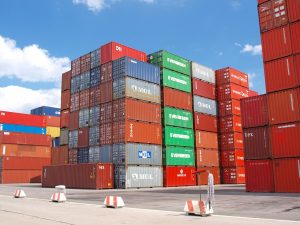
Importing Construction Materials to Dubai: Rules 

Building Materials customs clearances broker agent

For businesses aiming to import construction materials to Dubai, grasping the UAE's Federal Customs Authority's regulations is imperative. Whether you're an experienced importer or new to the Gulf, understanding customs procedures, documentation needs, and restricted items is crucial. This section aims to elucidate the essential rules and regulations for importing construction commodities to the UAE.

The UAE's customs policies are federally established, with each emirate possessing its own customs authorities. These offices are located at airports, seaports, and land borders, facilitating the smooth entry of goods. To initiate the import process, your UAE-based company must possess a trade license from the Department of Economic Development (DED) in the relevant emirate.

Foreign companies can engage in UAE "mainland" business by establishing an office or appointing a UAE national as sponsor, agent, or distributor. Alternatively, Free Trade Zone (FTZ) companies can use their FTZ-issued trade license for importing goods within that zone.

To finalize the import process, the UAE-based company must obtain a delivery order from the shipping agent. They must also submit standard trade documentation, such as a commercial invoice, certificate of origin, packing list, and any necessary import permits. By understanding these requirements, you'll be well-prepared to import construction materials to Dubai while adhering to the country's stringent customs regulations.

Best Freight Forwarding

Understanding UAE's Import Regulations

Exploring the import landscape within the United Arab Emirates (UAE) demands a profound comprehension of its intricate regulations and guidelines. As a pivotal hub for international trade, the UAE has crafted a stringent customs framework. This framework is designed to safeguard its local economy, bolster national security, and augment government revenue.

Licensing and Documentation Requirements

To facilitate the importation of goods into the UAE, entities must acquire the appropriate trade license from the Department of Economic Development (DED) within the relevant emirate. Foreign entities have the option to either establish a UAE office or appoint a local sponsor, agent, or distributor. This is necessary for conducting business on the "mainland" (beyond the confines of free trade zones).

Importers are obligated to present a detailed array of standard trade documentation. This includes a commercial invoice, certificate of origin, packing list, and import permit (if applicable).

Mandatory Import Documents  

  • Commercial Invoice
  • Certificate of Origin
  • Packing List
  • Import Permit (if required)


Importing construction materials to Dubai: regulations and guidelines

Importing construction materials to Dubai necessitates a thorough understanding of several critical factors. The nature of the materials, the shipment's size and weight, the destination country, and the chosen shipping method are all pivotal. These elements collectively ensure a compliant and successful import process.

Items of a fragile nature may necessitate shipment in crates or on pallets, whereas hazardous materials demand specialized containers with accurate labeling. The transportation of larger, heavier shipments typically employs ocean freight, whereas smaller consignments are more suited to air freight. It is imperative to delve into the customs regulations of the destination country, as certain nations impose restrictions on permissible shipments and their handling.

Collaboration with a reputable shipping entity is indispensable for the safe and punctual delivery of construction materials. Such companies are adept at navigating the intricate regulatory landscape, providing the necessary documentation and ensuring adherence to all pertinent rules.

Key Considerations for Importing Construction Materials to Dubai

  1. Material Type: Fragile items necessitate specialized packaging, whereas hazardous materials must adhere to stringent safety protocols.
  2. Shipment Size and Weight: Ocean freight is typically employed for larger, heavier shipments, whereas air freight is more suitable for smaller items.
  3. Destination Country Regulations: A thorough examination of the UAE's customs policies is essential to guarantee compliance with all import stipulations.
  4. Shipping Partner: Engaging with a reputable logistics and customs clearance provider for successfully importing and ensuring timely delivery.

Regulation Details
Customs Duties 5% customs duties are levied on the CIF value of goods when imported into Dubai. Goods valued below AED 1,000 in express shipments are exempt from duty.


FAQ

What is the process for importing construction materials to Dubai?

To import goods into the UAE, companies must possess a trade license from the Department of Economic Development (DED) of the respective emirate. Foreign entities can either establish a presence in the UAE or appoint a UAE national as a sponsor, agent, or distributor to conduct business within the "mainland" (excluding free zones). Entities operating within a Free Trade Zone (FTZ) can leverage their trade license for importing goods into that specific FTZ. The UAE-based entity (consignee/agent) must obtain a delivery order from the shipping agent. They then submit the original standard trade documentation, encompassing a commercial invoice, certificate of origin, packing list, and import permit if applicable.

What factors should be considered when importing construction materials to Dubai?

When importing construction materials to Dubai, several factors must be taken into account. The nature of the materials, the shipment's size and weight, the destination country, and the chosen shipping method are critical considerations. Fragile items necessitate shipping in crates or on pallets, while hazardous materials require special containers with appropriate labeling. Ocean freight is typically used for larger, heavier shipments, whereas air freight is more suitable for smaller consignments. Prior to shipping, it is imperative to research the destination country's customs regulations, as some countries impose restrictions on certain items and shipping methods. Engaging with a reputable shipping company is crucial to guarantee the safe and timely delivery of materials.

What are the key restrictions on imported goods in the UAE?

The UAE government enforces strict regulations on imported goods to safeguard public safety, protect the environment, and uphold cultural values. Key restrictions apply to food and agricultural products, firearms, hazardous materials, and counterfeit goods. Prohibited items include controlled drugs and illicit substances, pirated media and counterfeit products, fireworks and explosives, objects linked to black magic, and publications, artworks, and media that contravene Islamic principles. The UAE also restricts products posing environmental and health risks, such as single-use plastics, synthetic nicotine products, and personal care items containing microplastics.

low cost custom clearance in dubai.

https://interlinkgulf.com/importing-construction-materials-to-dubai-rules/ #CustomsBrokerinDubai #Buildingmaterialsimportprocess #Constructionmaterialsimportduties #Dubaiconstructionimports #Dubaiconstructionindustryguidelines #Dubaiconstructionregulations #Dubaitradelaws #ImportingbuildingmaterialstoDubai #UAEcustomsregulations https://interlinkgulf.com

Dubai Import: Shipping & Customs Regulations Guide 

Shipping Customs Regulations in Dubai

Whether you're importing commercial goods or personal effects, this guide is your roadmap to success. It will arm you with the knowledge to adeptly navigate Dubai's import regulations. We will delve into the nuances of customs duty rates, the restrictions on certain items, and the specific requirements for categories like food and IT products. Furthermore, we will dissect the customs clearance process, highlighting the submission channels and pre-arrival clearance options available.

By the conclusion of this guide, you will possess a comprehensive understanding of Dubai's shipping and customs regulations. This knowledge will empower you to make informed decisions, thereby optimizing your import operations.

Understanding UAE's Customs Authorities and Import Requirements

In the United Arab Emirates (UAE), the Federal Customs Authority dictates national customs policies. Each emirate, however, has its own customs department. These offices are situated at airports, seaports, and land borders, ensuring the regulation of goods entering and exiting the country.

The Federal Customs Authority and Local Customs Departments

The Federal Customs Authority oversees customs activities nationwide. Yet, local customs departments, like Dubai Customs, are pivotal in enforcing import regulations within their emirate. They implement customs procedures, contributing to the country's trade framework.

Trade Licenses and Documentation for Importers

Companies seeking to import goods into the UAE must obtain a trade license from the Department of Economic Development (DED) in their respective emirate. Foreign entities can either establish a local office or appoint a UAE national as a sponsor, agent, or distributor. This allows them to conduct business in the "mainland" (outside of free trade zones). Businesses within free trade zones can also leverage their trade license for importing goods into those zones.

The import code is essential for companies looking to import and export goods from Dubai to the world or from free zones to the Dubai mainland. It ensures compliance with import regulations and aids in tracking trade statistics, enhancing customs efficiency. Dubai Customs approves the import code, which is tied to the trade license's validity and requires annual renewal.

Requirement Details
Trade License Mandatory for all companies importing goods into the UAE
Import Code Necessary for businesses importing and exporting goods from Dubai; approved by Dubai Customs and renewed annually
Prohibited Items Include controlled substances, counterfeit money, materials against Islamic teachings, live animals, weapons, medical supplies, and nuclear energy products

By grasping the UAE's customs authorities and import requirements, businesses can efficiently import goods into the country. This ensures adherence to regulations, thereby avoiding potential issues or delays at the border.

Shipping & Customs Regulations for Importing Goods to Dubai

Understanding the intricacies of importing goods into Dubai necessitates a profound grasp of standard trade documentation and supplementary requirements. For entities intent on shipping goods to Dubai, it is imperative to acquaint oneself with the requisite paperwork. This knowledge is crucial for ensuring a smooth customs clearance process.

Standard Trade Documentation

To facilitate the importation of goods into Dubai, the UAE-based entity (consignee/agent) must present the following standard trade documentation:

Additional Requirements for Food Products

For the importation of food products to Dubai, additional certificates are mandated:

  1. Health Certificate: Ensuring the safety and quality of the food items
  2. Halal Slaughter Certificate: Mandatory for meat and poultry shipments

Customs Declaration Submission Channels

We collaborate with our clients to ensure their customs declarations are submitted via the most suitable channels. Whether it's through the Dubai Trade portal, direct B2G communication, our team of experts will guides you. We ensure all necessary documents are submitted accurately and on time.

Pre-Arrival Clearance and Document Submission

By submitting the necessary documentation in advance, we can expedite the customs clearance process and reduce delays.

FAQ

What are the main customs authorities in the UAE that handle imports?

The UAE's Federal Customs Authority dictates the country's customs policies. Each emirate, however, has its own customs department. Customs offices are situated at airports, seaports, and land borders.

What are the requirements for companies to import goods into the UAE?

Companies seeking to import goods into the UAE must first obtain the appropriate trade license from the Department of Economic Development (DED) within the emirate. Foreign entities can either establish a local office or appoint a UAE national as a sponsor, agent, or distributor. This is necessary for conducting business in the "mainland" (outside of free trade zones). Conversely, entities within free trade zones can leverage their trade license for importing goods into that specific zone.

What standard trade documentation is required for importing goods to Dubai?

The UAE-based company (consignee/agent) must present specific trade documentation. This includes a commercial invoice, a certificate of origin, a detailed packing list, and a bill of entry or airway bill. For food products, additional certificates are required, such as a health certificate and a Halal slaughter certificate for meat and poultry.

How can importers submit customs declarations in Dubai?

Importers can hire a reliable customs broker for submitting the declarations process.

For more detailed information, please feel free to email us at info@interlinkgulf.com with details of your shipment attaching available documents. We will answer you back.

Email: info@interlinkgulf.com

Call: +971-55-7910800 (Business hours)

https://interlinkgulf.com/dubai-import-shipping-customs-regulations-guide/ #Uncategorized #DubaiCustomsclearance #Dubaicustomsdocumentation #Dubaicustomsduties #Dubaicustomsprocedures #Dubaiimportregulations #Dubaitradelaws #ImportinggoodstoDubai #ShippingtoDubai #UAEimportregulations https://interlinkgulf.com