Dubai Customs Clearance for Aircraft Parts: Key Insights 
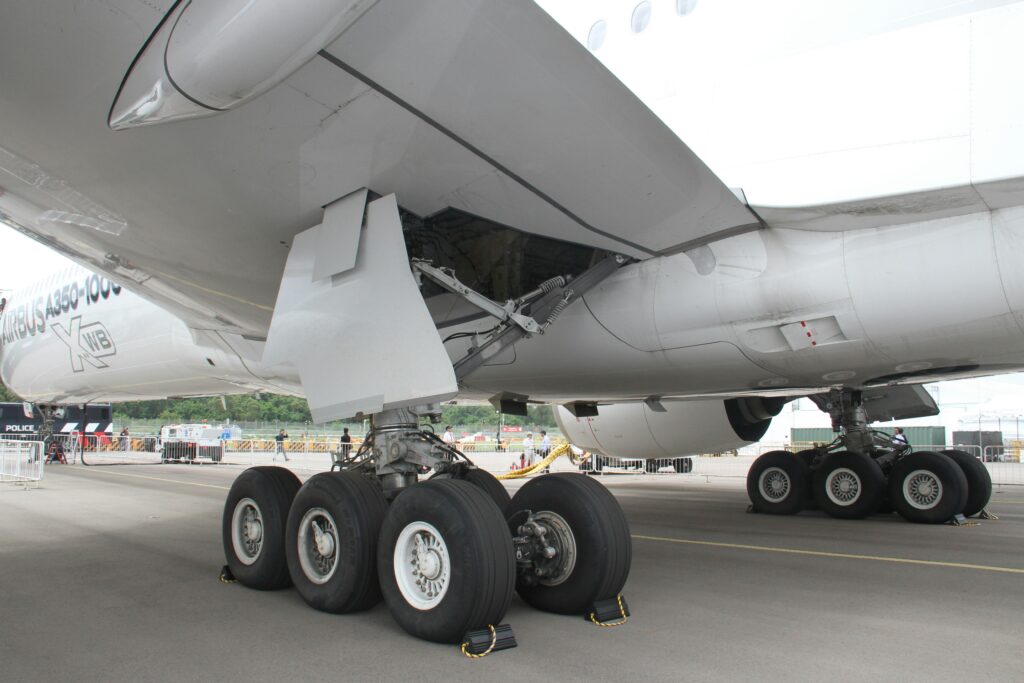
Air Craft Parts AOG customs broker clearance agent Dubai
Air Craft Parts AOG customs broker clearance agent Dubai, UAE

Key Highlights

Introduction

Dubai Customs is very important for smooth international trade. It helps with the import and export of goods, including specialized items like aircraft parts. For businesses in the aviation industry, it is essential to know the details of Dubai Customs procedures, especially for aircraft parts. This blog offers useful tips on how to handle Dubai Customs clearance for aircraft parts. It aims to make the process easy and efficient for everyone involved.

Understanding Dubai Customs for Aircraft Parts

Dubai Customs is well-known for being efficient. However, dealing with aircraft parts can be tricky. This is due to strict safety rules and high security in the aviation field. Aircraft components are valuable and sensitive, which adds to the complexity.

Importers need to be very careful when classifying their goods. They should use the Harmonized System (HS) codes accurately. These codes set the duty rates and are important for avoiding delays in the clearance process.

The Importance of Customs Clearance in Aviation Logistics

In the complex world of aviation logistics, customs clearance is very important for AOG shipments. It allows aircraft parts to enter a country in a legal way. Fast customs procedures help ensure that key components arrive on time. This is crucial for keeping aircraft maintenance on schedule.

Customs authorities have an important job. They check shipments, verify documentation, and make sure everything meets safety and security rules. Their careful work keeps the aviation industry secure and reliable.

For businesses that import or export aircraft parts, knowing customs procedures is a must. This knowledge helps keep the supply chain running smoothly. It lowers the chances of delays or fines and boosts the efficiency of the entire aviation area.

Key Regulations for Aircraft Parts Import in Dubai

Dubai Customs has clear rules to make international trade easier, especially for aircraft parts. A key rule is that every aircraft part needs important documents, such as commercial invoices, packing lists, certificates of origin, and air waybills.

Some aircraft parts can be classified as dangerous goods because they can be hazardous. These items need special care, packaging, and labeling following international rules. Importers must know these extra safety requirements and get the right permits and approvals to follow the law.

It's also important to know the specific HS codes for aircraft parts to understand the tariffs. This correct classification helps reduce the chances of delays and makes the clearance process smoother at Dubai Customs.

Preparing for Customs Clearance

Efficient customs clearance starts well before the aircraft parts reach Dubai Customs. It needs careful planning. This includes choosing the right shipping partner, making sure all necessary documents are ready, and understanding the rules for importing aircraft parts.

Working with a customs broker early on can really help. They can spot possible problems and make the customs clearance process go smoothly. A customs broker offers expert help with paperwork, tariff categories, and any special needs for importing aircraft parts.

Essential Documents for Aircraft Parts Clearance

Accurate and complete customs documentation is essential for clearing aircraft parts smoothly. One important document is the commercial invoice. It gives a clear description of the goods, their total value,, and the terms of sale. This invoice should match other shipping records.

The packing list is also crucial. It details the contents of each package in the shipment. This includes weight, dimensions, and the number of items. Having this information helps customs authorities inspect and verify the shipment more effectively.

In addition to these documents, a certificate of origin may be needed. It helps in identifying where the goods come from for tariff purposes. This certificate confirms the country of origin where the aircraft parts were made. This allows customs authorities to apply any special tariffs that may apply due to trade agreements.

Steps to Ensure Smooth Customs Processing

Successfully going through the customs clearance process for aircraft parts requires a careful plan and a focus on following the rules. Working closely with customs authorities, being clear in your declarations, and making sure all documents are correct is essential. This can help you avoid delays or issues.

Here are key steps to make the process easier:

By carefully following these steps, importers can greatly lower the chances of delays, penalties, or problems during the customs clearance process. This leads to a smoother and better supply chain.

Navigating Through Customs Duties and Taxes

Customs duties on aircraft parts are calculated using the CIF (Cost, Freight, and Insurance) value. It is important to know the duty rates for different kinds of aircraft parts, as they can change a lot. Some items may not have duties at all, while others could have lower rates thanks to trade agreements.

Besides customs duties and AED-related fees, importers must pay a 5% Value Added Tax (VAT) on most goods and export goods coming into Dubai. You should consider both duties and taxes when planning your budget for importing aircraft parts. This will help you get an accurate idea of costs and avoid unexpected expenses.

Overview of Customs Tariffs on Aircraft Parts

The United Arab Emirates implements a unified customs tariff system, as mandated by the Gulf Cooperation Council (GCC). The customs department determines customs tariffs on aircraft parts based on their classification under the internationally recognized Harmonized System (HS) nomenclature. These codes provide a standardized method for classifying traded products, ensuring uniformity in customs procedures globally.

The customs duty is generally levied as a percentage of the CIF value, which includes the cost of goods, insurance, and cost freight insurance charges up to the point of entry in Dubai. Correctly identifying the HS code for each aircraft part is essential, as even minor discrepancies can lead to incorrect duty assessments and potential delays in the clearance process.

Description of Goods

HS Code

Customs Duty Rate

Aircraft Parts (General)

8803.90

5%

Landing Gear Parts

8803.30

5%

Engine Parts

8407.90

5%

Avionics and Electrical Systems

8543.90

5%

Interior Components

8803.90

5%

Note: This table is for illustrative purposes only. Duty rates are subject to change. It's essential to consult with Dubai Customs or a customs broker for the most up-to-date information.

Strategies for Minimizing Customs Duties

Customs duties are a regular part of international trade. Importers can use certain strategies to lower their duty costs legally. One helpful method is knowing how customs valuation works. The CIF value helps determine customs duties. This value doesn’t just include the price on the invoice. It also considers freight, insurance, and other costs until the goods arrive in Dubai.

By looking for better freight and insurance options, importers can decrease their customs fees. This can lower the CIF value too. It is also important to stay updated on any changes in the customs tariff schedule since duty rates for specific aircraft parts may change from time to time.

Working with a customs broker who knows about importing aircraft parts can be very useful. They can share information about possible exemptions, lower duty rates from free trade agreements, or temporary import rules that might apply.

Special Considerations for Aircraft Parts Clearance

Aircraft parts usually need careful handling and special attention. Some parts, like batteries, chemicals, or pressurized containers, are considered dangerous goods. They must follow strict international air transport rules. Importers must know the rules about packing, labeling, and documentation.

Temporary importation rules can help when you bring in aircraft parts for repair, maintenance, or exhibitions. These rules often let you bring them in without paying duties for a set time, as long as certain conditions are followed.

Handling Sensitive and Hazardous Aircraft Components

Aircraft parts often contain sensitive and dangerous materials. Because of this, they need extra care during the customs clearance procedure. Dangerous goods like batteries, chemicals, and compressed gases follow strict rules from the International Air Transport Association (IATA). It is very important to follow these rules to make sure these items are transported safely.

Importers who work with dangerous goods must follow special requirements for packaging, labeling, and documentation. This may include getting permits or approvals from relevant authorities, such as the Dubai Civil Aviation Authority (DCAA) or the Ministry of Health, before shipping. Keep in mind that even small mistakes can cause shipment delays or lead to penalties.

That’s why it’s helpful to talk to a hazardous materials expert or an experienced customs broker who knows about dangerous goods. They can give advice on classification, packaging, documentation, and obtaining permits. This helps to ensure compliance and makes the customs clearance of sensitive aircraft parts quicker and safer.

Temporary Imports for Repairs and Maintenance

Dubai is a major center for aviation. This means there needs to be a simple way to maintain and repair aircraft. In line with this, the UAE's customs regulations allow for the temporary import of aircraft parts meant for maintenance. These temporary imports usually come in duty-free.

To make use of these rules, importers have to follow a few important steps. First, they need to get an ATA Carnet. This document works like a passport for goods, making it easier for temporary entry. The Dubai Chamber of Commerce and Industry provides ATA Carnets.

Additionally, importers must give a detailed list of the aircraft parts they are temporarily bringing in. This list should explain how these parts will be used for repairs or maintenance. Importers are also required to provide a guarantee for potential duties, often done through a bank guarantee or a deposit. This amount can be refunded when the parts are exported again.

Leveraging Technology for Efficient Customs Clearance

In today's world, technology changes everything. It makes processes easier in many areas. Dubai Customs has taken this step by using new digital systems. This helps make customs clearance quicker and simpler.

The Role of Digital Documentation and E-Clearance

The move to digital documentation and e-clearance systems has changed customs procedures a lot. This offers big benefits compared to old paper processes. Dubai Customs is leading this change by creating advanced online platforms for smooth customs transactions. Freight forwarders and customs brokers can send customs declarations, upload needed documents, and pay duties online. This cuts down on the time and work needed for physical paperwork.

Switching to digital documents makes things faster and also improves security and transparency. Electronic records have fewer mistakes and are less likely to be lost. They are also easy to check, which builds trust in the customs clearance process.

Moreover, Dubai Customs gives all-day, all-night access to its online portals. This lets stakeholders track shipments in real-time, get status updates, and solve any problems that come up. This better visibility helps businesses manage their supply chains effectively and make sure that critical aircraft parts arrive on time.

How Automation Can Streamline the Clearance Process

Automation is changing customs clearance services, especially in busy areas like aviation logistics. Dubai Customs is using automated systems to speed up the clearance process. These new tools include checking documents automatically, scanning cargo, and risk assessment tools. These all improve efficiency and security.

By automating repetitive jobs, customs authorities can cut down processing time. This means faster clearance for aerospace aircraft parts while still following the rules. This smoother process helps businesses improve their supply chains, lower storage costs, and get important aircraft parts on time.

Also, automation helps reduce mistakes that people might make. This means more accurate duty assessments and fewer customs disputes. Using technology helps not just importers but also makes Dubai's aviation sector safer and more efficient.

Selecting the Right Customs Broker

Choosing the right customs broker is very important for managing Dubai Customs rules. A skilled and experienced broker who focuses on aircraft parts can help make the clearance process easier. They know a lot about HS codes, customs procedures, and the special documents needed for aviation.

Working with the right broker can help overcome challenges, cut down delays, and make sure everything follows the rules. This support is key for any business that imports aircraft parts.

Criteria for Choosing a Customs Broker in Dubai

Choosing the right customs broker is very important for businesses that trade internationally. A good broker supports your team by making sure that your shipments pass through customs smoothly and legally.

When picking a customs broker in Dubai, focus on those who have a successful history with aircraft parts. They should understand the customs regulations, documentation needed, and any special requirements for aviation items. Experience with dangerous goods or temporary imports for aircraft parts is a plus.

Also, choose a broker who values compliance, honesty, and good business practices. Make sure to check their licensing and registration with Dubai Customs to confirm they can operate legally.

The Benefits of Partnering with Experienced Brokers

Understanding the customs clearance for specialized items, like aircraft parts, can be very tough. Working with an experienced customs brokerage can greatly simplify this process. These brokers know air freight rules and help your valuable items get through customs smoothly.

Skilled customs brokers have a deep understanding of Dubai Customs rules and processes. They are good at classifying goods with HS codes, preparing and submitting correct customs forms, and keeping up with changing rules. This helps avoid delays, fines, or issues during the customs clearance process.

Aside from following rules, experienced brokers build strong connections with customs officials and other important people. These useful relationships help speed up clearances, get needed approvals, and solve unexpected problems quickly.

Common Challenges and Solutions

Dubai Customs is known for being efficient, but problems can still happen. These problems might include delays caused by missing documents, wrong classification of items, or surprise inspections. It is important to prepare plans for dealing with these common issues.

Working with an experienced customs broker can help reduce these risks. They can assist with correct documentation and improve communication. Their knowledge can help tackle challenges early, leading to a smoother customs clearance process.

Addressing Delays in Customs Clearance

Delays in customs clearance can really slow down the delivery of shipments. This is especially true in areas like aviation where timing is important. These delays can happen due to issues like missing paperwork or unexpected customs checks that need more permits or approvals.

When you face delays, it’s important to act quickly and with good information. Talk to your customs broker or freight forwarder right away to find out why there is a delay. Check all your paperwork carefully for mistakes or missing parts and fix them as soon as you can. If the delay is because of customs checks or requests for more information, send the needed details quickly to help speed things up.

It's also vital to keep updated on any changes in Dubai Customs rules or processes. This can help you manage your plans and cut down on delays. Regularly visit the Dubai Customs website or sign up for industry newsletters to learn about new policies or requirements.

Managing Costs and Compliance Issues

Managing costs well is important for businesses in international trade. It is also crucial to follow customs regulations. Customs duties, taxes, and possible penalties can greatly affect how well a business does financially when trading globally.

Putting strong internal controls in place is necessary to avoid problems with compliance. Keeping precise records of all import-export transactions, such as invoices, packing lists, certificates of origin, and payment records, is a must. Regular audits of these records help to make sure everything is correct and complete. This reduces the chance of facing fines or delays caused by any mistakes.

Hiring a trusted customs broker helps with compliance and saving costs. Customs brokers know a lot about customs regulations, tariff classifications, and possible exemptions or duty drawback options. They aid businesses in finding legal ways to cut costs. Their skills help ensure the right declarations are made and reduce the chances of extra fees or penalties.

The Role and Importance of a Customs Broker

Customs brokers are authorized helpers for importers working with customs authorities. They make international trade easier. Their knowledge of customs regulations, tariffs, and documentation is important. It helps to avoid delays and penalties during the clearance of goods.

When businesses import aircraft parts, a customs broker's expertise is essential. They know about HS codes for aviation items and have information on special permits for dangerous goods. They also understand temporary import rules. This knowledge helps to speed up the clearance process. Moreover, brokers ensure compliance with regulations and improve communication with customs authorities. This allows businesses to concentrate on what they do best.

Compliance with Customs Regulations and Laws

Compliance with customs rules and laws is very important for businesses that trade internationally. This is especially true for highly regulated fields like aviation. Not following these rules can lead to delays in shipments, fines, legal issues, and a damaged company reputation. It is crucial to understand and follow Dubai Customs policies and procedures to keep operations running smoothly.

Keeping good records is key to showing regulatory compliance. You need to keep accurate records of all your import-export transactions. This includes commercial invoices, packing lists, certificates of origin, and customs declarations, which are important for audits and inspections. It is a good idea to develop a strong compliance program. This program should train employees involved in import-export on the most current customs rules, the right documentation, and ethical trading practices.

Documentation and Procedures for Import/Export Clearance

The import and export clearance process has important steps and paperwork related to foreign trade. Following these steps is crucial for your goods to move smoothly across borders. If there are any mistakes or missing papers, it can cause expensive delays, fines, or even lost shipments.

Some key documents needed for import/export clearance are a commercial invoice that shows the value, description, and terms of sale for the goods. A packing list is also required. It contains details of each shipment, like weight, size, and amount. This information helps with customs and logistics. Certificates of origin are important because they prove where the goods are made. This legal authorization can affect tariffs and trade deals. Depending on what you are trading, you might also need other papers, like import licenses, permits for restricted items, or inspection certificates.

Understanding and Applying for Temporary Admission Procedures

Dubai is a major center for air travel. This means that there needs to be good ways to manage aircraft parts that come in for maintenance, repairs, or shows. Using temporary admission procedures lets businesses bring in these items without paying normal customs duties, as long as they follow certain rules. This helps to keep costs down and makes sure that important parts are available when needed.

To apply for temporary admission, you often need to get an ATA Carnet, known as the "passport for goods." This document makes the customs clearance process easier in many countries, allowing for the quick import and export of items. Importers must also provide a clear description and purpose for bringing in the goods, along with proper documentation. Depending on how much the goods are worth, a security deposit may be needed, which you can get back when the items are exported again.

Strategies to Minimize Customs Duties and Optimize Clearance Processes

Navigating international trade can help businesses save money and improve how they operate. To lower customs duties, it's important to understand tariffs, possible exemptions, and how customs valuation works. Companies need to accurately classify their goods using HS codes, or they may face higher duties. Looking into free trade agreements and using duty drawback programs can also help cut costs.

Besides lowering duties, improving the customs clearance process means organizing documents and bettering communication. Using digital tools like the Dubai  Portal allows for real-time tracking, online submissions, and fewer manual errors. Working with an experienced customs broker who knows how to manage aircraft parts can make this process simpler and help keep operations cost-effective and compliant.

Guidelines for Transporting Restricted and Prohibited Items

Transporting goods across international borders requires a clear understanding of the import rules in each country. This is very important when shipping items that are restricted or banned. These rules help protect national security, public health, and culture. Not following these rules can result in serious penalties, like losing your shipment, paying fines, or facing legal issues.

Before you send any goods, especially aircraft parts, make sure to do thorough research. Check if there are any restrictions or bans. Keep in touch with your customs broker or freight forwarder. Give them correct and detailed information about what you are shipping. Using a certified service for declaring dangerous goods is also very helpful. It makes sure you comply with the rules when you transport hazardous materials.

Utilizing Free Zones for Business Advantage

The UAE has set up many free zones to attract foreign investment and help the economy grow. These zones give businesses special benefits like no taxes, full foreign ownership, and easier customs procedures. Companies trading aircraft parts can use these zones to create a center in the region, enjoying the advantage of duty-free import and storage of their goods.

Besides tax benefits, free zones have great facilities, easy company registration, and access to skilled workers. The Dubai Airport Free Zone (DAFZA) and Jebel Ali Free Zone (JAFZA) are great examples. They are near major transport routes, which helps with international trade. Businesses can use these zones to reach regional markets while enjoying a supportive business environment.

Conclusion

In conclusion, understanding how Dubai customs clearance works for aircraft parts is very important for a smooth process. Following the rules, having the right paperwork, and using technology are key for quick clearance. Working with skilled customs brokers can make things easier and reduce delays. By following the tips and steps given, businesses can handle customs duties, tariffs, and other challenges well. Stay updated, make sure you follow the rules, and use free zones to improve your business in aircraft parts logistics. For answers to common questions or more help, talk to our experts today.


Frequently Asked Questions

What are the most common issues faced during customs clearance of aircraft parts?

Common problems when clearing aircraft parts in Dubai are wrong HS code classification, missing or incomplete paperwork, and delays. These delays can happen because the goods are specialized and may need extra inspections or approvals. Following Dubai Customs procedures and getting your paperwork right in advance can help reduce these issues.

Can I clear aircraft parts through customs without a broker?

Self-clearance can be done, but it's usually not a good idea for importers who do not know much about Dubai Customs rules. A licensed customs broker has the skills needed to deal with customs procedures and documentation. This makes the process easier and lowers the chances of any problems.

What are the penalties for non-compliance with Dubai’s customs regulations?

Penalties for not following Dubai Customs rules can include fines, delays in shipments, and removal of goods. In some cases, it can even lead to legal trouble. It is very important to know and follow all the rules to prevent these issues.

How long does the customs clearance process take for aircraft parts?

The time it takes for the customs clearance process of aircraft parts in Dubai can change based on different factors. These factors include how complicated the shipment is, how accurate the documentation is, and whether inspections are needed. Generally, this process can take a few hours or a few days.

Are there any specific customs exemptions for aircraft parts?

Yes. Aircraft parts brought into Dubai’s free zones for activities such as maintenance, repair, or re-export usually qualify for customs duty exemptions. Some parts for national airlines or government projects might also be eligible for these exemptions.

What documents are required for customs clearance in Dubai?

The essential documents needed for customs clearance in Dubai are the commercial invoice, packing list, certificate of origin, and bill of lading or airway bill. Depending on the type of goods, you might also need extra documents. These could include insurance, import licenses, or special approvals.

What is not allowed in Dubai customs?

Dubai Customs does not allow the import of certain items. This includes drugs, guns, fake goods, and items that are not culturally acceptable. It is important to know what you cannot bring into Dubai. You can check the list of banned items on the Dubai Customs website. You can also talk to your customs broker for help to avoid any problems.

What needs to be declared at Dubai customs?

Travelers coming to Dubai need to declare items that are subject to duties. This includes tobacco, alcoholic beverages, and goods that go over the duty-free limit. If you carry a lot of cash or personal items worth more than a set amount, you also have to declare these at customs when you arrive.

Email: info@interlinkgulf.com
Call: +971557910800

https://interlinkgulf.com/dubai-customs-clearance-for-aircraft-parts-aog/ #CustomsBrokerinDubai #CustomsClearance #DubaisAirFreightIndustry #DubaisAirFreightIndustry #UAEaerospaceimportguidelines #UAEAirFreightIndustry https://interlinkgulf.com

Exporting to Iran: Freight and Customs Clearance Made Easy 

clearance of Transit Cargo at Dubai to Iran
Dubai Customs Clearance and legal Transit of Cargo at Dubai to iran


Introduction

Exporting from Dubai to Iran means dealing with several steps like customs clearance, picking the right shipping services, and following international trade rules. It's important to know the customs regulations and have the right paperwork, whether you're moving imported goods or large cargo. Dubai is a key hub for quick logistics, thanks to its good ports and friendly trade relationships. To avoid problems, choose shipping solutions that fit your needs and help ensure smooth movement between the Persian Gulf areas for successful cross-border trade.

Understanding Export Regulations from Dubai to Iran

Exporting to Iran means knowing the rules for transporting goods in both Dubai and Iran. To export efficiently, you must follow customs regulations, have the right documents, and choose reliable shipping methods like sea freight or air freight. The type of cargo, delivery times, and costs are important for organizing shipments.

When dealing with customs clearance procedures, expect thorough checks and approvals. Important regulations include submitting certificates of origin, following UAE rules, and obeying Iran’s import laws. Proper planning helps ensure that goods arrive securely and on time.

Overview of Export Compliance

Establishing export compliance starts with knowing important customs regulations. These rules tell how goods are checked and approved during shipping. Exporters need to prepare accurate documents. This includes commercial invoices, packing lists, and certificates of origin. These documents help ensure that shipments follow both UAE and Iranian standards.

The certificate of origin is an important document. It confirms where a product is made and is key for tariff benefits and import approvals. Following UAE standards helps avoid delays and fines during customs processing.

If you are exporting valuable items or heavy machinery, working with skilled customs clearance agents can make things easier. With strong systems in place, exporters can meet rules while ensuring safe delivery of goods through reliable shipping options.

Key Regulatory Bodies and Their Roles

Various organizations have a big part in helping with international shipping between Dubai and Iran. In the UAE, the Dubai Customs Department manages customs procedures at major ports like Jebel Ali. They make sure that cargo is inspected without any problems.

In Iran, the Customs Administration looks after shipments coming in at places like Bandar Abbas. They check everything to follow strict rules. Both agencies enforce import/export laws and customs clearance procedures to keep trade laws of each country strong.

Exporters depend on these organizations to quickly check all documents, including certificates of origin. The teamwork between regulatory bodies and shippers helps improve customer satisfaction. This is done by reducing issues and ensuring deliveries are on time.

Legal Requirements for Exporting Goods

Following legal requirements is important to make sure your shipment meets export laws in Dubai and Iran. The commercial invoice includes important information about the goods, their value, and the transactions between buyers and sellers.

The bill of lading is another important document. It serves as proof of shipment and contains the contract terms for everyone involved. Customs clearance agents may also ask for permits, depending on the type of goods, like hazardous items.

When exporters understand the legal requirements in Iran and Dubai, they can reduce risks. This helps them avoid penalties and keeps communication clear with customs, which is key to making shipping smooth and easy.

Preparing for Customs Clearance in Iran

Executing customs clearance procedures in Iran requires proper documents and readiness for thorough checks. Exporters need to present items such as a packing list, detailed invoices, and shipment certificates for approval.

Iran’s customs authority pays special attention to meeting international safety standards. Working with skilled freight forwarders who understand the process can make this step easier. It helps to ensure your cargo gets approved without delays.

Necessary Documentation for Export

Good documentation helps move goods across borders easily. Your commercial invoice shows the shipment value. The packing list gives a detailed description of the cargo. Together, these documents help with customs clearance.

The bill of lading acts as proof of contract and shows the carrier's responsibility during freight. The certificate of origin is required by most export laws. It helps prove the background of your goods for both buyers and local officials.

Make sure to prepare these documents carefully. Add any extra permits you need for specific shipments. This will help you get through customs smoothly.

Steps to Obtain Export Licenses

Securing export licenses starts with understanding Dubai’s rules for customs clearance procedures. Depending on what you are sending, you may need certificates of origin and business licenses to prove your operations.

The process involves asking for approval from regulatory agencies and providing the necessary documents. For example, if you are exporting industrial goods, you might need extra safety certifications that meet international law.

Getting your licenses ready early can help avoid problems during inspections by Iranian officials. Exporters can reduce their transit risks by managing their legal and customs requirements carefully in advance.

Classification of Goods and HS Codes

Using the right classification systems makes it easier to handle shipments. Goods grouped with HS codes help speed up customs processes. This makes it clear what duty rates to expect and what safety checks are needed.

For example, technology items can have special codes. On the other hand, agricultural products often need extra classification with types of goods codes. It's important that HS codes align with the international standards accepted by Dubai and Iran.

When exporters use accurate classification systems, they can improve their logistics. This helps make the clearance process simpler. It also relies on constantly checking HS codes across different logistics networks.

Selecting the Right Freight Forwarder

Choosing the right customs broker and freight forwarder can make logistics services easier. It helps ensure safety and keeps costs in check. Look at important factors like their years of experience and connections with UAE-Iran shipping agents.

A customs broker or a freight forwarder is important because they help link your needs with customs procedures. They provide expert help to navigate complex trade rules. These factors are key for success in cross-border deals and help reduce problems.

Criteria for Choosing a customs broker or a freight forwarder

When you compare freight services, pay attention to service quality. Look for companies that have a history of customer satisfaction. Skilled providers can handle issues between Dubai and Persian Gulf routes to Iranian ports well.

Their strong volume of cargo-handling expertise helps speed up customs processes and makes it easier to clear shipments. A good partner should fit your needs, such as helping with documents and tracking early deliveries.

Finally, read customer reviews. Companies that get high ratings for their professionalism, accuracy in handling goods, and clear pricing can make navigating international rules easier for you.

Benefits of Experienced customs broker or freight forwarder

Experts provide comprehensive logistics solutions designed for your types of cargo. This helps keep things efficient at every trade level.

For instance, their skills can cut down on waiting times caused by unnecessary steps in customs clearance services. Working with them leads to less paperwork and improved delivery in busy places like Bandar Abbas port.

Decisions made by trusted partners show better reliability and help keep costs down. A freight agent who focuses on reliability also works openly to meet goals like long-term customer satisfaction.

Case Studies: Successful Freight Forwarding to Iran

Many businesses have used freight forwarding to Iran to show good logistics services and skill in customs clearance. One company handled the transport of food products well. They followed customs regulations and used proper documentation like the bill of lading and certificates of origin. Another example showed how sea freight is often better than air freight. It is cheaper and works well for large amounts of cargo, especially for full container loads at major ports like Bandar Abbas and Shahid Rajaee. These cases show how important logistics is in international trade.

Shipping Routes and Transportation Modes

Many shipping routes make it easy to move goods from the United Arab Emirates to Iran. They use both sea and air freight. Each option has its benefits, depending on the type of cargo and how quickly you need it. Sea freight, mainly through big ports like Jebel Ali and Shahid Rajaee, is a cost-effective choice for transporting full container loads. However, it takes longer for delivery. On the other hand, air freight is great for shipments that need to get there fast because it clears customs more quickly. Knowing how these options work can help improve the logistics process and lead to better customer satisfaction in international trade.

Comparing Sea and Air Freight Options

Evaluating sea and air freight options is important for improving logistics in international trade. Sea freight is great for moving large amounts of cargo at lower costs. It works well for bulk shipments and items like food products that might take longer to arrive. On the other hand, air freight provides faster shipping services for time-sensitive items. This ensures quicker delivery and better customer satisfaction. The best method depends on shipping time, type of goods, and budget. You need to think carefully about each transportation mode to meet specific needs and follow customs regulations.

Strategic Shipping Routes from Dubai to Iran

Several important routes make it easy to move goods between Dubai and Iran. This boosts trade opportunities. You can use sea freight via the Persian Gulf. You can access it mainly through ports like Jebel Ali and Shahid Rajaee. For shipments that need to arrive quickly, air freight is the best method. You can use international airports in both areas to speed up customs clearance.

The shipping route you pick depends on several things. These include the type of goods and how fast they need to be delivered. Using good logistics services helps with customs regulations. This improves customer satisfaction and simplifies the shipping process.

Timeframes and Transit Times

Variability in shipping times and transit times can have a big impact on the logistics process when exporting to Iran. Sea freight usually takes longer, so careful planning and scheduling are important for delivery to major ports like Bandar Abbas or Shahid Rajaee Port. On the other hand, air freight is faster, which is great for urgent shipments that need a shorter duration. Knowing these factors is key to making supply chains work better and keeping customer satisfaction high. Proper documentation, such as commercial invoices and certificates of origin, is very important for reducing delays in these shipping methods.

Cost Analysis of Exporting to Iran

Analyzing the costs of exporting to Iran requires looking at several factors. You need to consider the shipping method and the type of goods being sent. Sea freight can be a cheaper option for large shipments. On the other hand, air freight can save time for valuable items. You should also think about customs clearance procedures. This involves having the right documents, like a commercial invoice and a certificate of origin. It is important to understand the logistics process. Working with a dependable freight forwarder can help cut costs and improve customer satisfaction during the shipping journey.

Breakdown of Freight Costs

Understanding the different parts of freight costs is important for good budgeting in international trade. Factors like shipping method, type of goods, and distance traveled can greatly affect the total costs. For example, air freight is usually more expensive than sea freight, especially for perishable and high-value items. Extra fees can come from customs clearance procedures, including costs for certificates of origin and handling charges at big ports like Jebel Ali and Bandar Abbas. By looking closely at these costs, exporters can find the best method for their specific needs. This helps them keep prices competitive and makes customers happy.

Additional Charges and Fees to Consider

Extra charges can change the total cost of sending goods to Iran. This will impact your profits. You need to include customs clearance fees from the right authorities, along with shipping service costs. There are also handling fees at important ports like Bandar Abbas and Jebel Ali. Additionally, there are costs for storing goods while they are in transit.

You may also have to pay for getting the right papers like the certificate of origin and the commercial invoice. By knowing these costs, you can have a smoother logistics process and better plan your budget for your export shipment.

Cost-Saving Tips for Exporters

Exploring ways to save money can really help to boost profits when sending goods overseas. Working with a good freight forwarder can give exporters better shipping services and help manage the logistics better. Choosing a full container load (FCL) instead of a less-than-container load (LCL) can decrease shipping costs by using more space. Also, knowing about customs regulations and having the right papers, like commercial invoices and certificates of origin, can help avoid delays and extra charges. Teaming up with a skilled shipping company also helps make customs clearance easier. This way, delivery happens on time, keeping customers happy.

Ensuring Cargo Safety and Compliance

Ensuring the safety and compliance of cargo is very important in the logistics process. This is especially true when exporting to Iran. Having the right documentation, like the packing list and commercial invoice, is key for meeting customs regulations. The packing standards for export goods, especially for food products, need to meet international safety rules and Iranian requirements. Working with experienced freight forwarders can offer strong logistics solutions. They can help reduce risks and improve customer satisfaction. Also, getting cargo insurance is a necessary step in protecting the transportation of goods through different shipping methods.

Packaging Standards for Export to Iran

When sending goods to Iran, following strict packaging rules is very important. The right packaging helps to protect the items during shipping and ensures that it follows customs regulations. Using strong materials that can handle different weather conditions is necessary. Also, the labels should have the packing list, commercial invoice, and certificates of origin, which makes customs clearance easier. Knowing local tastes for packaging, especially for food products, can improve customer satisfaction. Proper packaging helps make the logistics process work well and can speed up delivery time. This shows how detailed preparation is key in international trade.

Handling and Storage Requirements

Specific handling and storage rules are important for keeping export goods safe. Different types of cargo, especially food products, need special logistics services. This includes temperature control and unique packing methods. Following customs regulations and having the right documents, like packing lists and invoices, is crucial to avoid any problems. Using skilled freight forwarders can make the logistics process smoother and improve customer satisfaction. Also, having the right steps during storage, such as safety protocols and good inventory systems, helps reduce risks like damage or spoilage of goods during their trip from the United Arab Emirates to Iran.

Compliance with International Safety Protocols

Ensuring that international safety rules are followed is very important for exporting goods to Iran. Each shipment needs to have the right paperwork. This includes a commercial invoice and a packing list to meet customs regulations. Exporters also need to know about specific certificates, like certificates of origin, which may be needed for different kinds of goods. Understanding safety standards in cargo transportation can help avoid delays and improve customer satisfaction. In the end, matching logistics services with these rules makes the shipping process smoother and reduces risks linked to customs clearance procedures.

Navigating Iranian Customs Clearance

To navigate customs clearance in Iran effectively, you need to understand the customs regulations for importing goods. It's important to prepare proper documentation like commercial invoices and certificates of origin. Working with a skilled freight forwarder can greatly help you comply with customs procedures and clear your goods on time. Knowing common challenges, such as delays and issues with documents, can make the logistics process better. By using best practices in customs clearance, you can improve shipping services and increase customer satisfaction.

Step-by-Step Customs Clearance Process

Navigating the customs clearance process has many important steps. These steps help make sure everything runs smoothly and follows the rules. First, you need to prepare proper documentation. This includes the commercial invoice, packing list, and certificates of origin. Next, it is very important to submit these documents to the right customs authorities. Each type of goods can have its own customs regulations. These rules may change depending on the shipping method, whether it is sea freight or air freight. Finally, a freight forwarder can help communicate with customs officials. This ensures everything follows the customs clearance procedures. It leads to a better logistics process.

Common Challenges and How to Overcome Them

Navigating customs clearance in Iran can be tough for exporters. There are several challenges. First, understanding local customs regulations is important. Second, managing paperwork like the bill of lading and commercial invoice can be complicated. Also, you need to meet packaging standards. To help overcome these issues, working with experienced freight forwarders is a good idea. A reliable shipping company that offers comprehensive logistics solutions can make the process smoother. They ensure that you have proper documentation and provide good customer service. Additionally, learning about the specific needs of Iranian customs can improve your exporting experience and make shipping easier.

Role of Customs Brokers

https://clutch.co/profile/interlink-freight-agency-customs-broker are key to managing the challenges of international trade. They help move goods through customs clearance smoothly. Their skills in Iranian customs regulations make sure that everything meets official rules, like the commercial invoice and certificates of origin. By using their deep understanding of customs procedures and documents, these experts reduce delays and any extra costs during shipping. With many years of experience, customs brokers are important for improving service quality and boosting customer satisfaction. This supports the overall effectiveness of logistics services in the busy trade scene of the Middle East.

Leveraging Technology in Export Processes

Using technology greatly improves how exports are done. Better cargo tracking and management systems let exporters see shipments in real time. This helps them track and plan the best routes. Automation in freight forwarding makes work smoother. This cuts down on mistakes and raises service quality. Also, digital tools help manage shipping documents. They make sure all customs regulations are met and speed up customs clearance. By using these new ideas, businesses can boost customer satisfaction and get ready to thrive in international trade. When exporters know how to use these tech tools, they can improve their logistics process and meet their specific needs better.

Importance of Cargo Tracking and Management Systems

Efficiency in the shipping process depends a lot on good cargo tracking and management systems. These modern tools give real-time updates on shipments. This makes it easier to keep an eye on various factors, like delivery time and location. By using this technology, businesses can boost customer satisfaction with timely updates and dependable services.

Also, good management systems help make the logistics process smoother. They allow freight forwarders to act quickly if there are unexpected delays or problems. This proactive way of working reduces risks in cargo transportation. It also helps meet customs regulations, which improves overall efficiency in international trade.

Benefits of Automation in Freight Forwarding

Automation in freight forwarding makes things work better and reduces mistakes made by people. This leads to happier customers. With automated systems, logistics services can make the paperwork easier. This includes creating bills of lading and packing lists, while also following customs regulations. The technology helps track cargo in real time. This way, it offers more transparency and helps make good decisions. Analyzing shipping data also becomes easier, which lets freight forwarders improve their routes and cut down on shipping time. Overall, automation helps increase service quality and allows supply chains in the tough Middle Eastern markets to grow.

Future Trends in Export Technology

Rapid changes in export technology are changing the way we move goods around the world. Automation and artificial intelligence make customs clearance procedures faster and easier for freight forwarders. Better cargo tracking systems offer real-time information. This helps with transparency and boosts customer satisfaction. Also, blockchain technology is becoming important. It offers secure documents and certificates of origin, which makes international trade easier. As these technologies develop, companies must change to stay ahead. They need to manage complex rules and different shipping methods in the fast-changing export market.

Understanding Cultural and Business Practices

Navigating the complex culture and business practices in Iran can greatly impact the success of exporting goods. Knowing local customs, like the need to build relationships, can lead to better negotiations and smoother deals. It's also crucial to understand formal business etiquette, where respect and patience are very important. Focusing on trust and mutual benefits can help create a good relationship with Iranian partners. Following these cultural hints helps build goodwill and meets the customs regulations and expectations for successful international trade in this area.

Business Etiquette in Iran

Understanding business etiquette in Iran is important for building successful relationships. Greetings usually include a firm handshake and good eye contact. This shows respect and openness. It is polite to address colleagues using their titles and last names. Being on time is valued, but some flexibility is also expected. Gift-giving can help in developing strong connections. Items that show appreciation are highly regarded. The dress code is usually formal, especially in business situations. Knowing these cultural details can improve customer satisfaction and create lasting partnerships in the area.

Negotiation Practices and Building Relationships

Effective negotiation in Iran is all about understanding local customs and building relationships. Trust is very important, and getting to know each other can greatly improve the chances of making good agreements. Using strategies like active listening and being patient creates a positive vibe that leads to benefits for both sides. Knowing cultural details helps in communicating clearly, so both parties feel respected and valued. Building relationships does not stop after the first negotiation. Ongoing interactions are key to creating long-term partnerships needed in the Iranian market. By focusing on managing relationships well, exporters can handle customs clearance and logistics more easily.

Legal and Ethical Considerations

Navigating international trade, especially with Iran, requires understanding legal and ethical issues. It is very important to follow customs regulations. Exporters must have proper documentation, like the commercial invoice and certificates of origin. Being aware of international sanctions is also key, as they can impact shipping services and trade deals. Following ethical practices, such as fair pricing and obeying shipping laws, helps improve customer satisfaction and trust. Learning about local regulations can help avoid legal problems and protect cargo transportation. This knowledge can lead to strong business relationships in the lively Persian Gulf market.

Risk Management and Insurance

Effective risk management is important for successful exporting, especially when dealing with Iranian customs. Various factors, like the type of goods and the shipping method, can affect potential risks. Cargo insurance has a crucial role in protecting investments. It keeps exporters safe from unexpected issues during transit. Working with skilled freight forwarders can improve the logistics process. They provide valuable insight into risk assessment and ways to reduce risks. Proper documentation is also key. This includes certificates of origin and commercial invoices. Having the right documents helps prevent delays and meet customs regulations. In the end, this leads to better customer satisfaction and service quality.

Types of Insurance for Exports to Iran

It is very important to have the right insurance for exports to Iran. This protects your investment. There are different types of insurance you can choose from. Cargo insurance keeps your goods safe from loss or damage during transport. Marine insurance is needed for shipments that go by sea freight. For air transport, air freight policies are necessary. Each insurance type covers different risks related to how you ship your items. This lets you choose what works best for your shipping plans. By carefully evaluating your coverage, you can meet customs regulations and make shipments safer overall.

Assessing and Managing Risks in Export

Effective risk assessment and management are very important in exporting, especially when dealing with international trade to Iran. Knowing customs regulations well, along with a strong logistics process, can help avoid problems. Using reliable shipping services and good customs clearance procedures can keep cargo safe. Keeping an eye on shipping routes and knowing the type of goods being transported can further reduce risks. In the end, being aware of various factors like market trends and shipping company performance helps in making the best decisions. This way, customer satisfaction improves, leading to a better export experience.

Case Studies: Mitigating Risks Successfully

Implementing good risk management strategies is very important for exporters. It helps them deal with the complexities of international trade, especially when shipping goods to Iran. A logistics company managed to lower potential issues by using a strong risk assessment system. This included careful customs clearance procedures, proper documentation, and cargo insurance for their shipments.

In another case, a company that exports food products relied on their freight forwarder's knowledge. This ensured they followed all customs regulations and used the best shipping methods. These examples show that careful planning and having experienced partners are key in reducing risks in the freight forwarding process to Iran.

Conclusion

Exporting to Iran can be tricky. You need a smart plan. Knowing the shipping routes and ways to transport goods is important. This helps make sure items arrive on time and follow customs clearance procedures. You need to pick the best method for shipping. This can be sea freight using big ports like Jebel Ali or choosing air freight. Proper documentation is a must. You will need a bill of lading and certificates of origin. By using good logistics solutions and putting customer satisfaction first, exporters can stand out in the Iranian market. This helps them manage risks and get cargo insurance.

Frequently Asked Questions

What are the key documents required for exporting to Iran?

Key documents for exporting to Iran are the commercial invoice, packing list, bill of lading and any required export licenses. It is very important to make sure these documents are correct and complete. This helps with customs clearance and following Iranian rules.

How do I choose the right shipping method for my goods?

Choosing the right shipping method is important. You need to think about cost, delivery speed, and what you are shipping. Look at the good and bad sides of air freight compared to sea freight. Consider how long each one takes and what kind of packaging you need to keep your goods safe and get them to Iran quickly.

What are common customs clearance challenges ?

Common customs clearance issues in Iran involve dealing with complicated rules, changing paperwork needs, and slow processing times. Communication gaps and regular policy updates can also cause problems for smooth operations. To handle these challenges well, you need to prepare carefully and have local knowledge.


https://interlinkgulf.com/clearance-of-transit-cargo-at-dubai-to-iran/ #DubaicustomsClearance #DubaisAirFreightIndustry #InternationalShipping #UAEAirFreightIndustry #UAECustomsClearance https://interlinkgulf.com

Key Regulations for Import and customs clearance of Aircraft Engines in Dubai

Key Highlights

Introduction

The United Arab Emirates has become a top place for the aviation industry in the world. Dubai is a key city for this. The country has a strategic location. There are also many major airlines here. This makes the United Arab Emirates a strong player in global aviation. A big reason for this is the busy market for aircraft parts. Engine parts are very valuable in this market. Many people and companies want to work in this area.

If you want to work in the import process for this sector, you need to understand customs clearance. The rules to bring in aircraft engines can seem hard to follow. You have to know what licenses, documents, and steps are needed. This knowledge is key if you want to avoid problems or delays. It helps your business run well in this fast-moving area of the world.

Regulatory Environment for Importing Aircraft Engines in Dubai

The import of aircraft engines into Dubai must follow clear customs regulations. These rules keep things safe and make sure they stay legal. The Federal Customs Authority sets the main customs regulations for all of the UAE. Local offices, like Dubai Customs, take care of the daily work and check that the rules are being followed in the area. The rules are very strict, mainly for aircraft components or other things that cost a lot or are sensitive.

Meeting regulatory compliance is not just about filling out forms. It means you have to follow strict rules from the General Civil Aviation Authority. The civil aviation authority takes care of safety and manages civil aviation. The GCAA also sets import regulations for important parts, like engines. If you want to bring these parts in, you need to make sure your shipment meets these rules. You should know about both customs and civil aviation rules. This is important if you want to bring items in the right way. The next parts will talk about the main authorities and standards that help with import regulations and civil aviation needs.

Governing Authorities and Their Roles

There are some groups in Dubai that manage the import of aircraft engines. Each one plays its own part. The Federal Customs Authority is the main body that sets customs policies for the UAE. But every emirate also has its own customs authorities. They are the ones that follow and use these policies.

When you want to bring things into Dubai, you need to work with Dubai Customs. The people at Dubai Customs check what is coming in. They look at the papers for the goods. They also get any duty money that needs to be paid.

The customs authorities and the Department of Economic Development (DED) in Dubai are both involved in the process. The DED will give you the trade license you need to open a business for importing. If you do not get the license from the DED, you cannot bring goods in for business use on the mainland. This is the first step you need to take before you start bringing in your items.

For aviation needs, the General Civil Aviation Authority (GCAA) and Dubai Civil Aviation Authority (DCAA) have an important role. They watch over how things run in civil aviation. The GCAA is the top group that works on aviation safety and security. It gives special permits for trading aircraft, engines, and other main parts. The best way to follow all rules from these relevant authorities is to work with a licensed customs broker like Interlink. A good agent knows what the civil aviation authority wants. They help you with customs clearance and make sure all rules are met. This helps make the whole process smooth and quick.

Relevant International and UAE Aviation Standards

You must follow both local and global rules when you bring aircraft engines into Dubai. The aviation industry in the UAE always goes with best practices from other countries. This helps make sure there is good safety and things work well. Every part of the plane brought in has to meet strong safety standards. These safety standards are used all over the world. The rules cover how things are made, how people take care of them, and also how every part can be tracked. The country has these high levels to make sure the aviation industry stays safe and strong.

The General Civil Aviation Authority (GCAA) is the main group that checks civil aviation rules in the UAE. The civil aviation authority looks at every aircraft engine that comes in. It makes sure each engine meets safety standards. The GCAA goes through the airworthiness papers, how the engine was cared for, and what it has faced during its use. This helps the General Civil Aviation Authority know that the engine can be safe for use. The rules from the GCAA help keep people safe and support the UAE’s civil aviation industry.

Importers need to show lots of documents that prove their aircraft engines follow the set rules. These papers can come from the company that made the engine or a certified shop. If the engine does not meet these rules, the shipment will not get in. This means Dubai puts a strong focus on quality control and wants to keep its name as a top place in aviation.

Trading License and Approvals Required

Before you bring aircraft engines into Dubai, you need the right paperwork. A trading license from the economic department in the emirate is the main thing you need to have. This license lets your business do things like bring in and sell goods. If you deal with aircraft parts, getting this license is the first and most important step in the application process.

Besides having a general trading license, you will need other approvals to bring in things like aircraft engines. These approvals are needed for goods that cost a lot or that the government wants to watch closely. Groups for each industry hand out these approvals. If you are trading aircraft engines, you need clear permission from the civil aviation authority. A general trading license by itself will not be enough to trade aircraft engines. In the next parts, you will see how to get the main licenses and permits from the civil aviation authority and for civil aviation.

Obtaining an Aircraft Engine Import License in Dubai

To import aircraft engines into Dubai for your company, you need to get a General Trading License from the Department of Economic Development. This license is needed for the import process. It lets your business bring items into Dubai and send them out. With this, your company will be seen as legal in the UAE.

To get this license, you need to give a business plan, some details about where you work, and other key company papers. After you have it, the license lets you buy, sell, and move many types of goods. It might not be called an "aircraft engine import license," but this business license is needed if you want to trade these engine parts. When you have this license, you can begin to check out the next steps for special approvals.

You need to know that the DED license lets you do general trade. But if you want to start trading aircraft engines, you will need extra approvals. These must come from the groups that manage aviation rules.

You can see the DED license as your pass into the business. But if you want to trade aircraft engines, you have to do what the aviation sector asks.

This step-by-step process helps your business follow the law. It also makes sure you meet the safety and technical rules in the industry.

Special Permits from the General Civil Aviation Authority (GCAA)

A regular trade license lets you do most types of business. But if you want to bring in big aircraft components like engines, there is more to do. You have to get special permits from the General Civil Aviation Authority (GCAA). The GCAA is the main group for civil aviation safety in the UAE.

For trading aircraft and certain important aircraft components, you must have their approval. This is the rule because engines and some parts are so important for how a plane works and for the safety of the people on board.

Getting these special permits is a simple process. You have to fill out a different application and give it to the GCAA. This is not the same as the form for a usual trade license. With this, you need to share special details about your place and the work done there. You also should give details about your staff's skills. It is important that you show how your company keeps up good safety standards and offers quality work.

The GCAA will look closely at all the things you give them. They want to make sure your company follows the UAE’s strict safety standards and rules for aviation.

Getting approval from the GCAA means your business meets high standards for working with this important equipment. This is not just about buying and selling. The civil aviation authority and other relevant authorities have set special rules that you must follow for regulatory compliance. If you work with people who know what these authorities want, it can make things much easier. They help you get what you need and send a good application to the civil aviation authority to show that you follow all the rules.

Customs Documentation for Aircraft Engines

When you want to import aircraft engines into Dubai, it is very important to have accurate and complete customs paperwork. The customs authorities check all the details. They want to see what is in your shipment, how much it is worth, and where it comes from. If there are any mistakes or missing forms, you could face long delays or extra checks. You may even have to pay fines.

You should always have these key papers with you: a commercial invoice, a certificate of origin, and a bill of lading or airway bill. These important documents will help make the import process faster and easier for you.

Getting your documents ready the right way will help you with efficient customs clearance. A commercial invoice should have the buyer's name, seller's name, and a clear description of the engine. A packing list needs to state the engine's weight and size. You also need a certificate of origin to show where the engine was made. This certificate helps you find out the duties and follow all rules. If you sort these documents before your shipment comes, you can avoid trouble. The next sections will give you more details about these key documents and how to get them ready for customs clearance.

Essential Documents Needed for Import and Clearance

When you bring in an aircraft engine to Dubai, the customs authorities need some important papers from you. These documents show everything about your shipment. They let the customs team know the value, the country it comes from, and what it is. You must have all this paperwork to follow the UAE import regulations. If you get the papers ready early, you can avoid long delays when the engine arrives at the port.

It is good to keep every document ready. Each document is important for checking the shipment. The commercial invoice shows the price and items you bought. The certificate of origin tells where your goods are from. The bill of lading or airway bill is your contract with the company that moves your things. The packing list helps customs officials to know what is inside quickly if they want to check it.

The main papers you need to have ready for customs clearance are:

Guidelines for Preparing and Submitting Documentation

To make the customs clearance process easy, you have to be sure that all your documents are correct. Every detail of the papers must be right. Your commercial invoice needs to match your packing list and other documents, like the HS code and the value for each item. Even little mistakes can get noticed by customs officials. This can make them stop and check your shipment and cause delays. Keeping accurate records helps a lot with easy importing and smooth customs clearance.

The customs declarations process in Dubai is now mostly online, using portals like Dubai Trade. This makes things faster for people who import goods. But you have to be careful that all the details you enter are right. If you are the importer, you need to be sure that what you put in your online customs declarations is the same as what's in your real papers. If there are mistakes, these errors can lead to the same problems as having mistakes on paper.

Because aircraft engines can be very complex and cost a lot, it is a good idea to get help from someone who really knows about customs clearance. These agents know how to prepare all the customs paperwork. They make sure your forms are sent in the right way. They will check your documents to see if everything is correct, help you get any permits you need, and even upload papers online for you. With their help, you can avoid the usual mistakes people make in the customs clearance process. They also know how to speak with customs officials, so the process goes much smoother for you.

Customs Clearance Procedures in Dubai

The customs clearance process in Dubai begins as soon as your aircraft engine shipment comes to a port. This port can be an airport or a seaport. After your goods get there, the carrier lets customs know. Then, the shipment goes to a special spot where it waits for customs clearance. At this point, you need to register your shipment with the authorities. You will use a bill of lading or an airway bill at this step of the customs clearance process.

After this, you should make sure all your documents are ready and checked. You or your customs broker need to give all the needed import papers to Dubai Customs. These customs procedures are made to be quick. The systems are electronic, so they help things get done faster. But they still look over every detail to make sure all rules, safety checks, and money matters are right before your engine can come into the country. The next parts will talk more about these steps.

Step-by-Step Guide to the Clearance Process

Getting an aircraft engine brought into Dubai means you need to follow the customs procedures. There are key steps to help you do this in a good and smooth way. You should know about each part of the process before you start. This helps you plan well and make sure you meet all the needs on time. The work starts when you make a declaration. It ends when you get your final release after all steps are done. The process is set to be clear and systematic, so you always know what will come next.

The first thing you need to do is take care of the paperwork. When your shipment comes in, you must file a customs declaration online. This form shows all the key details about your shipment. Customs officials will check your form and look at the papers you give to them. You need to make sure that every detail is right at this time. This step can change how smooth and fast things go for you later.

The customs clearance process has some steps you need to follow. Here are the key steps:

Typical Timelines and Processing Duration

The time needed for customs clearance when you import aircraft engines can change a lot. It depends on how complex the customs procedures are. It also matters how accurate the documents are, and how well your customs broker or clearance agent does the job. In Dubai, the customs clearance process might just take a few days. But it can also take several weeks at times. This all depends on the import regulations and if your shipment meets safety standards. Using a licensed customs broker can make the process faster. A skilled customs broker will help you avoid long waits and extra costs.

Duties, Taxes, and Fees for Aircraft Engine Imports

You need to know about the costs you may face when you bring an aircraft engine to Dubai. This helps you plan your budget. It also keeps you from being surprised later. The main things you have to pay are customs duties and Value-Added Tax (VAT). Most goods that come into Dubai have a fixed customs duty. These charges are based on the full worth of your shipment.

Importers have to pay not only duties, but also think about some other taxes. The most important one is the 5% VAT, which began in 2018. This tax goes on the value of your shipment and on any duties that you have to pay. At times, there can be extra fees for things like processing or inspection.

The next parts will show you how these duties and taxes get set. This way, you can get your finances ready.

Understanding Dubai Customs Fees and Calculations

Dubai’s customs fees are based mostly on a percent of the imported goods’ CIF value. CIF value stands for Cost, Insurance, and Freight. This means you will pay customs fees for the total price of the aircraft engine plus the shipping and insurance costs to bring it to Dubai. Because of this, Dubai uses the full amount it takes to get goods to its port when figuring out the customs fees. It is normal practice in Dubai to use the CIF value for this.

For most aircraft parts and engines, the duty is set at 5% of the CIF value. So, if the CIF value of an aircraft engine is AED 1,000,000, you will have to pay AED 50,000 as customs duty. It is important to put the right CIF value on your commercial invoice. Customs regulations need the correct value to make sure the duty is calculated the right way.

While you will see that the 5% rate is common, there are other duty rates for some goods. For example, duty rates for alcoholic beverages can be at 50%. Tobacco products have a duty rate that goes up to 100%. These higher duty rates are from rules that look after public health and help the country get money. But when you bring in aircraft engines, the duty rates are often set at 5% unless there are other special rules.

VAT and Other Tax Considerations for Aircraft Engines

The UAE began using Value-Added Tax (VAT) in 2018. This tax now applies to most goods and services, and it also covers imports. If you import an aircraft engine, you will need to pay a 5% VAT. The VAT is worked out by adding the CIF value and any customs duties you paid. So, the VAT is charged to the total cost of bringing the goods in and clearing them.

For businesses that are registered for VAT in the UAE, this tax does not always end up as a final cost. Many VAT-registered companies in the UAE can get back the VAT they pay on their imports. They do this by using it as an input tax credit when they fill out their next VAT return. This point is important for every importer to think about, because it helps them lower how much cash they have to put in at the start. To get this done, you need the right paperwork. Also, you must make sure your UAE Tax Registration Number (TRN) is linked with your customs file.

Taking care of VAT for plane engine imports in the right way is important. It helps your cash flow and keeps you in line with the rules. In the UAE, the customs system works with the Federal Tax Authority's platform. This helps when you need to declare and pay VAT. You have to give full and correct amounts when handling VAT. Keep good records of all details. This is the best way to pay and get back VAT with no trouble.

Compliance and Inspection Protocols

It is important to follow the rules when you bring aircraft engines into Dubai. This is called regulatory compliance. People check these engines before they can be brought in. The checks are not only to make sure the engines match the packing list. Inspectors also want to know that the engines meet the safety standards set by the UAE. Dubai Customs and the GCAA help to make sure everyone follows these safety standards and the rules.

The steps for checking in the import process may be easy, like looking at papers, or can be detailed, such as a complete check of the engine. These checks show if your engine is safe to use and if it meets all rules for aviation. If your engine does not pass these rules, your shipment might not get in. So, it is very important to get ready for these checks and make sure your engine passes all needed tests for technical points and safety. In the next parts, you will read more about these inspection rules.

Safety, Quality, and Technical Inspection Requirements

When you bring an aircraft engine into the country, you will need to go through safety, quality, and technical checks. These are important checks and not just chosen by chance. The civil aviation authority in the UAE uses them to keep high safety standards in civil aviation. The General Civil Aviation Authority is the group that sets the rules for these checks. Their goal is to make sure every important engine part that enters the country is working well and safe for people.

A technical check can be done to see if the engine's details match the rules and the maker's advice. In this check, the officials may look at logbooks, notes about care, and any safety notices that go with the engine's serial number. This helps show that the engine has been cared for in the right way. It also proves that all of the parts are real and can be tracked.

The main goal of these checks is to keep public health and safety safe. A plane engine is key to this. There must be no mistakes at all because of how important the engine is. People who bring engines into Dubai need to show proof of everything about the engine. They have to give clear papers that say the engine's past and how good it is now. Before they can bring an engine into Dubai's strict aviation market, people must meet these rules and pass the needed quality checks.

Managing Non-Compliance Issues and Redressal

Running into a non-compliance issue during the customs clearance process can hold you up. It may slow things down and sometimes you will have to pay money as penalties. Many of these problems come from small mistakes. These can be things like wrong paperwork, errors in values, or not having permits before the goods ship out. If something goes wrong, the customs authorities will stop the customs clearance process. It will not go forward until you fix the problem.

The first thing to do is find out why there is a problem with compliance. A customs broker or agent can help with this. They talk with customs authorities and find out what is wrong. It may be because there is a missing signature on a form. Sometimes, it may be a question about the engine’s value. You need to know what the problem is so you can fix it. When the issue is clear, you will be able to take steps to solve it.

Fixing the issue might mean you have to send new papers. You may also need to give more details or pay a fine. The main thing is to reply fast and be clear about what is happening. If you try to fight or keep something hidden, the problem will only get worse. Work together with the customs officials and show that you care about regulatory compliance. This is the best way to solve the problem and get your shipment released.

Practical Considerations When Shipping Aircraft Engines

Shipping aircraft engines needs more than just filling out forms or following rules. Careful planning is needed for this job. The engines are costly, big, and they can be harmed if you do not handle them right. There have to be special ways to move and look after the engines. People must keep them safe and well-protected at every step. This has to start from the place the engine leaves and go all the way until it gets to Dubai. The work also means you need to pack the engine well and have good insurance for it.

Following logistics best practices is very important for a shipment to go well. A simple way to do this is to work with people who have a lot of knowledge about sending aviation parts. A freight forwarder who has experience and a customs broker who knows the job can help you in many ways. These partners work to take care of the hard steps in shipping and customs. They make sure your asset gets the right care in all steps. The next sections will show more about these best practices and explain how a customs broker and freight forwarder help you.

Choosing an Experienced Customs Broker or Agent

There are many steps to bring in an aircraft engine. So, you need to pick a customs broker or agent who knows the work well. A licensed customs broker talks to customs authorities for you. They also handle all the steps with them. They help you follow the right rules. A licensed customs broker knows a lot about Dubai import regulations. This can help you save both your time and money.

An experienced agent helps with more than basic admin work. They also give you smart advice. They know the specific requirements you will need to meet for high-value aviation parts. A good agent can often find possible problems before they come up. This way, your work does not slow down and the clearance is smooth. A company like Interlink Freight Agency Customs Broker has what you need for these hard jobs. They know how to handle the process from beginning to end.

When you choose a customs broker, there are some things you should look for.

Insurance, Packaging, and Logistics Best Practices

Proper packaging, good insurance, and clear handling steps are the best practices when you send a high-value thing like an aircraft engine. You need to make sure the engine is placed in a custom crate or on a stand. This helps keep it safe when it is moved. The crate or stand should protect the engine from shock, shaking, and other problems during shipping. If you do not package the engine well, it can get very damaged. So, you must pay the most attention to this area.

Insurance is a must when sending an engine. A normal carrier does not cover much. A full cargo or freight insurance gives you coverage for all of the engine’s value if it gets lost or has any damage while shipping. Aircraft engines cost a lot, so it is a big money risk to skip complete insurance. Make sure you arrange this with your freight forwarder or a special insurance company before they come to pick up the engine.

To have a good trip, you should use these best practices for planning.

Conclusion

To sum up, you need to know the main rules for customs clearance when you want to bring aircraft engines into Dubai. Work with the right authorities. Get the needed licenses. Follow global rules for aircraft. Make sure all your paperwork is correct. Understand customs procedures well. This will help speed things up. It can also keep you away from unwanted delays or customs issues. Careful planning and using the best tools can help you deal with the complexities of aircraft engine imports. If you want advice for your needs, talk to our experts today!

Frequently Asked Questions

Are there restrictions based on the country of origin for aircraft engine imports into Dubai?

Dubai is known for keeping trade open. But when it comes to aircraft engines, things are different. All imports must pass strict checks, no matter where the engine comes from. The import regulations say you must have a valid certificate of origin for customs clearance. Customs authorities and the civil aviation authority will review all the paperwork. They look into the engine’s history to be sure it meets the safety and quality rules in the UAE. The rules do not block imports from any country. But every single import has to follow all legal and technical rules set by UAE law.

What should I do if my aircraft engine shipment faces customs delays in Dubai?

If your shipment is held at customs, you should call your customs broker right away. Your broker can talk to customs officials to see why there is a delay. A delay might happen because there is a problem with the paperwork, the value is not clear, or they need to check things further.

Your broker will tell you what needs to be done for regulatory compliance. This helps you move your shipment through the customs clearance process faster. A good customs broker will help fix the issue quickly and easily.

Is insurance required for importing aircraft engines into Dubai?

While you may not need to show full cargo insurance papers to customs every time you clear goods, it is still something you need to have. Most people do this. Customs duties are set using the CIF value. That means the total cost is the price of the cargo, the insurance, and the freight. Insurance is always included in the value you list for imports. Aircraft engines can cost a lot. If you move them without having insurance in case of damage or loss, you risk losing a lot of money. It is very important to have insurance, so you can handle logistics and risk in a good way.